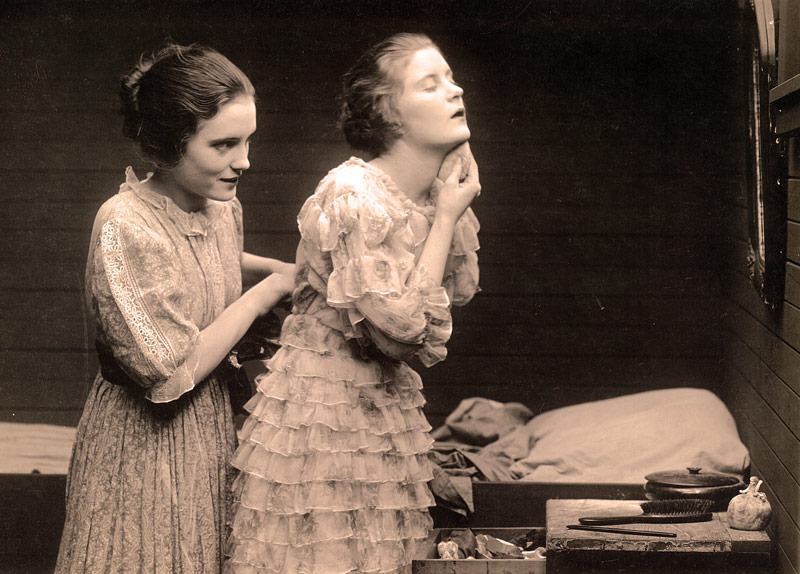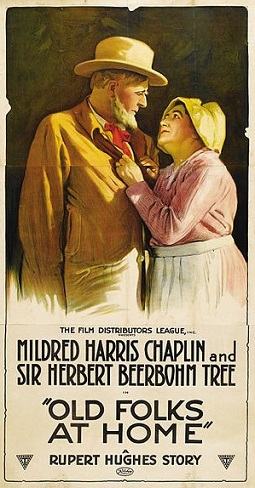
Senator John Coburn's son Steve, who associates more with gamblers, criminals and drug addicts than with his father's congressional cronies, impulsively murders his mistress' new lover. The senator tries to use his influence to have Steve acquitted, but all of the evidence firmly and correctly implicates him, and so the jury prepares to find Steve guilty without much deliberation.
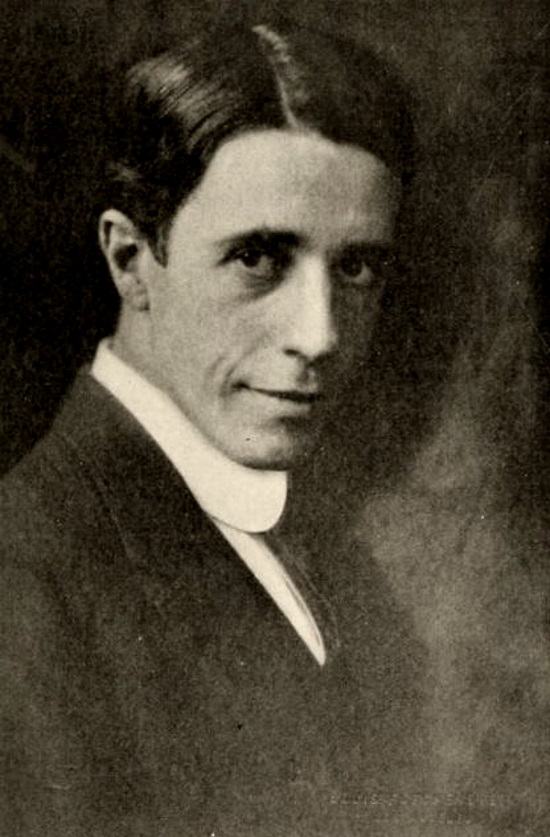
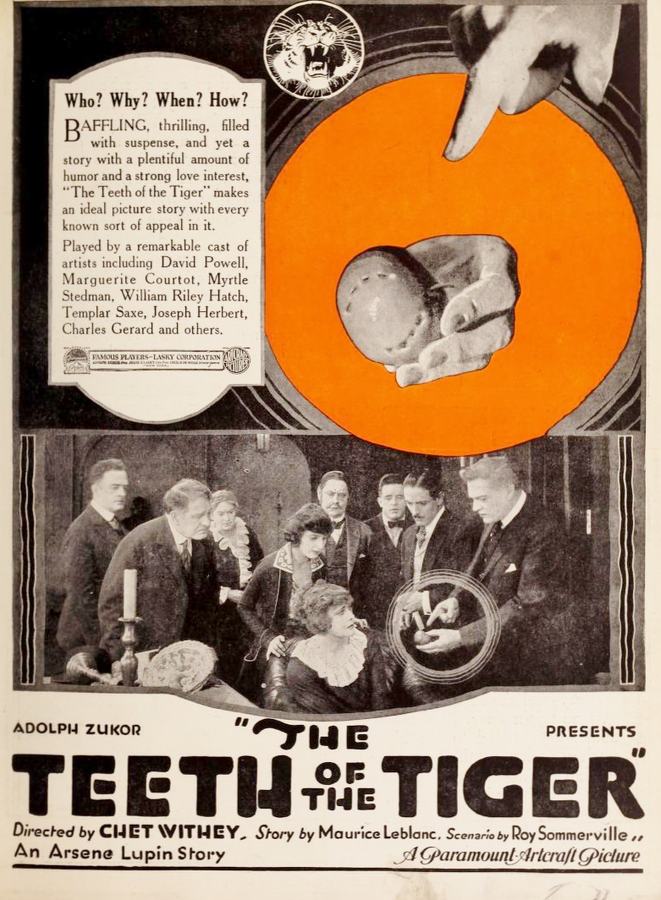
Chester Withey, Rupert Hughes
United States
Picture a nation still nursing the bruises of the Gilded Age, its newspapers drunk on muckraking, its nickelodeons flickering like votive candles for the dispossessed. Into that chiaroscuro strides The Old Folks at Home, a 1916 one-reel powder-keg directed by the prolific Chester Withey and scripted by Rupert Hughes—...
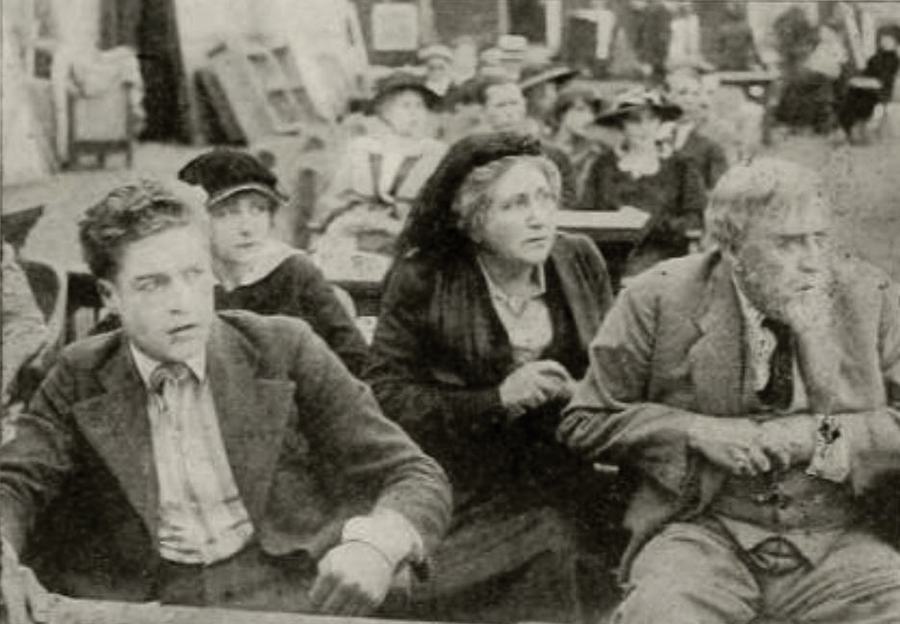
still_frame
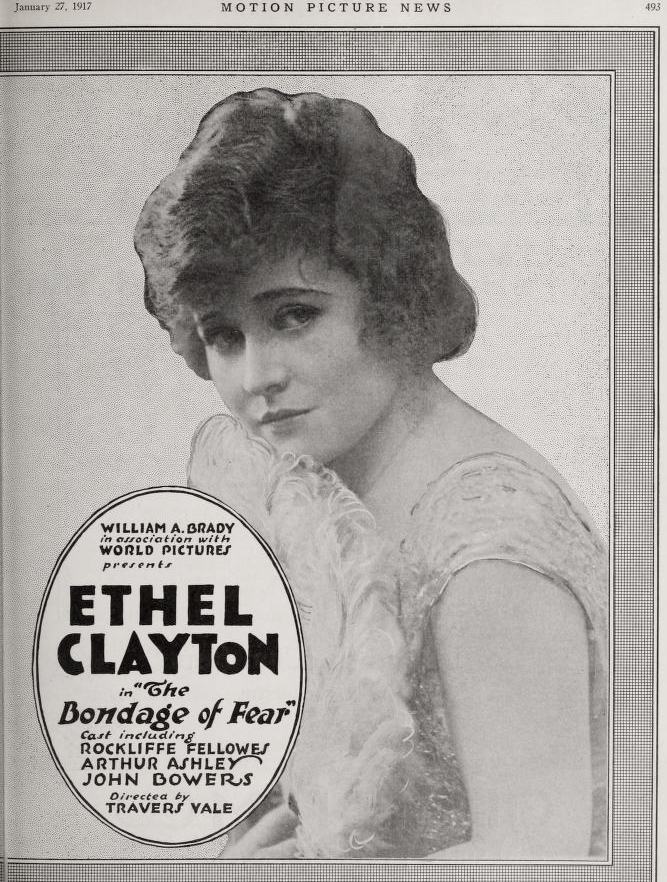
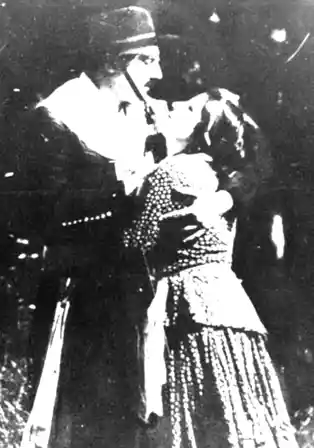
Comparing the cinematic DNA and archive impact of two defining moments in cult history.
Chester Withey
Chester Withey
Community
Log in to comment.
" Picture a nation still nursing the bruises of the Gilded Age, its newspapers drunk on muckraking, its nickelodeons flickering like votive candles for the dispossessed. Into that chiaroscuro strides The Old Folks at Home, a 1916 one-reel powder-keg directed by the prolific Chester Withey and scripted by Rupert Hughes—yes, the same Hughes who would later skewer Hollywood in The Carpet from Bagdad. The film is a seditious little sermon on how dynasty, not democracy, writes the final verdict. Elm..."