
DbcultAccessing Vault...
Director's Spotlight
Senior Film Conservator
Director's Spotlight: United States
A Deep Dive into the 1926 Vision of Christy Cabanne
Witnessing the stylistic transformation of Comedy through Monte Carlo reveals the provocative questions that Christy Cabanne poses to the United States audience. Exploring the nuances of the human condition with Comedy flair, it showcases the power of Comedy as a tool for social commentary.
In Monte Carlo, Christy Cabanne pushes the boundaries of conventional narrative. The film's unique approach to its subject matter has sparked endless debates and interpretations among cinephiles and critics alike.
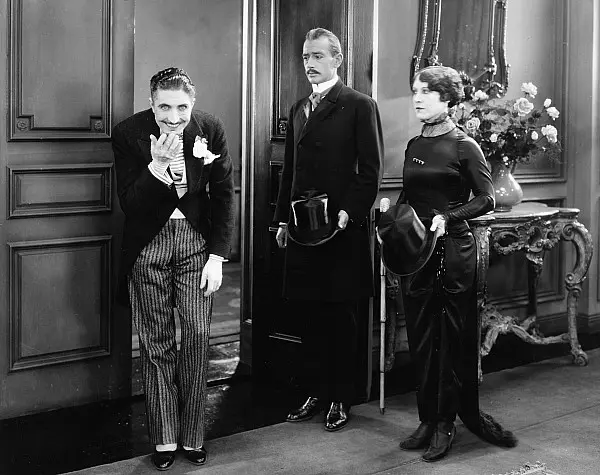
In this work, Christy Cabanne explores the intersection of Comedy and United States cultural identity. The meticulous attention to detail suggests a deep-seated commitment to pushing the boundaries of the medium, ensuring that Monte Carlo remains a relevant topic of study for Comedy enthusiasts.
| Cinematography | Static |
| Soundtrack | Minimalist |
| Editing | Slow-Burn |
| Art Direction | Brutalist |
Visualizing the convergence of Christy Cabanne's style and the core Comedy narrative.
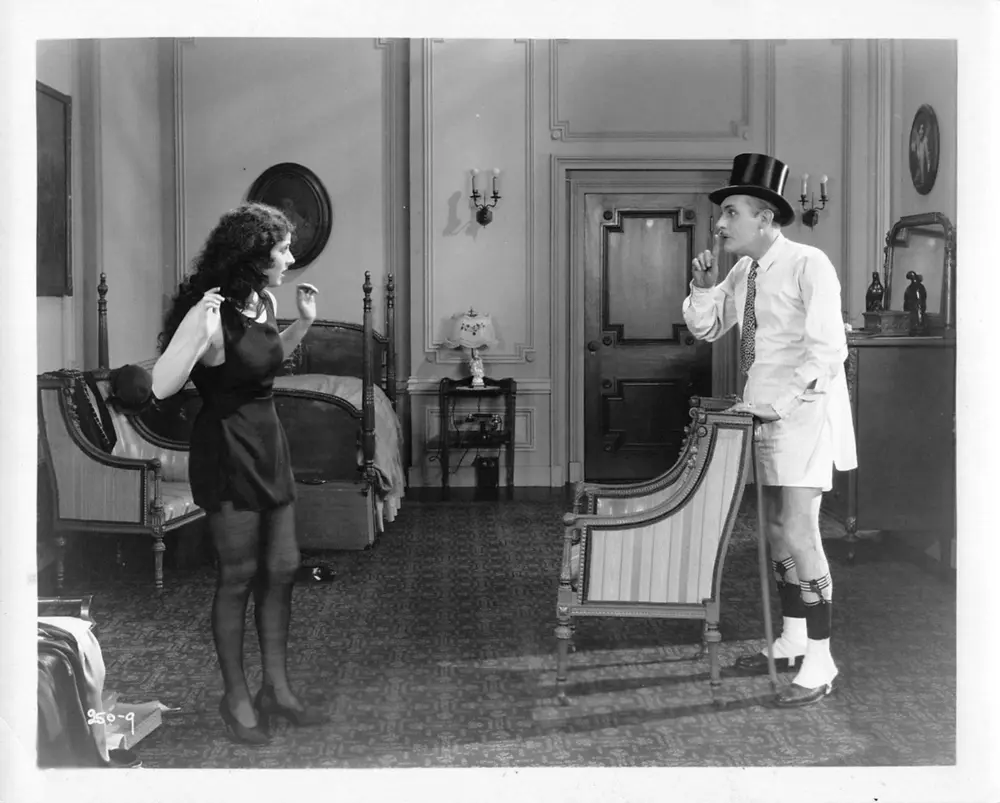
Three girls from a small town win a trip to Monte Carlo. The trip was sponsored by their local newspaper, which sends along its ace reporter Bancroft as their "chaperone". Tony Townsend, an American on the lam from the police in Monte Carlo for skipping out on his hotel bills, registers at the same hotel where the girls are staying, and accidentally runs into one of them, Sally. To impress Sally he "borrows" the uniform of a prince who's staying in the next suite, and soon is mistaken by everyone for him. Unbeknownst to Tony, however, a gang of anarchists from the real prince's country are in town to assassinate him. Complications ensue.
Decades after its release, Monte Carlo remains a vital piece of the cinematic puzzle. Its influence can be seen in countless modern works, solidifying Christy Cabanne's status as a master of the craft in United States and beyond.