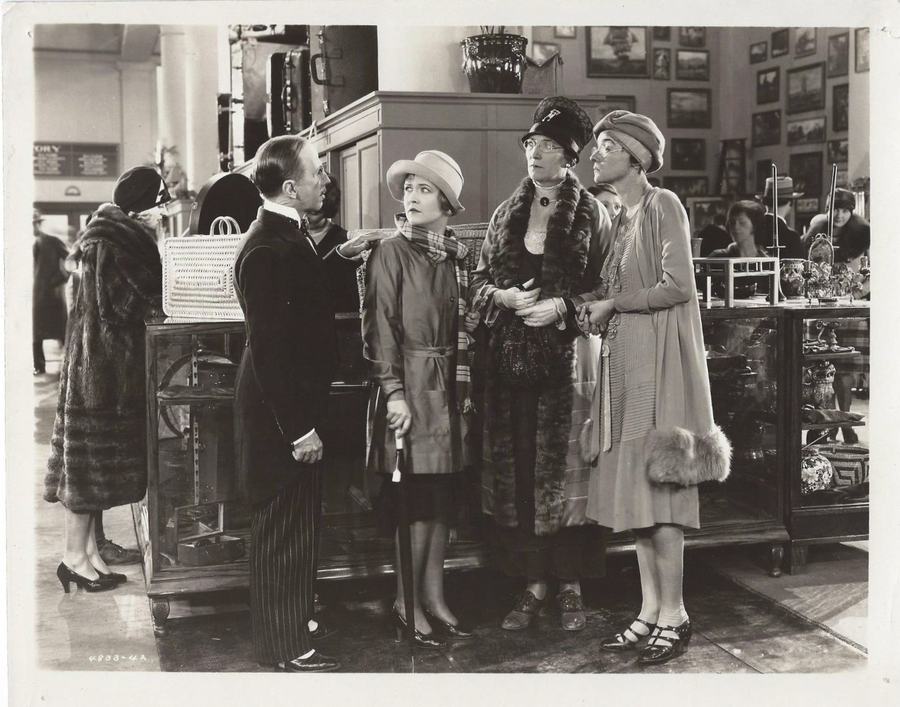
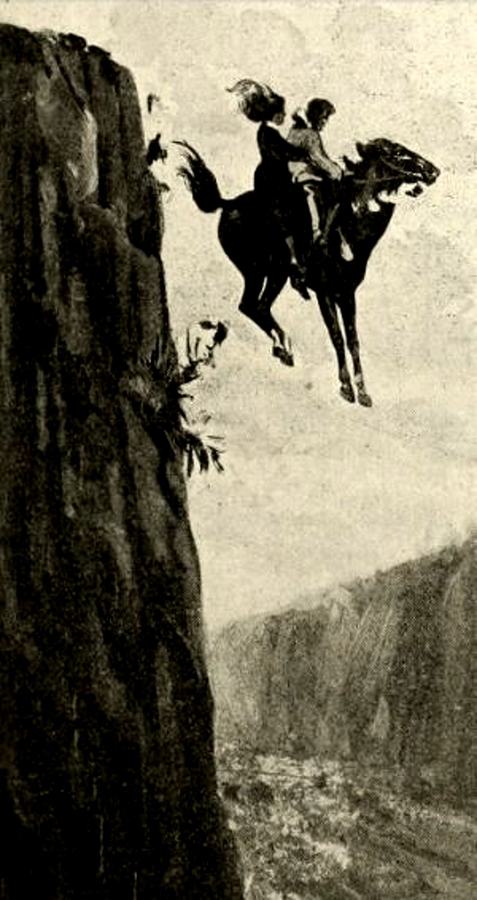
Three girls from a small town win a trip to Monte Carlo. The trip was sponsored by their local newspaper, which sends along its ace reporter Bancroft as their "chaperone".

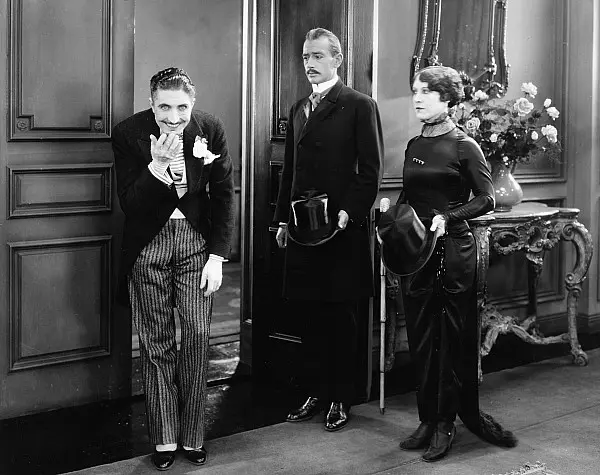
Is Monte Carlo (1926) still a winning ticket for modern cinephiles? Short answer: Yes, but only if you have a genuine appreciation for the frantic, logic-defying slapstick and the visual vocabulary of the mid-twenties silent farce.This film is specifically for fans of vintage MGM production values and the expressive, o...
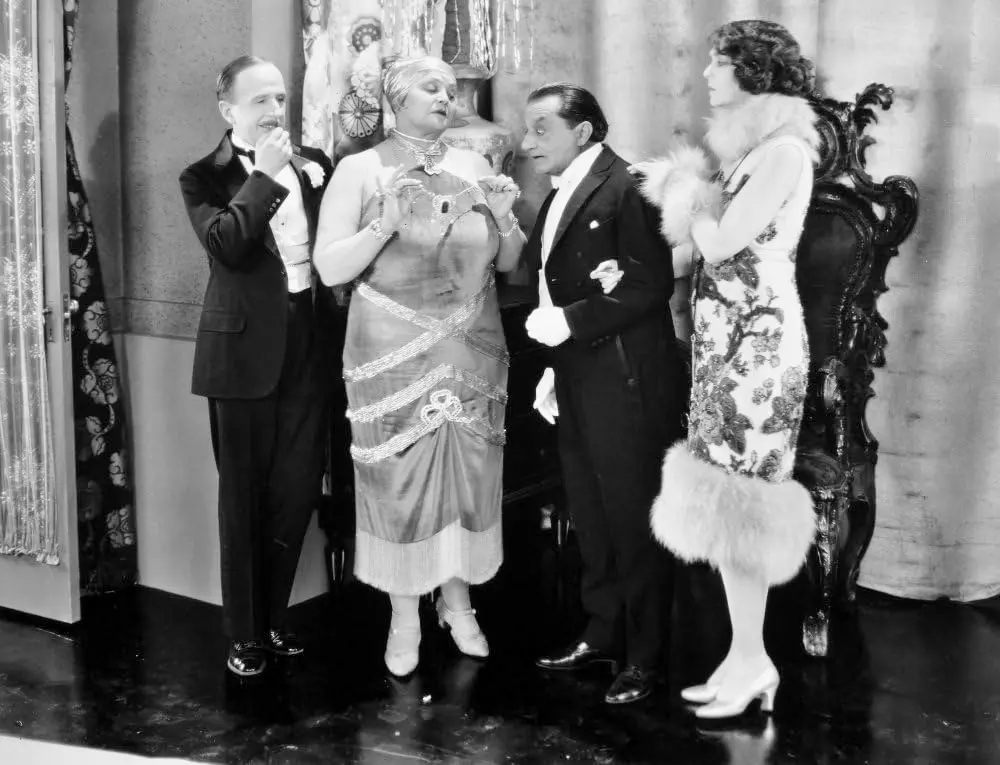
still_frame
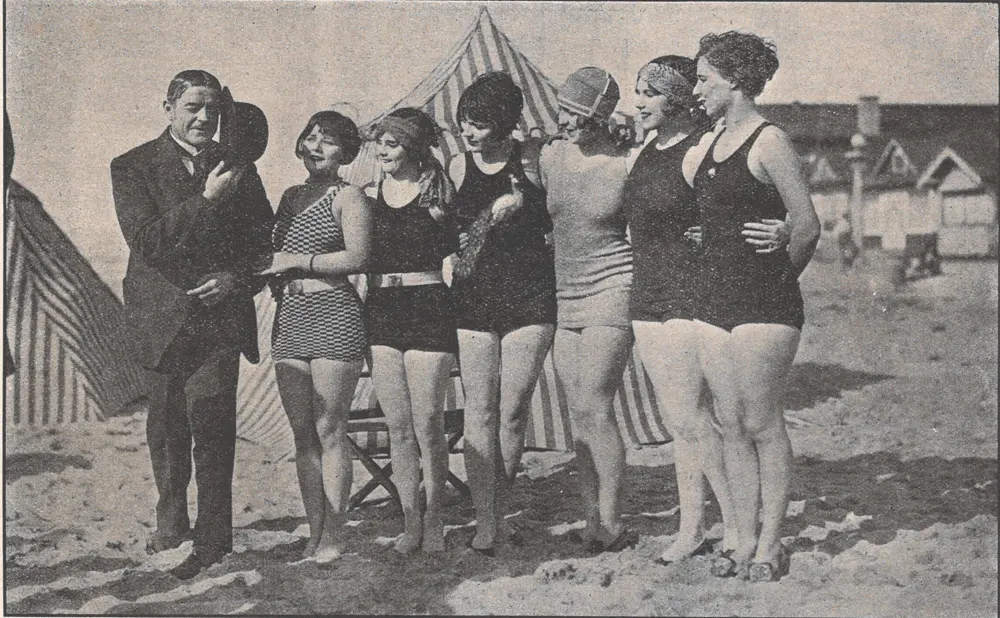
behind_the_scenes
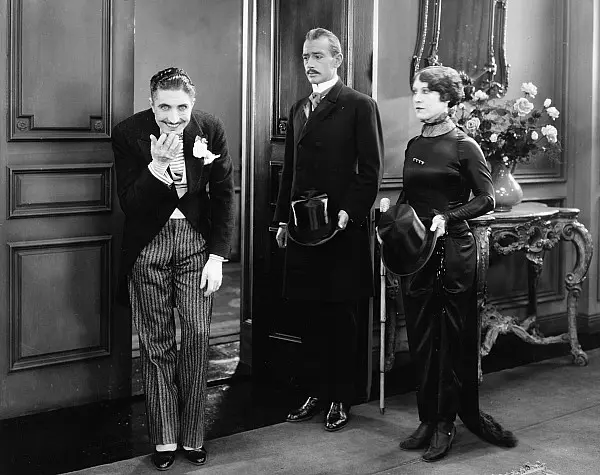
still_frame
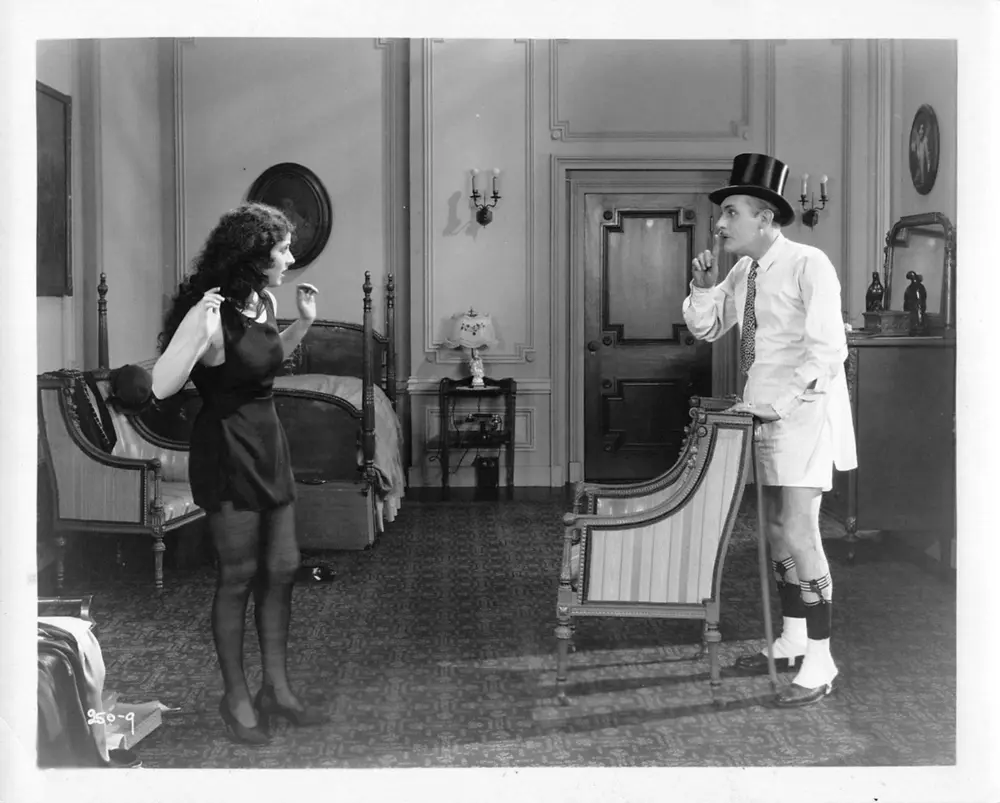
still_frame
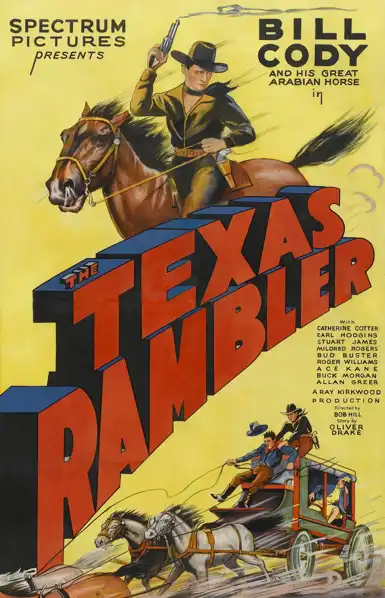
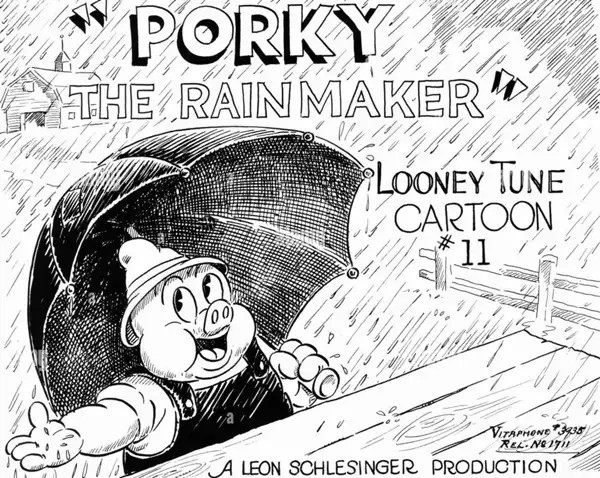
Comparing the cinematic DNA and archive impact of two defining moments in cult history.
Christy Cabanne
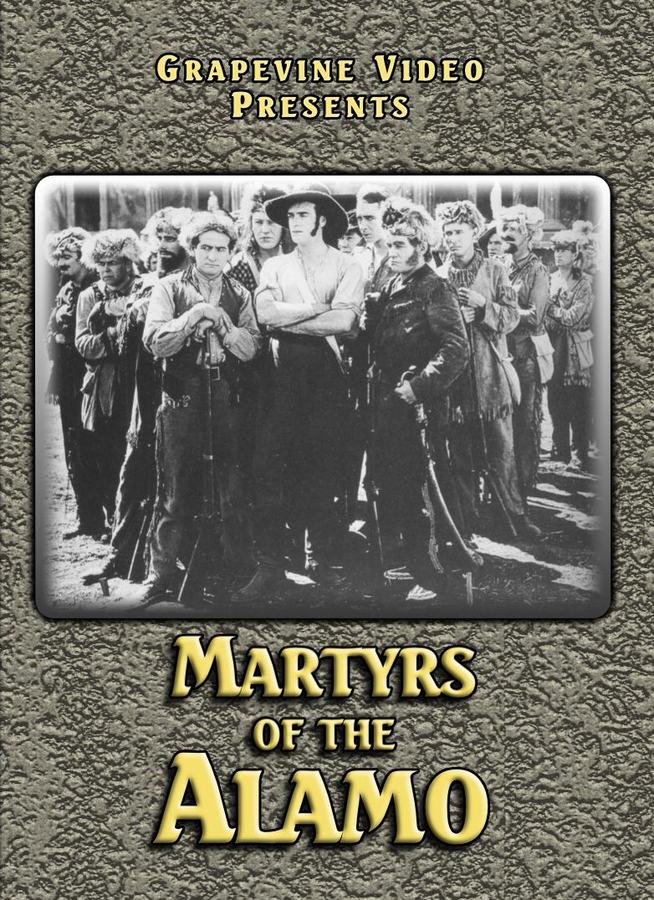
Christy Cabanne
Community
Log in to comment.
"Is Monte Carlo (1926) still a winning ticket for modern cinephiles? Short answer: Yes, but only if you have a genuine appreciation for the frantic, logic-defying slapstick and the visual vocabulary of the mid-twenties silent farce.This film is specifically for fans of vintage MGM production values and the expressive, often eccentric performances of the silent era; it is not for those who demand modern narrative realism or a grounded, sensible plot. It is a product of its time—loud without sound,..."
Alice D.G. Miller, Carey Wilson, Joseph Farnham
United States