
Cult Cinema
The Cinematic Apostate: Tracing the Genetic Rebellion and Subversive Shadows of Early Cinema’s Forgotten Misfit Wave
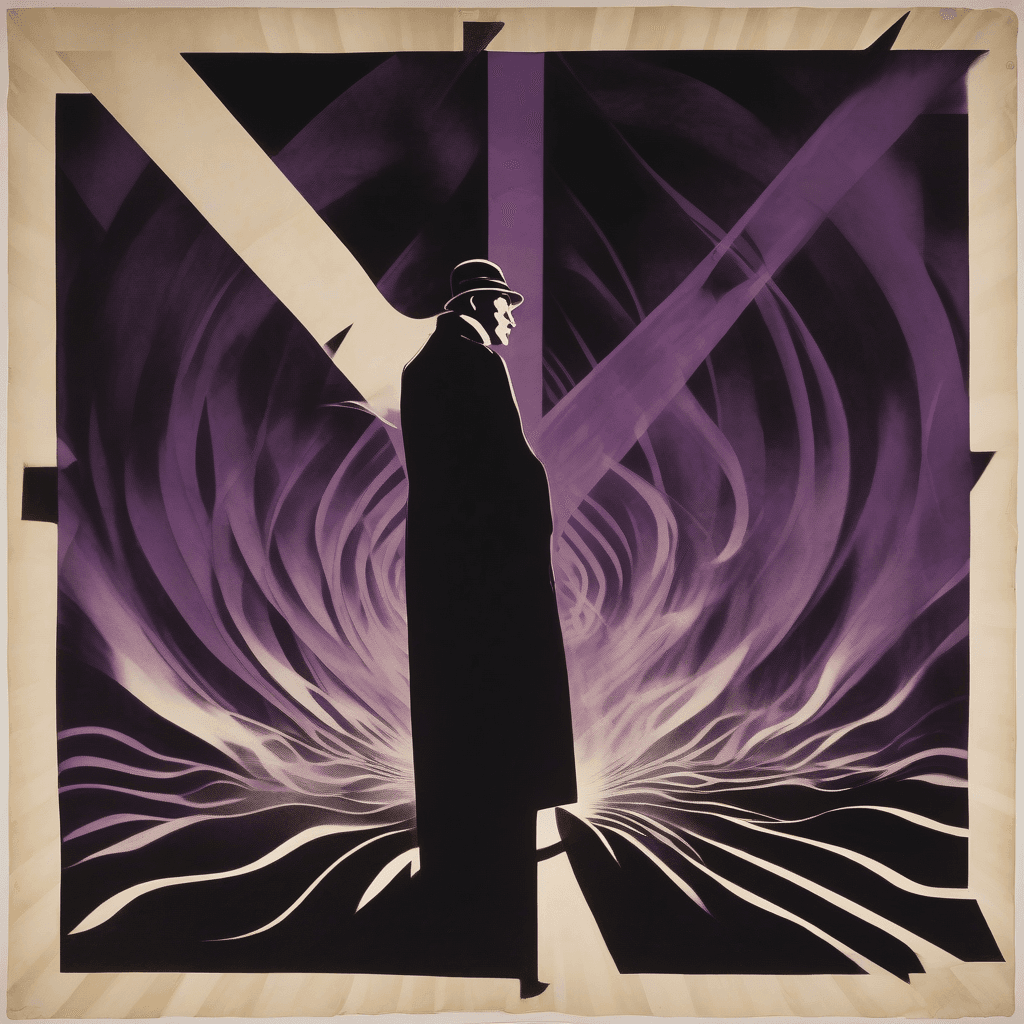
“A deep dive into how the silent era’s moral anomalies, gender-bending narratives, and allegorical weirdness forged the foundational DNA of modern cult cinema obsession.”
The genesis of cult cinema is often erroneously dated to the midnight movie craze of the 1970s, yet the true architect of the transgressive mindset lies much deeper in the flickering nitrate of the early 20th century. Before the term "cult" was ever applied to a celluloid frame, the silent era was already birthing cinematic apostates—films that defied the burgeoning conventions of Hollywood to explore the fringes of human morality, social identity, and visual abstraction. These early outliers, ranging from the gender-bending comedies of the Weimar Republic to the stark allegorical dramas of the American frontier, established a blueprint for rebellion that still dictates the terms of niche obsession today.
The Moral Outlier: Redefining the Heroic Archetype
In the nascent years of the industry, the narrative arc was often expected to follow a rigid moral compass. However, a significant subset of films chose to inhabit the grey spaces, creating the first cult anti-heroes. Consider the thematic weight of The Derelict, a story that subverts the sanctity of the family unit by following a man who fakes his own suicide to escape the perceived shackles of domesticity. This rejection of the "carefree life" in favor of a darker, self-imposed isolation resonates with the modern cult fascination with characters who refuse to integrate into polite society.
Similarly, The Drifter presents a protagonist whose divinity school education is at constant war with a primal passion for gambling. This internal schism—the tension between the sacred and the profane—became a recurring motif in the underground cinema of later decades. By depicting a man who pretends to be a minister while thriving on the racetrack, the film challenged the audience’s expectations of virtue, paving the way for the morally ambiguous protagonists of noir and the transgressive cinema of the 1960s.
The Social Misfit and the Architecture of Alienation
Cult cinema has always been a sanctuary for the alienated, and early films like No Children Wanted provided a scathing look at the coldness of high society. By focusing on a child sent to boarding school because she is an inconvenience to her parents' social climbing, the film tapped into a sense of primal abandonment. This narrative of being "tolerated but not loved" mirrors the experience of the cult fan—the outsider looking in at a mainstream culture that finds them unnecessary or unsightly.
Gender Subversion and the Masquerade
Perhaps the most potent ingredient in the cult cinema cauldron is the deconstruction of identity. Long before radical queer cinema, the silent era was experimenting with gender fluidity as both a comedic device and a social critique. The Perfect Woman offers a fascinating look at the performance of femininity, where Mary Blake must intentionally make herself "unattractive" to navigate a misogynistic workplace. This meta-commentary on the male gaze and the artificiality of beauty standards is a precursor to the camp aesthetics that would later define the works of John Waters or the drag-infused spectacles of the midnight circuit.
In the international sphere, films like Exzellenz Unterrock (Her Excellency in Petticoats) utilized "trouser roles" to challenge the rigid gender binaries of the Weimar Republic. These films were not merely comedies; they were visual insurrections that allowed audiences to imagine a world where identity was a costume to be donned or discarded. The legacy of this subversion is seen in The Marquis and Miss Sally, where a girl masquerading as a cowboy finds a strange, destined romance, proving that the "misfit" identity was often the key to a higher, more authentic truth.
Allegory and the Surrealist Impulse
The most enduring cult films are often those that refuse to be literal. The silent era’s obsession with allegorical storytelling provided a bridge between traditional narrative and the avant-garde. Man and His Soul, which attempts to visualize the birth of Conscience out of the elements, represents a daring leap into abstract metaphysics. By personifying abstract concepts, these films forced the viewer into an active role of interpretation, a hallmark of the cult experience.
Even more radical was The Absentee, which presented man as "Power" standing at a literal crossroads between Success and Failure. This kind of mythic cartography is precisely what draws fans to cult properties; they are not just watching a story, they are navigating a symbolic landscape. The surreal imagery of early cinema—from the madness of Emperor Caligula in La tragica fine di Caligula imperator to the explosive, blinding cigars in Fool's Paradise—created a visual language of the "unreal" that would later be refined by the surrealists and the psychedelic filmmakers of the midnight era.
The Darkness of the Human Condition
Cult cinema thrives on the taboo, and the silent era did not shy away from the darker impulses of the human psyche. Midnight Madness, with its wounded jewel thieves and hotel-room conspiracies, prefigures the gritty, claustrophobic atmosphere of the urban thriller. Meanwhile, Ten Nights in a Bar Room serves as a proto-exploitation film, using the visceral decay of Joe Morgan’s life to shock the audience into a state of moral awareness. These films understood that transgression is a powerful tool for engagement; by showing the audience what they are forbidden to see, the filmmaker creates an indelible bond with the viewer.
Slapstick as Anarchy: The Chaos of the Short Film
We cannot discuss the roots of cult obsession without acknowledging the pure, unadulterated anarchy of the early comedy shorts. Films like The Greenhorn and Rush Orders treat the physical world as a playground for chaos. In The Greenhorn, the immigrant experience is distilled into a series of "flying exits" and high-velocity returns, turning the struggle for integration into a ballet of absurdity. This rejection of physics and social order is the spiritual ancestor of the "trash" cinema and gross-out comedies that populate the cult canon.
When we watch Snub in Rush Orders attempting to scam a meal at Marie’s cafe, we are witnessing the birth of the "charming loser," a character type that has dominated niche cinema for decades. These shorts were the first to prove that low-budget ingenuity and a commitment to the absurd could create a more lasting impression than the most expensive studio dramas.
The Legacy of the Forgotten Fringe
The 50 films referenced here—from the mystery of The Fatal Ring to the tragic melodrama of I figli di nessuno—represent a lost continent of cinematic exploration. They were the original "midnight movies," often relegated to the edges of the industry because they were too strange, too bold, or too defiant for the mainstream. Yet, it is within these nitrate relics that we find the true genetic code of the cult mindset.
The modern cult fan is a treasure hunter, looking for the "unseen reel" that will redefine their understanding of the medium. By looking back at the silent underground, we see that the impulse to subvert, to masquerade, and to explore the shadows has always been part of the cinematic soul. Whether it is the twin brothers caught in the gears of war in The Winged Mystery or the falsely imprisoned inventor in Jes' Call Me Jim, these narratives celebrate the resilience of the individual against a corrupt or indifferent system.
Conclusion: The Perpetual Midnight
Cult cinema is not a genre; it is a relationship between a film and an audience that refuses to let it die. This relationship began in the 1910s, in the smoky nickelodeons and the grand, experimental houses of Europe. The cinematic apostates of the silent era taught us that the screen is a place for more than just polite entertainment—it is a space for rebellion, for the exploration of the taboo, and for the celebration of the misfit.
As we continue to deconstruct the history of film, we must recognize that the "weirdness" we crave in modern cinema was already there, flickering in the darkness of 1915. The genetic rebellion of the silent era remains the most powerful force in the underground, a perpetual midnight that continues to inspire, to transfix, and to subvert the very foundations of the moving image.
Community
Comments
Log in to comment.
Loading comments…