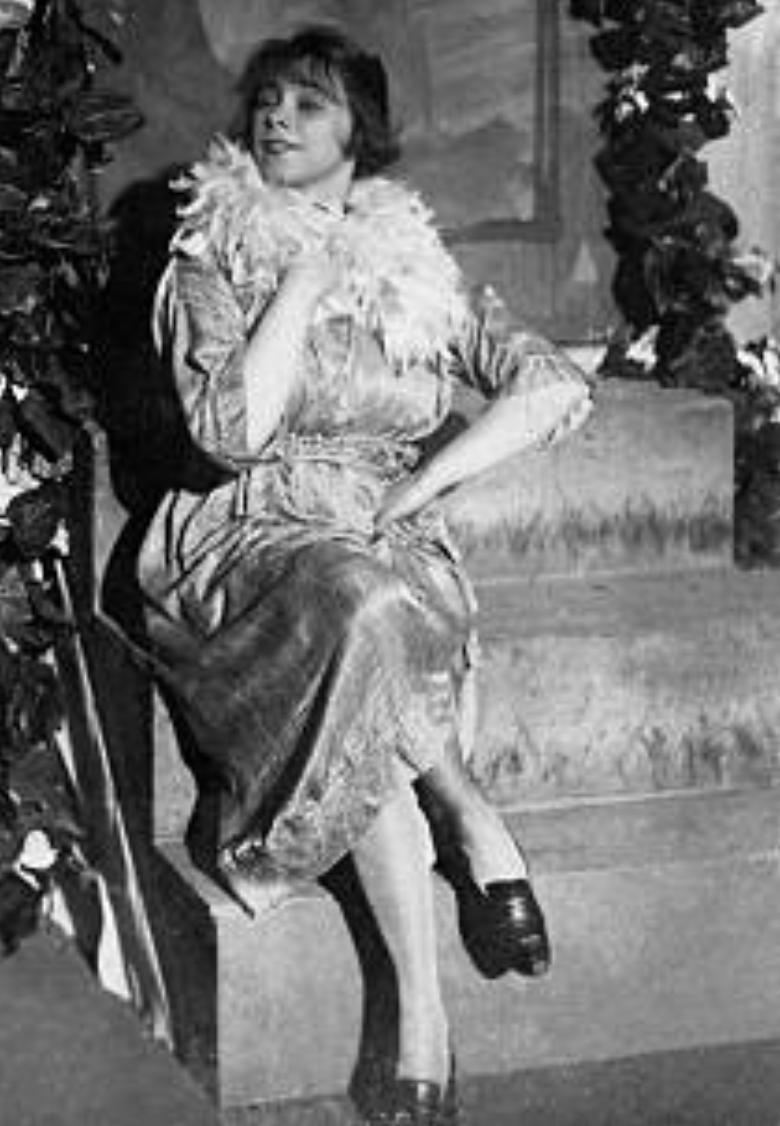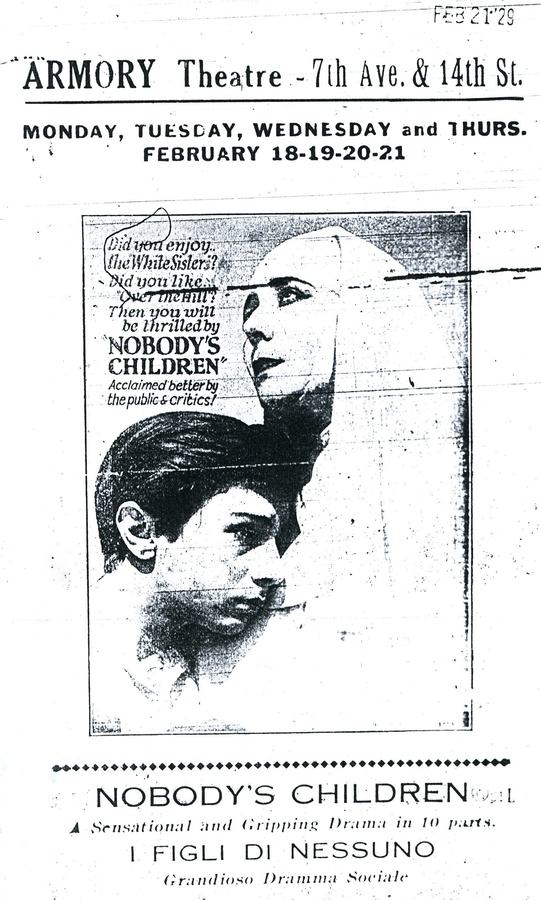
Three part melodrama later reworked in the 50s by Matarazzo: A count has an illegitimate child with a woman who his elderly mother tries to separate him from, and who later retreats into a convent..
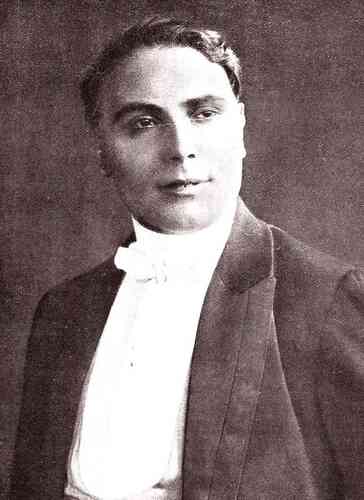
Matarazzo’s camera glides through crumbling porticoes as if caressing an open wound; every close-up feels like a confession extracted under flickering candlelight. Forget the postcard Italy of sun-drenched orchards—here the Peninsula is a rain-lashed purgatory where marble staircases sweat and even the church bells ...
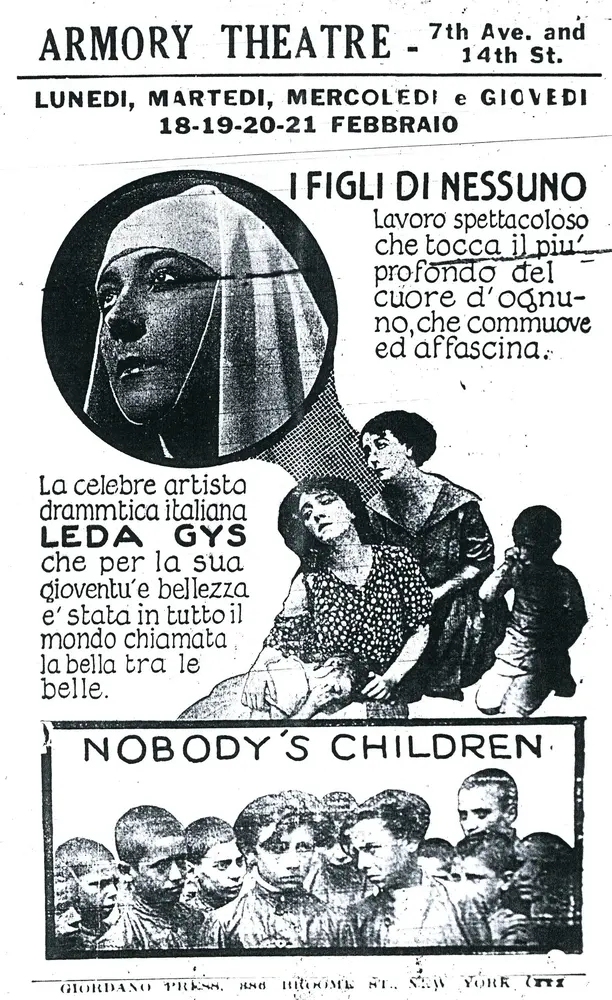
publicity


Comparing the cinematic DNA and archive impact of two defining moments in cult history.
Ubaldo Maria Del Colle
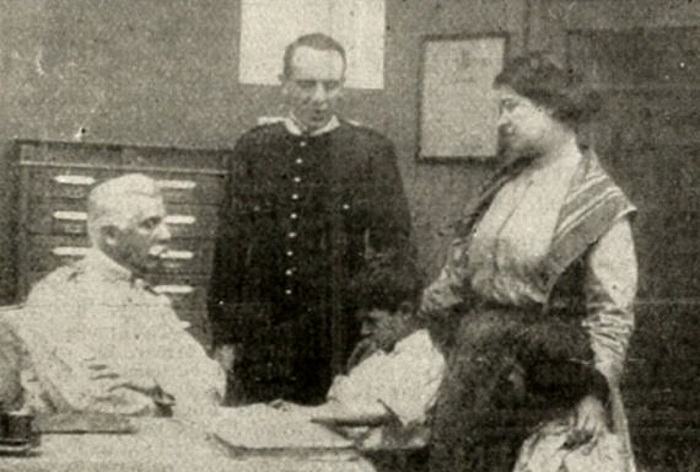
Ubaldo Maria Del Colle
Community
Log in to comment.
" Matarazzo’s camera glides through crumbling porticoes as if caressing an open wound; every close-up feels like a confession extracted under flickering candlelight. Forget the postcard Italy of sun-drenched orchards—here the Peninsula is a rain-lashed purgatory where marble staircases sweat and even the church bells clang with recrimination. The film’s three-part structure, originally serialized for rapt 1921 audiences, anticipates the binge-drop model by a century: each reel ends on a gasp-in..."
Ruggero Rindi, Ubaldo Maria Del Colle
Italy
Deep dive into the cult classic
Discover similar cinematic experiences
A Directorial Spotlight on Ubaldo Maria Del Colle