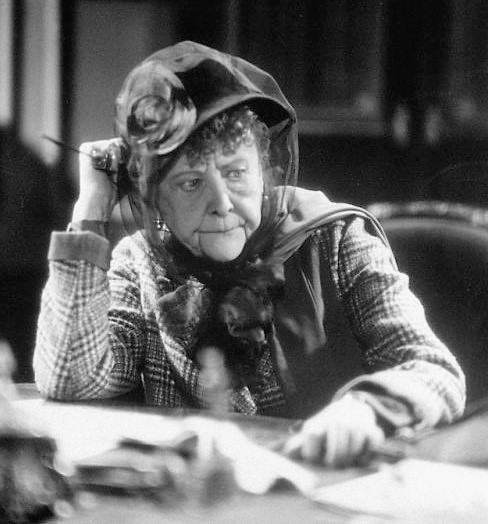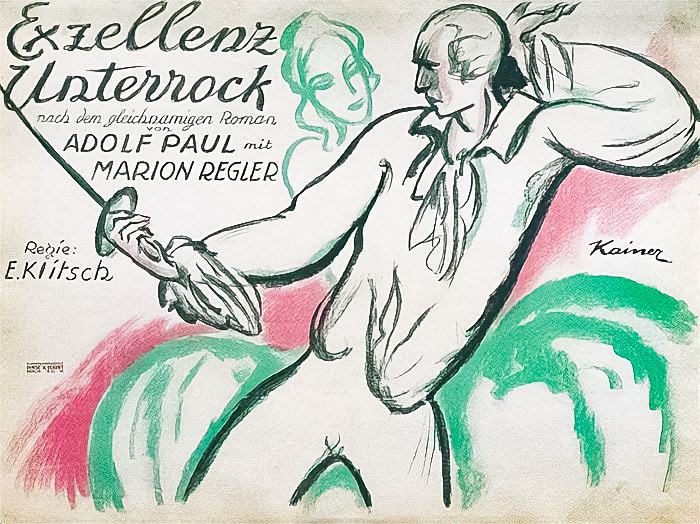
"Her Excellency in Petticoats" - It was one of a number of films produced in the Weimar Republic featuring women in "trouser roles"..
Exzellenz Unterrock is a cinematic artifact that defies temporal boundaries, its Weimar-era origins pulsating with a relevance that transcends the dust of history. Directed with surgical precision by Guido Herzfeld, this 1929 film is not merely a relic of the German silent cinema boom but a provocative interrogation of...
Community
Log in to comment.
"Exzellenz Unterrock is a cinematic artifact that defies temporal boundaries, its Weimar-era origins pulsating with a relevance that transcends the dust of history. Directed with surgical precision by Guido Herzfeld, this 1929 film is not merely a relic of the German silent cinema boom but a provocative interrogation of gender, authority, and the performative nature of power. With its lead actress, Marion Regler, embodying a magistrate in a skirt yet wielding the jurisdiction of a man’s world, th..."
Marion Regler
Adolf Paul
Germany
Deep dive into the cult classic
Discover similar cinematic experiences
A Directorial Spotlight on Edgar Klitzsch