
Cult Cinema
The Cinnabar Cipher: Unearthing the Primal Transgressions and Visual Anarchy of Cinema’s First Century of Misfits
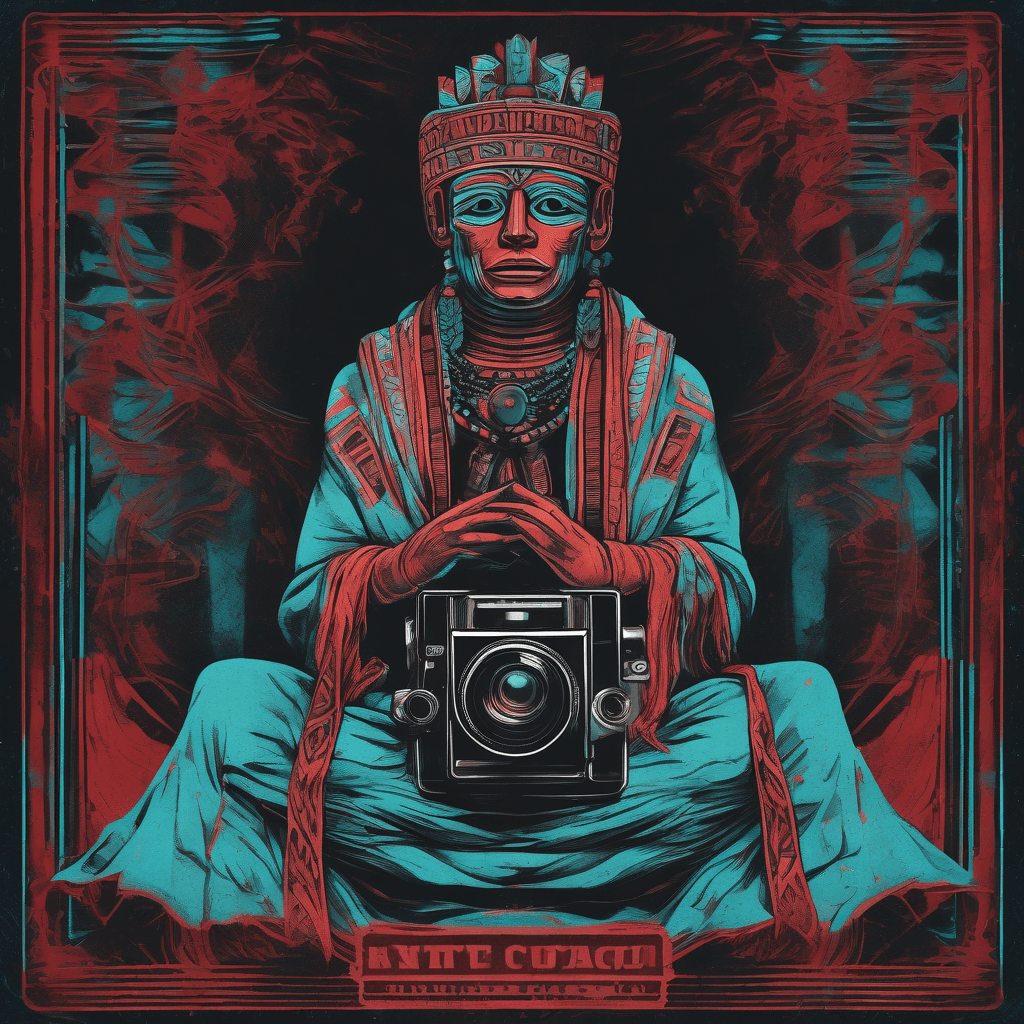
“A deep-dive editorial into how the forgotten rebels and moral outliers of the 1910s and 1920s engineered the genetic code of modern cult cinema.”
The concept of the cult film is often colloquially tethered to the neon-drenched midnight screenings of the 1970s or the VHS-fueled obsession of the 1980s. However, to understand the true genetic makeup of cinematic rebellion, one must look further back into the nitrate haze of the early twentieth century. Long before the term 'cult' was a marketing category, it was a visceral reaction to the unconventional, the transgressive, and the bizarre. The silent era and the early transition to sound provided a fertile soil for narratives that refused to fit the mold of mainstream morality or linear storytelling. These were the films that lived in the shadows of the industry—the 'misfit' reels that challenged social norms and experimented with visual language long before the industry became a monolith of standardized tropes.
The Architecture of the Moral Outlier
At the heart of any cult obsession lies the moral outlier. In the late 1910s, films like The Miracle Man (1919) began to explore the fascinating gray areas of human character. By focusing on a gang of con artists—including a man who can dislocate his limbs (The Frog) and a drug addict (The Dope)—the film prefigured the 'found family' of outcasts that would later define the works of directors like Tod Browning or John Waters. These characters weren't the polished heroes of Victorian stage plays; they were gritty, desperate, and fundamentally flawed. The audience's devotion to such 'deviant' figures marks the beginning of the cult gaze, where the viewer finds kinship in the marginalized.
Similarly, The Guardian offered a subversion of the authority figure, presenting a bank president with a secret past as a thief. This duality—the respectable facade masking a criminal soul—became a recurring motif in the early fringe. These narratives suggested that the world was far more complex than the binary of good versus evil. In Public Defender, we see the systems of power themselves become the villains, as a bank president attempts to frame an innocent clerk to hide his own embezzlement. This cynicism toward institutional power is a hallmark of cult cinema, resonating through the decades into the paranoid thrillers of the 70s and the cyberpunk rebellions of the 90s.
The Sacred and the Profane: Early Genre Mutations
Cult cinema thrives on the intersection of the sacred and the profane. Consider the 1920 film The Eternal Mother, which introduces audiences to a cult centered around the East Indian goddess Gaia. The personification of Nature as a powerful, potentially dangerous entity tapped into a primal weirdness that mainstream melodrama often avoided. This flirtation with the 'Other'—the exoticized and the occult—is a foundational pillar of the midnight movie mindset. It is the same impulse that would later drive audiences to the folk horror of The Wicker Man or the psychedelic rituals of Mandy.
Visual spectacle in the early century often took on a transgressive quality when it leaned into the grotesque or the hyper-stylized. Salambo (1914), billed as a '$100,000 Spectacle,' utilized the 'Sacred Veil' as a MacGuffin of forbidden sight. The idea of an object that 'human eyes must not gaze upon' is a perfect metaphor for the allure of cult cinema itself: the desire to see the unseen, the forbidden, and the hidden. This theme of the forbidden frequency is echoed in The Hidden Light, where a scream from a beautiful house leads to a labyrinthine mystery of wounded men and unknown assailants, proving that the early fringe was obsessed with the rot hiding behind the polished doors of high society.
Absurdity as a Form of Resistance
If there is one element that defines the 'cult' experience, it is a willingness to embrace the absurd. The short films of the 1920s, often overlooked by serious historians, were the testing grounds for the surreal. His Jonah Day (1920) is a masterclass in early cinematic weirdness, featuring a protagonist swallowed by a whale, fighting an octopus, and tangling with a palm tree. This level of cartoonish, physics-defying anarchy provided a blueprint for the visual gags of the Three Stooges and the later surrealist movements. It was a rejection of reality in favor of a kinetic, fever-dream logic.
The animation of the era was equally experimental. The Four Musicians of Bremen (1922), an early effort from the Disney-Iwerks stable, showcased a world where animals seek fame through music, only to find trouble at every turn. This brand of 'dark whimsy'—where the cute is constantly threatened by the cruel—is a tonal tightrope that modern cult directors like Tim Burton or Terry Gilliam would eventually walk. Even the 'burlesque' on filmmaking found in Frenzied Film suggests a self-aware, meta-textual irony that is often considered a modern invention. By mocking the very process of making an Alaskan adventure picture, the creators of Frenzied Film were engaging in the kind of genre-deconstruction that would define the 'cult of the meta' in the 21st century.
The Transgressive Feminine and the Social Scars
Early cinema often grappled with the 'fallen woman' trope, but in the hands of the fringe, these stories became something more subversive. Burnt Wings (1920) presented a harrowing look at poverty in Paris, where a woman is forced into prostitution to save her husband from starvation. While contemporary audiences might have seen this as a morality tale, the grit and unflinching look at urban decay gave it a 'cult' edge—a precursor to the social realism and exploitation cinema of later years. It stripped away the romanticism of the 'struggling artist' to reveal the bone-deep desperation underneath.
Conversely, Trifling Women (1922) used the character of Zareda, a Parisian adventuress, to explore the power of female agency through the lens of manipulation and desire. These weren't 'innocent' heroines like the characters played by Mary Pickford in Rags (though even Pickford’s character in that film, a wild girl defending an alcoholic father, had a ruggedness that defied standard Victorian femininity). Instead, films like The Checkmate and The Unwelcome Wife explored the 'fast set' of city life, where women navigated infidelity, high-stakes gambling, and social ruin with a complexity that the censors would eventually try to erase. In A Woman of Pleasure, the protagonist witnesses a murder and is offered marriage as a way to silence her testimony—a dark, cynical premise that feels more at home in a 1940s noir or a 1970s thriller than a 1919 drama.
Genre Anarchy: From Westerns to Urban Nightmares
The fluidity of genre in the 1910s is something modern cult fans would recognize instantly. Square Deal Sanderson and Breaking Through might appear to be standard Westerns or adventure tales, but they are permeated with a sense of lawlessness and frontier justice that borders on the nihilistic. These films often centered on the lone wolf—the 'Square Deal' who must operate outside the law to correct the failures of the law. This archetype of the 'outlaw hero' is the bedrock of the cult action genre, from Mad Max to John Wick.
In the urban landscape, films like Borgkælderens mysterium (The Mystery of the Castle Cellar) blended crime fiction with gothic atmosphere. The idea of a criminal gang hunting for treasure in a hidden cellar is a classic 'pulp' setup that invites the audience into a world of secret passages and hidden identities. This 'pulp' sensibility is what fuels the obsession with niche cinema; it is the thrill of the hunt, the discovery of the 'hidden treasure' within the celluloid itself. Even comedies like The Outside Woman, involving an Aztec idol exchanged for a silk shawl, touch upon the 'cursed object' trope that would become a staple of cult horror and adventure films.
The Legacy of the Forgotten Fringe
Why do these films, many of which were lost to time or preserved only in fragmented form, still command a sense of reverence? It is because they represent the unfiltered id of the medium. Before the industry was fully verticalized, there was a brief window where anyone with a camera and a dream (or a nightmare) could put their vision on screen. Young Sherlocks gave us a glimpse of a 'Freetown' utopia, while Eretz Yisrael Hameshukhreret captured the shifting geopolitical tides of a world in flux. These were not just movies; they were dispatches from a world that was still figuring out what cinema could be.
The 'midnight mindset' is not about the time of day a film is shown; it is about the state of mind of the viewer. It is the willingness to seek out the 'Jonah Day' in a sea of predictable blockbusters. It is the desire to find the 'Hidden Light' in the darkness of a forgotten archive. As we look back at the cinematic rebels of the first century—the 'Energetic Evas' and the 'Soldiers of Fortune'—we see the blueprints for every subversive, transgressive, and cult masterpiece that followed. They are the Cinnabar Cipher, a secret code of rebellion written in light and shadow, waiting to be decoded by the next generation of cinematic misfits.
In conclusion, the enduring power of cult cinema lies in its ability to transform the obscure into the essential. Whether it is the 'dislocated limbs' of The Miracle Man or the 'Aztec idols' of The Outside Woman, these films remind us that the most interesting stories are often found on the fringes of the frame. They challenge us to look closer, to question the narrative, and to find beauty in the 'burnt wings' of the world. As long as there are filmmakers willing to defy the 'Piper' and audiences willing to follow them into the 'Haunted Manor' of the imagination, the soul of cult cinema will continue to flicker, immortal and unyielding, in the midnight of our collective psyche.
Community
Comments
Log in to comment.
Loading comments…