
Cult Cinema Deep Dive
The Alchemical Rebel’s Compass: Navigating the Transgressive Shadows of Early Cinema’s Most Eccentric Misfits
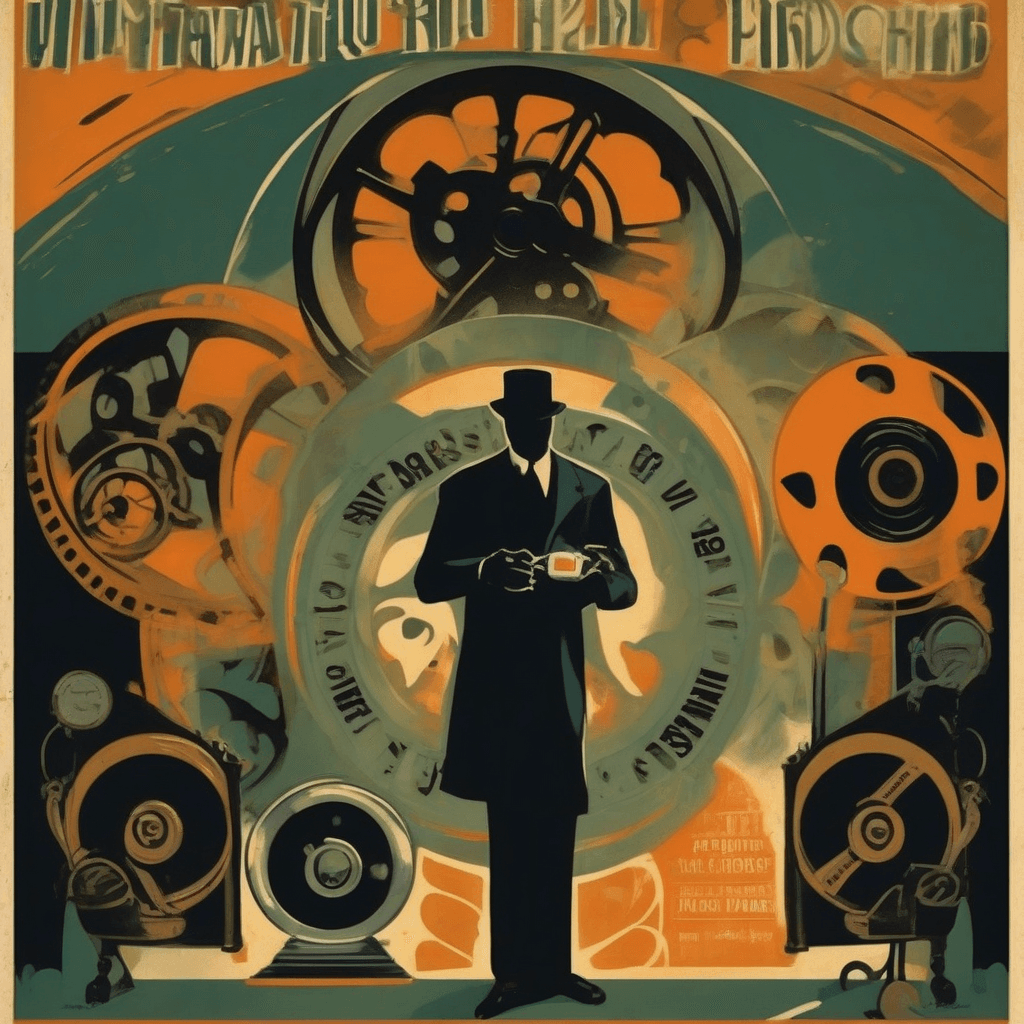
“An exploration of how the silent era's most daring films, from social critiques to surrealist experiments, established the transgressive DNA of modern cult cinema.”
The definition of cult cinema is frequently anchored in the midnight movie phenomenon of the 1970s, a time when the counterculture found its home in the flickering light of late-night screenings. However, the true genesis of the cinematic fringe lies much deeper in the past, buried in the nitrate soil of the 1910s and 1920s. To understand the modern obsession with the weird, the transgressive, and the socially defiant, one must look back to the early century’s outliers. These were the films that dared to look into the shadows when the rest of the industry was chasing the light. From the radical social critiques of Oscar Micheaux to the surrealist nightmares of the European avant-garde, the silent era was a breeding ground for the alchemical rebel.
The Radical Blueprint: Social Defiance as Cult Genesis
Perhaps no film from this era embodies the spirit of cult defiance more than Within Our Gates (1920). Directed by the pioneering Oscar Micheaux, this film was a direct, visceral response to the racism of its time. While mainstream cinema was often content with caricature, Micheaux presented a narrative of an educated Black woman with a "shocking past" who dedicates herself to saving a bankrupt school for impoverished youths. It is a work of profound social rebellion, a film that was censored and feared because it spoke truths that the status quo wanted suppressed. This is the bedrock of cult cinema: the refusal to stay within the lines of polite society. Micheaux’s work didn’t just entertain; it challenged the very architecture of the viewer's reality, much like the transgressive masterpieces that would follow decades later.
The Underworld and the Outcast
In the same vein of social observation, we find films like Le sept de trèfle. This narrative, centered on a sculptor and card player who takes in a ward from the Café des Artistes, introduces us to characters like Mother Ultrogoth and Romeo—figures that feel like ancestors to the eccentric misfits of modern indie cinema. The film’s exploration of high-stakes gambling and the selling of a ward into a life of servitude touches on the darker, more exploitative corners of the human experience. It is this willingness to dive into the underworld that defines the fringe aesthetic. These films were not interested in the sanitized versions of life; they sought the grit, the grime, and the moral ambiguity of the streets.
Psychological Fractures and Surrealist Seeds
If cult cinema is a mirror for the fractured psyche, then Old Brandis' Eyes is one of its earliest reflections. The premise—a young artist given the gift of seeing into the hearts of others—is pure psychological horror in its implications. The realization that people are not what they appear to be is a theme that resonates through the history of the midnight movie, from the identity-shifting narratives of David Lynch to the body horror of David Cronenberg. By stripping away the mask of social propriety, Old Brandis' Eyes forced its audience to confront the inherent weirdness of the human soul.
The Futurist Nightmare
Further pushing the boundaries of the bizarre was Prométhée... banquier. An update of Greek tragedy that features a modern banker chained to his desk as punishment for stealing gold, this short film is a masterclass in futurist symbolism. It represents a total break from the linear storytelling of the time, opting instead for a visual language that is both abstract and biting in its social commentary. This is the kind of "genre mutation" that cult audiences crave—a film that takes a familiar myth and twists it into something unrecognizable and haunting. It paved the way for the experimental fringe, where the image is more important than the plot, and the atmosphere is more vital than the resolution.
The Taboo and the Terrifying: Early Exploitation Roots
Long before the term "exploitation film" was coined, the silent era was already experimenting with taboo subjects. Das Laster (1917) and The Silent Battle (1916) both tackled the harrowing reality of alcoholism. In Das Laster, the idea of addiction as a "terrible family tradition" is explored with a grim intensity that must have been shocking to contemporary audiences. Similarly, The Silent Battle follows a lawyer who retreats into the woods to rehabilitate himself, only to find himself lost both literally and figuratively. These films were the precursors to the "social problem" films that would later dominate the grindhouse circuit, using human suffering and vice as a means to both moralize and fascinate.
The Vengeful Princess and the Masked Thief
The cult of personality also found its roots here. Francesca Bertini’s performance in Fedora (1916) as a Russian Princess seeking vengeance for her murdered lover is a masterclass in melodramatic intensity. Fedora’s vow of vengeance, which ultimately makes her a victim of her own obsession, is the kind of high-stakes, emotional extremity that fuels cult devotion. On the other side of the law, we have The False Faces (1919), featuring the professional thief known as The Lone Wolf. As he steals secrets from behind German lines during WWI, we see the birth of the cinematic anti-hero. Cult audiences have always gravitated toward the rogue, the character who operates outside the law but follows a code of their own making.
Genre Anarchy: From Westerns to Weird Comedy
The fluidity of genre in the early century is a major contributor to the modern cult mindset. Consider Six-Shooter Andy or Broadway Buckaroo—films that blended the ruggedness of the Western with the drama of the big city. This genre-bending is evident in Tiger True (1921), where a wealthy man’s son seeks adventure in the underworld districts, moving from the jungle to the saloon. This sense of narrative wanderlust is a hallmark of cult cinema, where the setting can shift as rapidly as the tone.
The Absurd and the Animated
Even the comedic shorts of the era contributed to the fringe aesthetic. Beauty and the Beast (1913), a short where a theatre patron unravels a girl's woolen vest, is a piece of pure, nonsensical absurdity. Then there is The Awful Spook, an animation featuring Krazy Kat delivering a bowling ball to Kolin Kelly. These moments of surreal humor and visual playfulness provided the DNA for the later "weird for weird's sake" movement. They showed that cinema didn't always have to make sense; it just had to be memorable. The image of a dog asking a cat to deliver a bowling ball is the kind of kinetic madness that would later define the works of cult animators and surrealist filmmakers alike.
The Architecture of Obsession: Why These Films Matter
Why do we still look back at films like The Ordeal of Elizabeth or The Mysterious Miss Terry? It is because they represent a time when the rules of cinema were still being written, and the fringe was where the most interesting writing was happening. In The Mysterious Miss Terry, a girl robs a society home and then uses the money to pay her boardinghouse bill, all while being pursued by three bachelors. It is a story of survival, deception, and moral flexibility. These are the themes that continue to draw audiences to the midnight screen. We are attracted to the cinematic misfit because they reflect our own complexities and our own desires to break free from the mundane.
The legacy of the silent fringe is not just one of historical curiosity; it is a living, breathing influence on every cult film made today. When we watch a modern director play with genre mutations or transgressive social themes, they are standing on the shoulders of giants like Micheaux and the anonymous creators of the early century's most bizarre shorts. The nitrate renegades of the 1910s and 20s were the first to understand that cinema’s greatest power lies in its ability to show us the things we aren't supposed to see. They were the original architects of the midnight mindset, and their shadows still loom large over every cult classic that dares to defy the light.
Conclusion: The Eternal Flicker of the Fringe
In the end, cult cinema is about the bond between the viewer and the unconventional. Whether it is the shipwrecked drama of Zohra, the family secrets of The Family Honor, or the espionage thrills of The Bondage of Fear, these films offer a sanctuary for the strange. They remind us that the most enduring stories are often the ones that were nearly forgotten, the ones that lived in the margins until they were rediscovered by a new generation of seekers. As we continue to map the hidden territories of film history, the alchemical rebels of the silent era will remain our most trusted guides, their flickering images a compass for all who seek the beautiful, the bizarre, and the utterly transgressive.
Community
Comments
Log in to comment.
Loading comments…