
DbcultAccessing Vault...
Director's Spotlight
Senior Film Conservator
Director's Spotlight: United States
A Deep Dive into the 1918 Vision of Clifford Smith
The cult DNA of The Red-Haired Cupid is a reflection of United States's the historical context that Clifford Smith weaves into the cult fabric. Challenging the viewer to find meaning in the cult shadows, it transcends regional boundaries to tell a universal story.
In The Red-Haired Cupid, Clifford Smith pushes the boundaries of conventional narrative. The film's unique approach to its subject matter has sparked endless debates and interpretations among cinephiles and critics alike.
| Cinematography | Noir-Inspired |
| Soundtrack | Orchestral |
| Editing | Slow-Burn |
| Art Direction | Brutalist |
Visualizing the convergence of Clifford Smith's style and the core cult narrative.
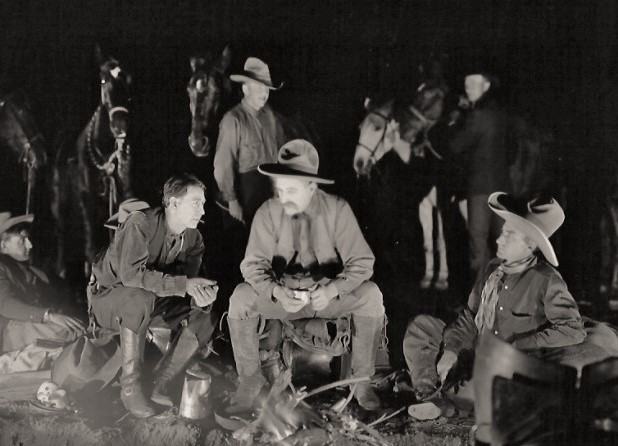
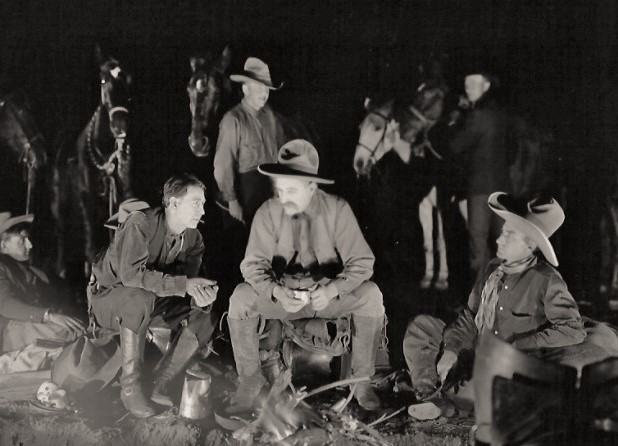
Unhappy with William "Red" Saunders, the foreman of the Chanta Seechee Ranch in Oklahoma, its Eastern owners send a Boston tenderfoot named Albert Jones to manage the ranch with "Eastern business methods." Red prevents the angry cowboys from quitting, but they insist on making Jones the butt of their jokes and tricks. Upon learning that Jones's niece, Loys Andres, is planning a visit, the boys plan a rowdy reception for the woman, whom they expect will be an old maid. Loys's beauty, however, surprises them all, and Red's bunk-mate, Kyle Lambert, falls in love with her, and he soon proposes. When Jones tries to break up the romance, Red arranges for an elopement, but as the lovers reach the ford, a rustler called "Squint-Eye" Lucas fires at them, slightly wounding Kyle. Loys returns to the ranch for help, Red shoots Lucas, and Kyle is rescued, after which Loys and Kyle marry. Beaten, Jones gives the couple his blessing.
Decades after its release, The Red-Haired Cupid remains a vital piece of the cinematic puzzle. Its influence can be seen in countless modern works, solidifying Clifford Smith's status as a master of the craft in United States and beyond.