
Cult Cinema
The Cryptic Canvas: Unearthing Cult Cinema's Enduring Legacy of Maverick Storytelling
“Dive into the fascinating world of cult cinema, exploring how unconventional films, often initially overlooked, forge profound connections with devoted audiences and leave an indelible mark on cinematic history. This article unpacks the enduring mystique and rebel spirit that defines these beloved c…”
In the vast, ever-expanding universe of cinema, certain films defy easy categorization. They exist on the fringes, often shunned by mainstream critics or ignored by the masses upon their initial release. Yet, over time, these peculiar, often transgressive, cinematic creations find their tribe, blossoming into what we affectionately call cult films. This phenomenon of cult cinema is more than just a niche interest; it's a profound cultural movement, a testament to the power of unconventional storytelling and the enduring human desire for narratives that challenge, provoke, and resonate on a deeply personal level. What is it about these cinematic outliers that fosters such fervent devotion, transforming initial obscurity into an almost sacred iconography?

The Genesis of Subversion: Early Sparks of Cinematic Rebellion
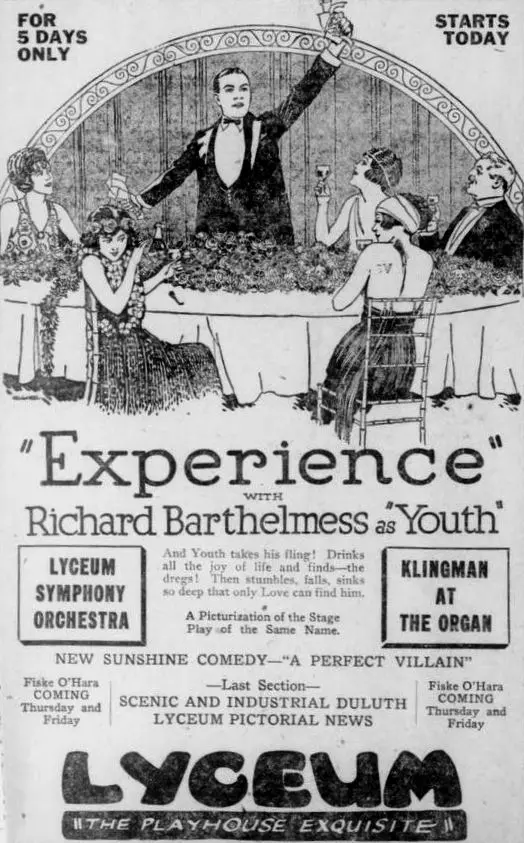
The roots of cult cinema stretch back to the very dawn of the moving picture. Even in the silent era, amidst melodramas and grand spectacles, there were films that pushed boundaries, whether through their narrative daring, visual eccentricity, or thematic taboo-breaking. These early maverick visions, often lost to the sands of time or relegated to academic archives, laid the groundwork for the future of underground cinema. They were the first whispers of a counter-narrative, a nascent rebellion against established norms.

Consider the dramatic experiments of the early 20th century. Films exploring complex human relationships, societal hypocrisy, or the harsh realities of life, often presented narratives that were too bleak, too morally ambiguous, or simply too strange for the popular tastes of their day. These were not always intentional provocations; sometimes, they were simply the unique artistic expressions of filmmakers unfettered by commercial pressures or rigid genre conventions. From tales of desperate struggles in remote landscapes to introspective dramas of personal sacrifice, these works dared to show life in shades beyond simple black and white, sparking a nascent appreciation among those who craved more than escapism.

Even early comedies, in their slapstick or satirical forms, occasionally veered into the bizarre or the absurd, creating surreal moments that would later become hallmarks of the cult aesthetic. The silent era, with its reliance on visual storytelling, was a fertile ground for expressive, often exaggerated performances and fantastical scenarios that could be unsettling or deeply captivating. These films, regardless of their initial reception, planted seeds of peculiar fascination, demonstrating that cinema could be a canvas for the grotesque, the beautiful, and the utterly inexplicable, all at once.

Beyond the Marquee: When Films Find Their Tribe
What truly defines a cult film is not its initial box office performance or critical acclaim, but its ability to foster an enduring, often obsessive, following. Many of the most celebrated cult classics were commercial failures or critical pariahs upon their release. They might have been deemed too avant-garde, too disturbing, too niche, or simply misunderstood. Yet, time and again, these cinematic anomalies find their audience, often through word-of-mouth, midnight screenings, or the dedicated efforts of passionate fans.

The journey from obscurity to cult status is an alchemical process. It involves a unique blend of factors: a visionary director, a compelling (or bewildering) narrative, memorable characters, and a distinct stylistic flair. These films often offer something that mainstream cinema doesn't: a sense of belonging for outsiders, a validation of alternative perspectives, or simply a dose of cinematic weirdness that satisfies a particular craving. They become touchstones for individuals who feel disenfranchised by conventional narratives, providing a mirror to their own experiences or a window into worlds they never knew existed.

The Power of Re-Discovery and Collective Experience
The re-discovery mechanism is crucial. A film might languish in obscurity for years, only to be resurrected by a new generation or a dedicated film programmer. The advent of home video, and later streaming platforms, democratized access to these forgotten gems, allowing them to bypass traditional distribution gatekeepers and find their way into the hands of receptive audiences. This grassroots appreciation often transforms a mere movie into a shared experience, a ritual, creating a sense of community around the film.

Think of the vibrant energy surrounding midnight movie screenings, where audiences dress up, recite lines, and interact with the screen. This communal viewing transforms passive consumption into active participation, forging bonds between strangers united by their love for a particular cinematic oddity. It’s a collective rebellion against the passive, sanitized experience of multiplex cinema, a celebration of the strange and the sublime.

Decoding the Maverick Mindset: Themes and Characteristics
While incredibly diverse, cult films often share common thematic and stylistic threads that resonate with their devoted followers. These are the elements that distinguish them from their mainstream counterparts and contribute to their enduring appeal.

Subversion and Transgression
Many cult films delight in subverting expectations, challenging moral conventions, or breaking cinematic rules. They tackle taboo subjects with unapologetic candor, explore dark psychological landscapes, or present dystopian visions that reflect societal anxieties. This transgressive spirit is often what makes them initially unpalatable to broader audiences but deeply compelling to those seeking narratives that push boundaries and question authority. Whether it's a drama exploring the darker side of human nature or an adventure that critiques power structures, the willingness to go against the grain is paramount.
Unconventional Storytelling and Aesthetics
The narrative structures of cult films can be fragmented, non-linear, or deliberately confusing. Their visual styles might be raw and gritty, hyper-stylized, or dreamlike and surreal. They often embrace an aesthetic that is distinct, memorable, and sometimes jarring. This embrace of the unconventional extends to character development, where protagonists are frequently anti-heroes, misfits, or morally ambiguous figures that defy traditional heroic archetypes. This distinctiveness ensures they stand out from the crowd and offer a truly unique viewing experience.
Genre Blending and Defiance
Cult cinema frequently blurs the lines between genres, creating hybrids that are difficult to classify. A horror film might incorporate elements of comedy and musical theater, or a sci-fi epic might delve into profound philosophical questions. This genre defiance is a hallmark of maverick filmmaking, demonstrating a refusal to be confined by established cinematic pigeonholes. It allows for unexpected tonal shifts and narrative surprises that keep audiences engaged and often inspire multiple re-watches to fully grasp their complexities.
Cultural Commentary and Social Reflection
Beneath the surface of their often bizarre or grotesque exteriors, many cult films offer sharp, incisive commentary on society, politics, and the human condition. They can hold up a distorted mirror to contemporary issues, exploring themes of alienation, consumerism, authoritarianism, or existential dread. Because they operate outside the commercial pressures of the mainstream, they are often free to be more critical, cynical, or experimental in their social critiques, allowing them to resonate deeply with audiences who feel similarly disaffected.
The Enduring Legacy: Shaping Cinematic Landscapes
The impact of cult cinema extends far beyond its devoted fan bases. These films, once relegated to the margins, have profoundly influenced mainstream filmmaking, inspiring new generations of directors, writers, and artists. Their stylistic innovations, narrative risks, and thematic explorations have seeped into the broader cinematic consciousness, proving that unconventional approaches can lead to lasting artistic and cultural significance.
The very existence of a thriving cult film scene ensures a vital ecosystem for creative expression. It provides a space for filmmakers to experiment without fear of immediate commercial failure, knowing that their work might one day find its appreciative audience. This constant push against the boundaries of conventional cinema keeps the art form dynamic and evolving, preventing stagnation and fostering a rich diversity of voices and visions.
Moreover, cult films serve as important cultural artifacts, reflecting the anxieties, desires, and counter-cultural movements of their respective eras. By studying these films, we gain insights into alternative histories of cinema and society, understanding how different communities found meaning and identity through shared cinematic experiences. They remind us that art is not always about universal appeal, but often about finding that specific, resonant frequency that connects with a particular soul.
The Unseen Language of Obsession: Why We Keep Watching
Why do audiences return to these films again and again, dissecting every frame, memorizing every line, and celebrating their imperfections? It's often because cult films speak an unseen language of obsession. They invite multiple viewings, revealing new layers of meaning, subtle nuances, or hidden depths with each watch. Their complexity, ambiguity, or sheer audacity demands engagement, transforming passive viewers into active interpreters.
For many, a cult film is more than just entertainment; it's an identity marker, a secret handshake with like-minded individuals. It’s a shared experience that transcends geographical boundaries, connecting people across the globe through their mutual appreciation for something truly unique. This profound connection is often born from the film's ability to articulate feelings, fears, or fantasies that are rarely explored in mainstream media, making viewers feel seen and understood.
From the earliest days of cinema, when pioneering filmmakers explored the dramatic potential of the medium in tales of love, loss, and adventure, to the modern era of digital distribution, the spirit of the cult film has persisted. It is a testament to the enduring power of storytelling that dares to be different, that refuses to conform, and that ultimately finds its lasting home in the hearts and minds of its devoted followers. The enduring allure of cult cinema lies in its promise of discovery, its celebration of the peculiar, and its unwavering commitment to the art of cinematic rebellion.
Conclusion: The Everlasting Resonance of the Fringe
Cult cinema is not merely a genre; it is a philosophy, a movement, and a vibrant community. It thrives on individuality, celebrates the unconventional, and provides a sanctuary for films that challenge the status quo. From the obscure melodramas of the silent screen to the surreal masterpieces of contemporary indie cinema, these films remind us that artistic merit isn't always measured by commercial success or critical consensus. Instead, it's found in the profound, often unexpected, connections forged between a film and its devoted audience.
The cryptic canvas of cult cinema continues to expand, inviting new generations to explore its twisted paths and discover its hidden treasures. It's a testament to the fact that true cinematic power often lies not in broad appeal, but in the ability to speak deeply and authentically to a passionate few. As long as there are filmmakers willing to defy convention and audiences hungry for something different, the flame of cult cinema will burn brightly, illuminating the unseen corners of our shared cultural landscape and cementing the legacy of these unforgettable cinematic outliers.
Community
Comments
Log in to comment.
Loading comments…