
DbcultAccessing Vault...
Director's Spotlight
Senior Film Conservator
Director's Spotlight: United States
A Deep Dive into the 1926 Vision of Daniel Keefe
Witnessing the stylistic transformation of Comedy through Elsie in New York reveals the provocative questions that Daniel Keefe poses to the United States audience. Exploring the nuances of the human condition with Comedy flair, it showcases the power of Comedy as a tool for social commentary.
In Elsie in New York, Daniel Keefe pushes the boundaries of conventional narrative. The film's unique approach to its subject matter has sparked endless debates and interpretations among cinephiles and critics alike.
| Cinematography | High-Contrast |
| Soundtrack | Synth-Heavy |
| Editing | Rhythmic |
| Art Direction | Naturalist |
Visualizing the convergence of Daniel Keefe's style and the core Comedy narrative.
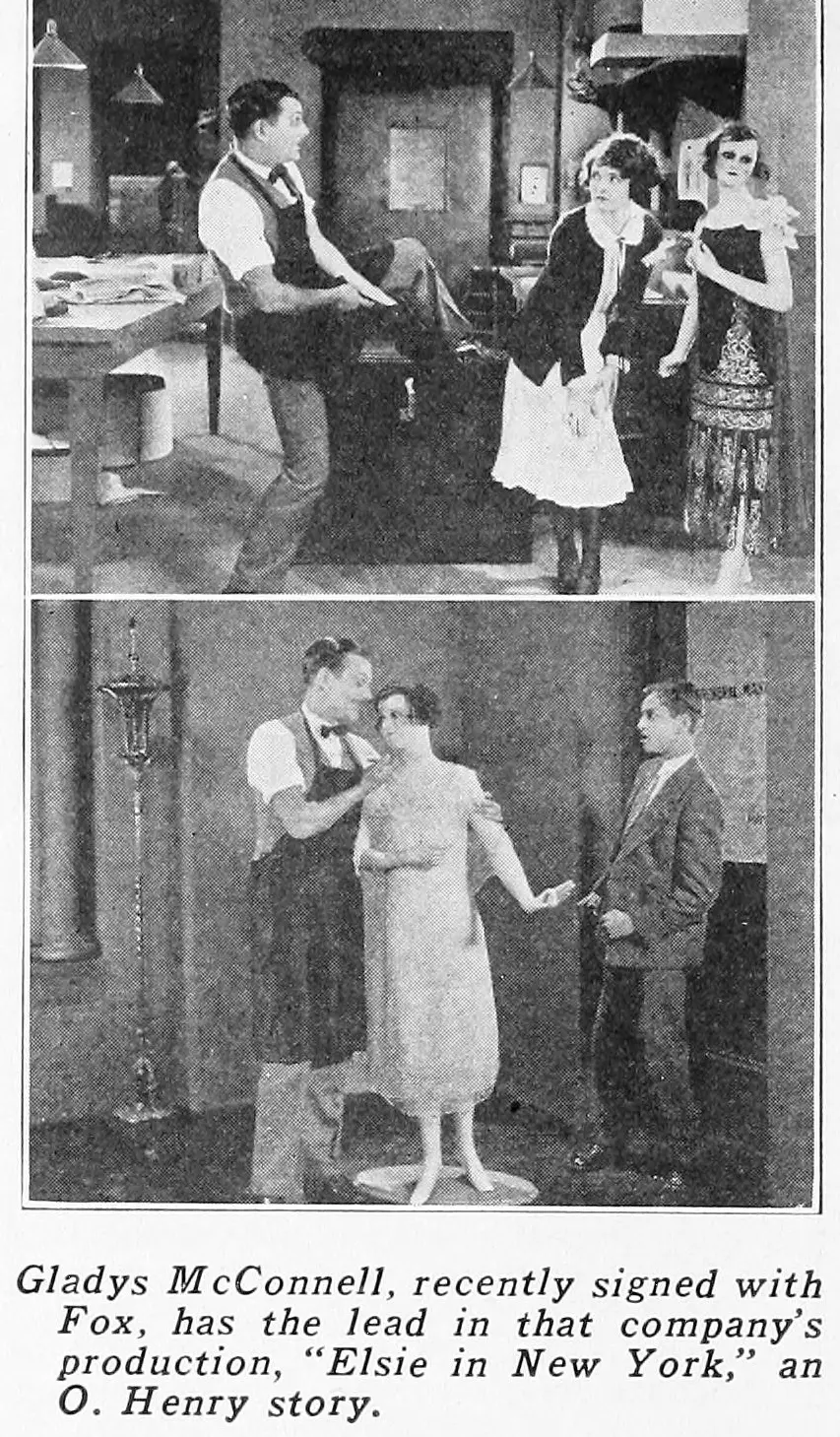
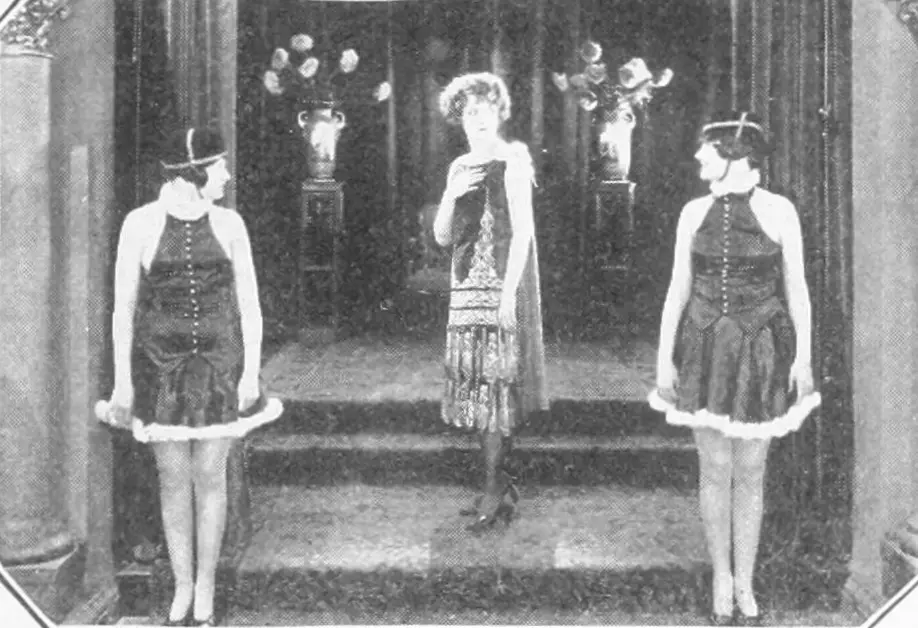
Elsie, a small town girl, arrives in New York, armed with an introductory letter to the head of a wholesale firm whom her father had previously befriended. Max, the manager and Tom, the shipping clerk are both attracted by the charms of the little country girl who soon proves a menace to the popularity of Laurette, the head model. Although Elsie favors Tom, she refuses his proposal of marriage and pretends that she is betrothed to Guido - a flower store proprietor who welcomes the flirtation by arranging for a dinner. Complications result when Guido's wife appears. Max, who is jealous of Tom, discharges him but Tom turns the tables with the announcement that he is the real owner of the business. Tom gives Max a trouncing and wins Elsie for his bride.
Decades after its release, Elsie in New York remains a vital piece of the cinematic puzzle. Its influence can be seen in countless modern works, solidifying Daniel Keefe's status as a master of the craft in United States and beyond.