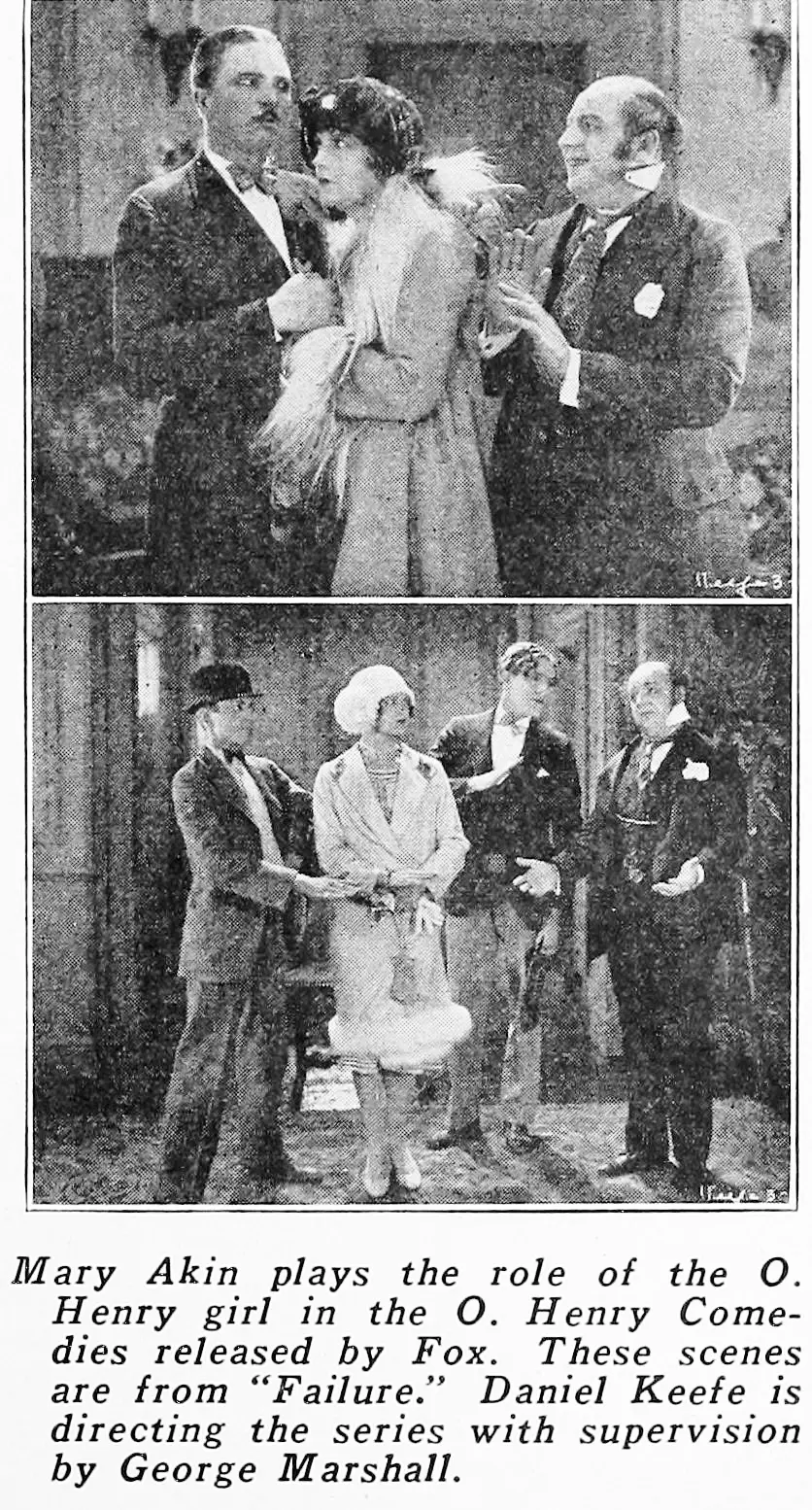
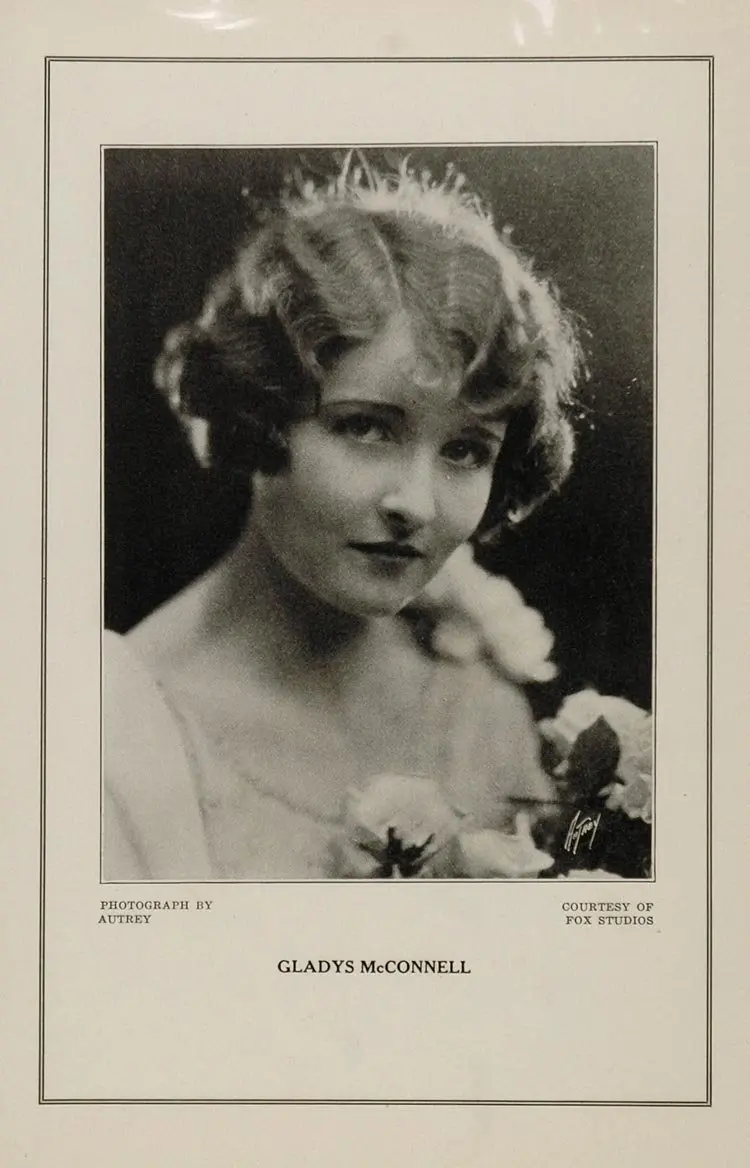
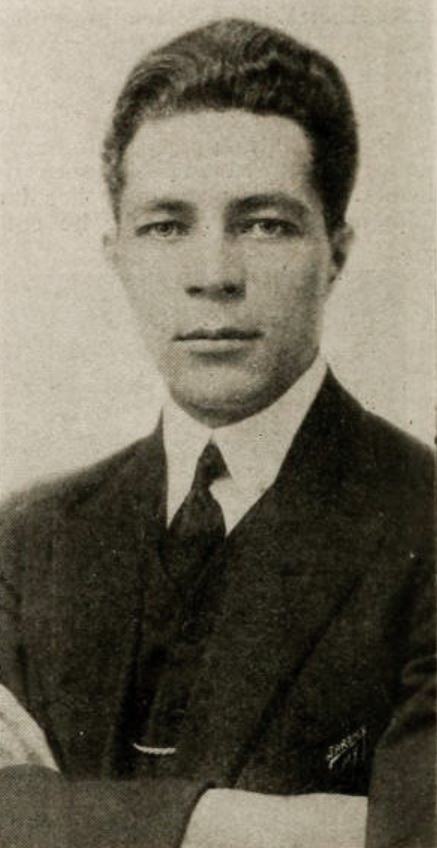
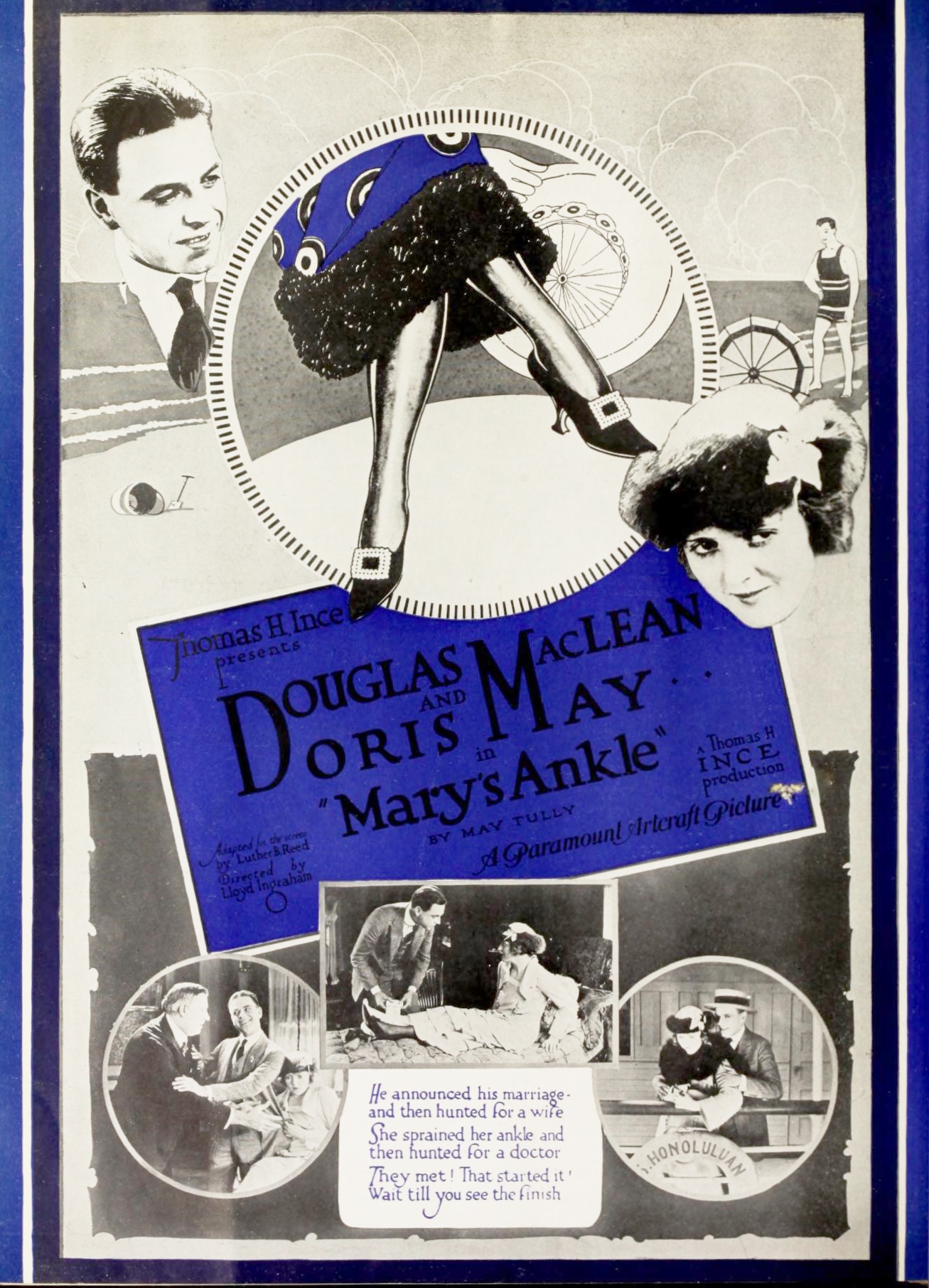
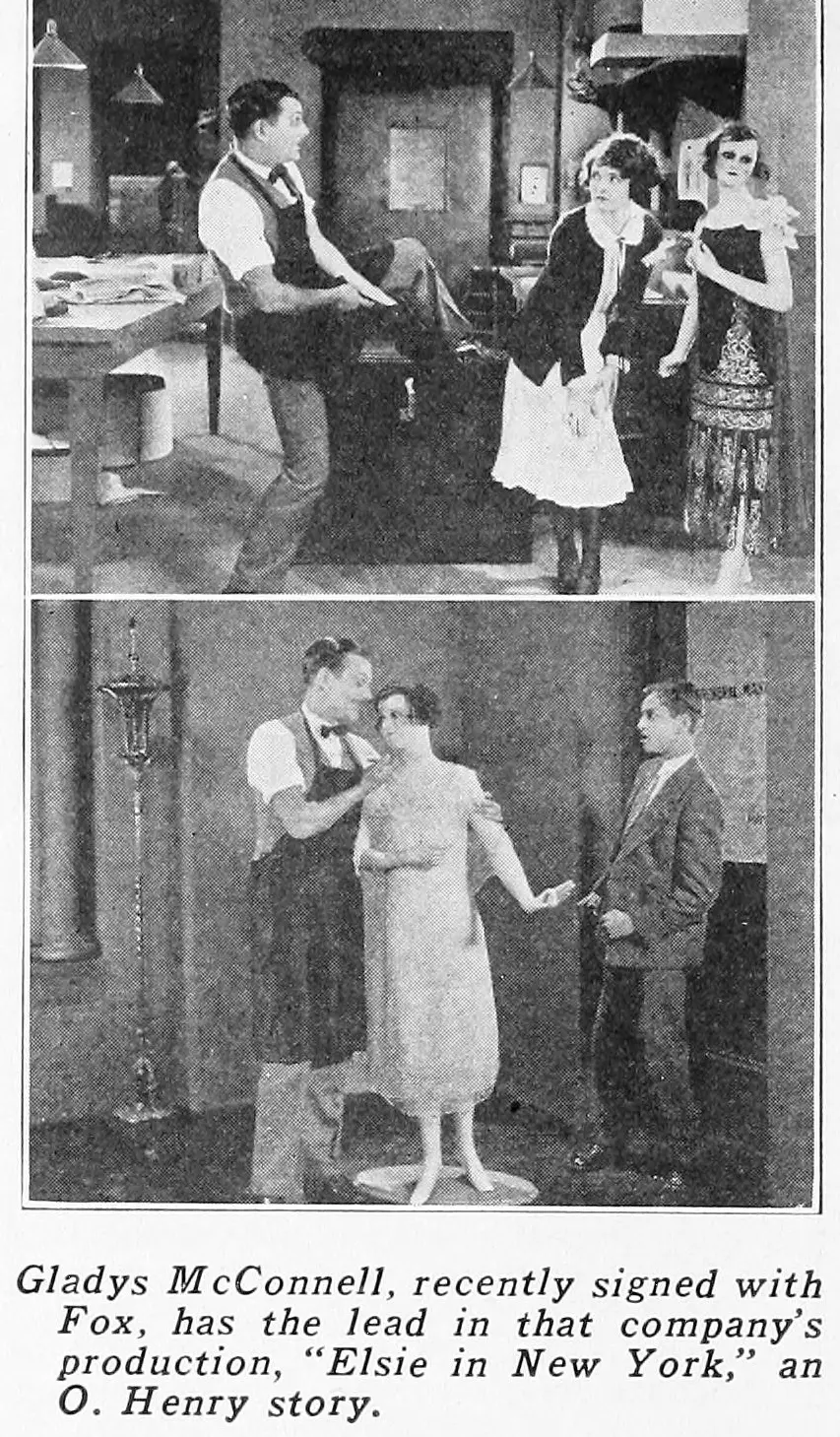
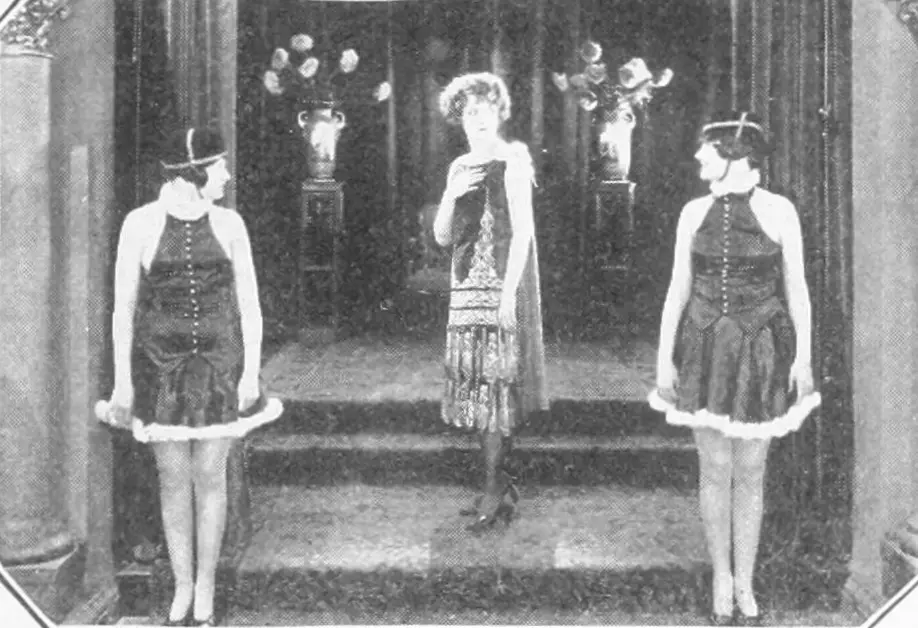
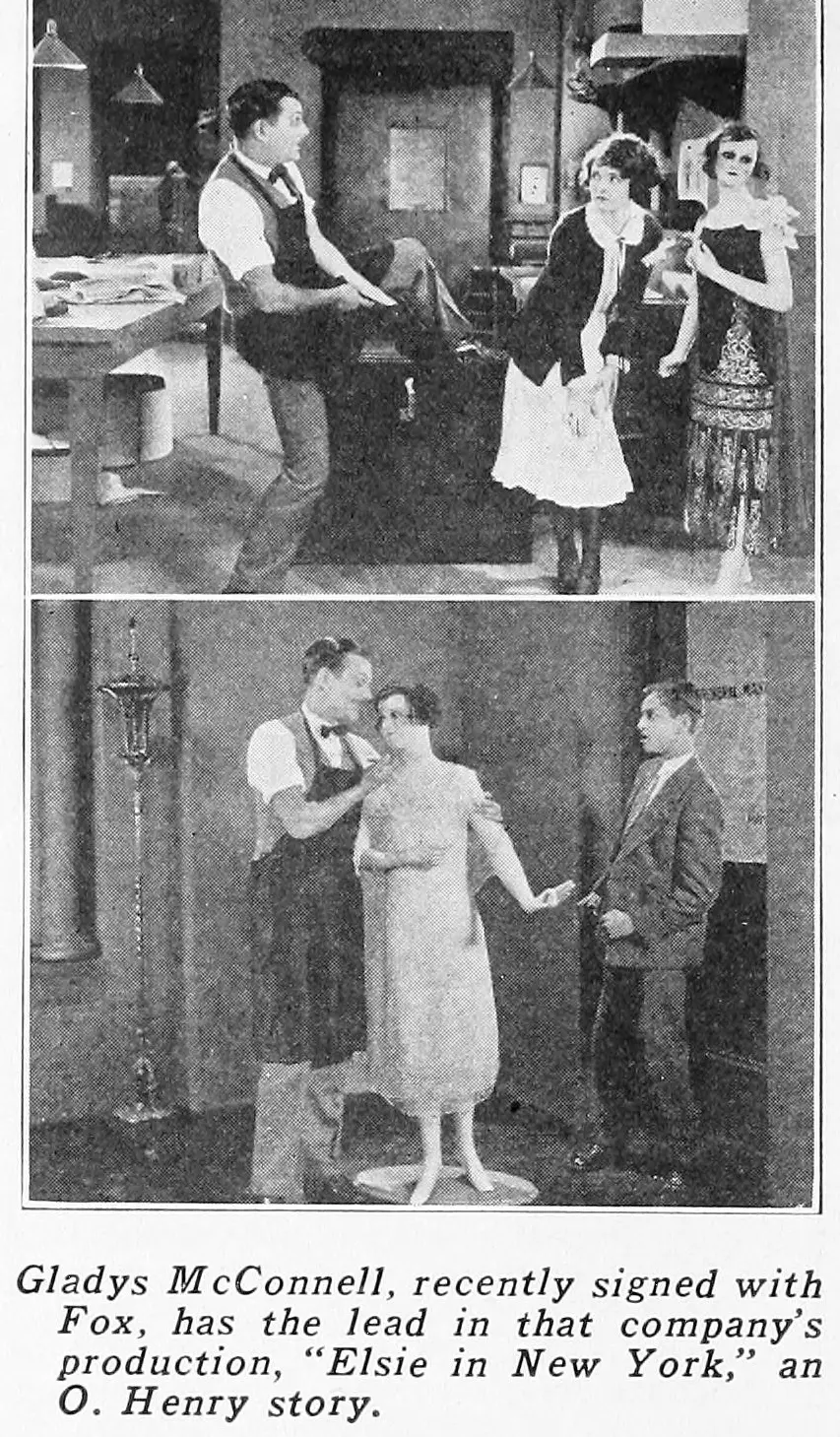
Elsie, a small town girl, arrives in New York, armed with an introductory letter to the head of a wholesale firm whom her father had previously befriended. Max, the manager and Tom, the shipping clerk are both attracted by the charms of the little country girl who soon proves a menace to the popularity of Laurette, the head model.
Short answer: Yes, but only if you have an appetite for the specific brand of narrative irony that defined the early 20th century. While it lacks the high-octane spectacle of modern cinema, its charm lies in its social observation and a surprisingly punchy ending. This film is for enthusiasts of silent-era storytelling...
still_frame
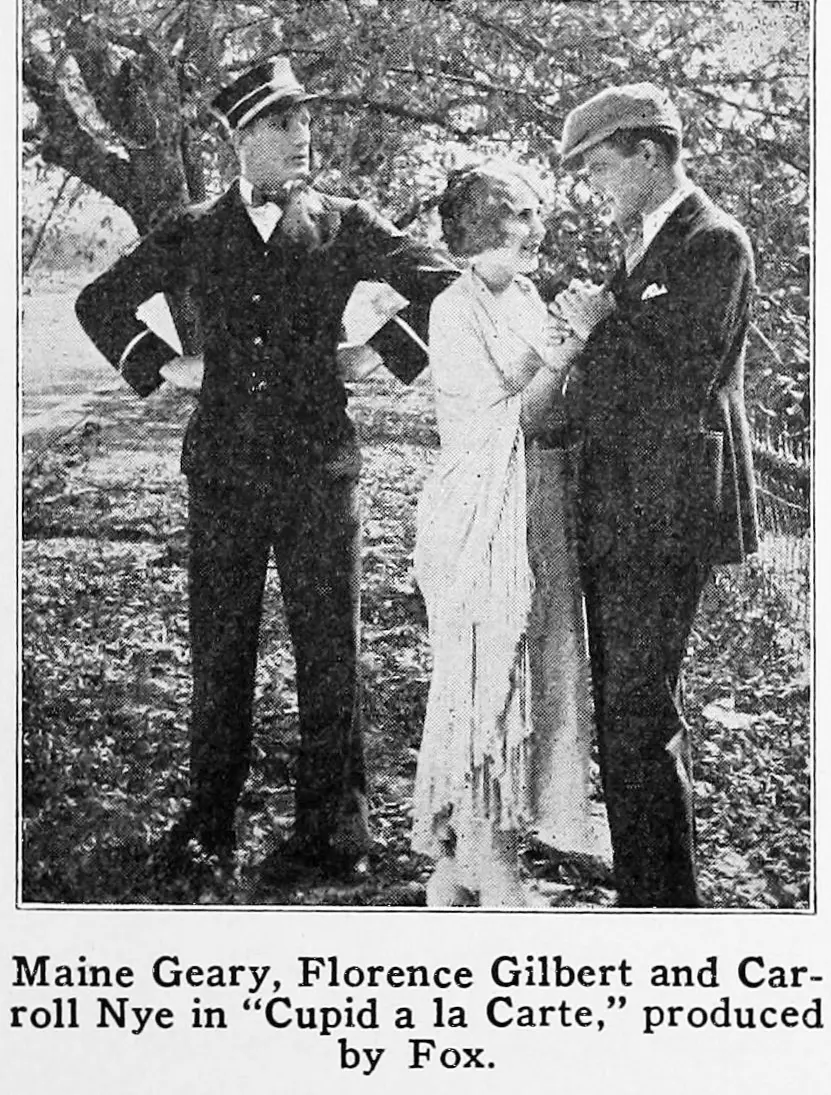
still_frame
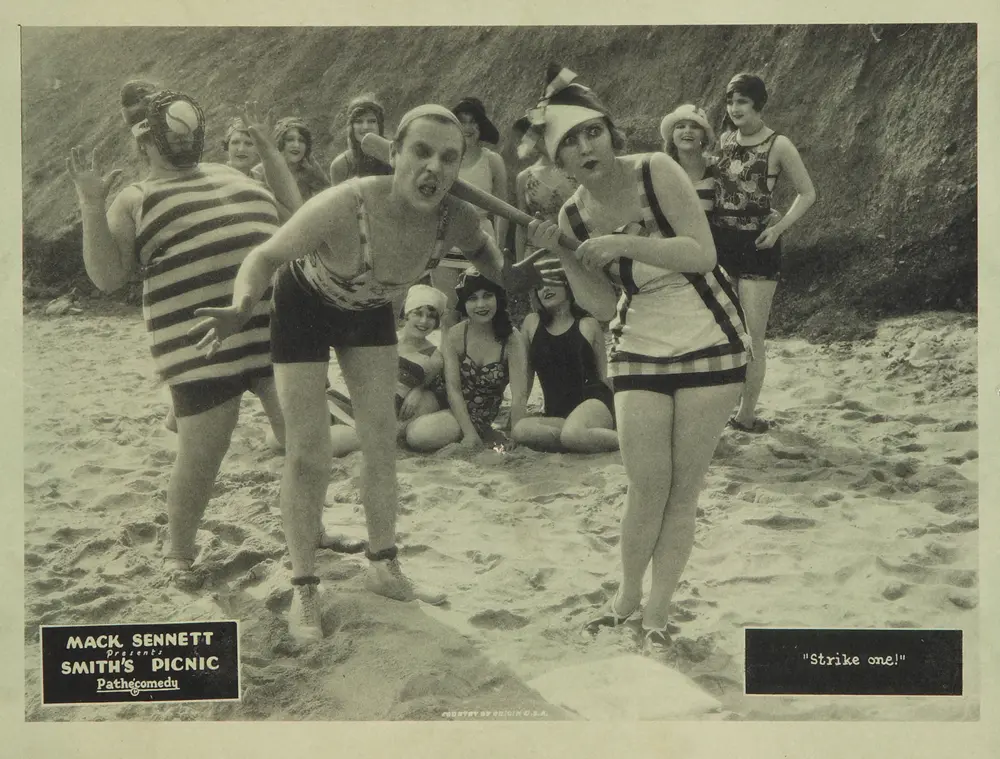
Comparing the cinematic DNA and archive impact of two defining moments in cult history.
Daniel Keefe
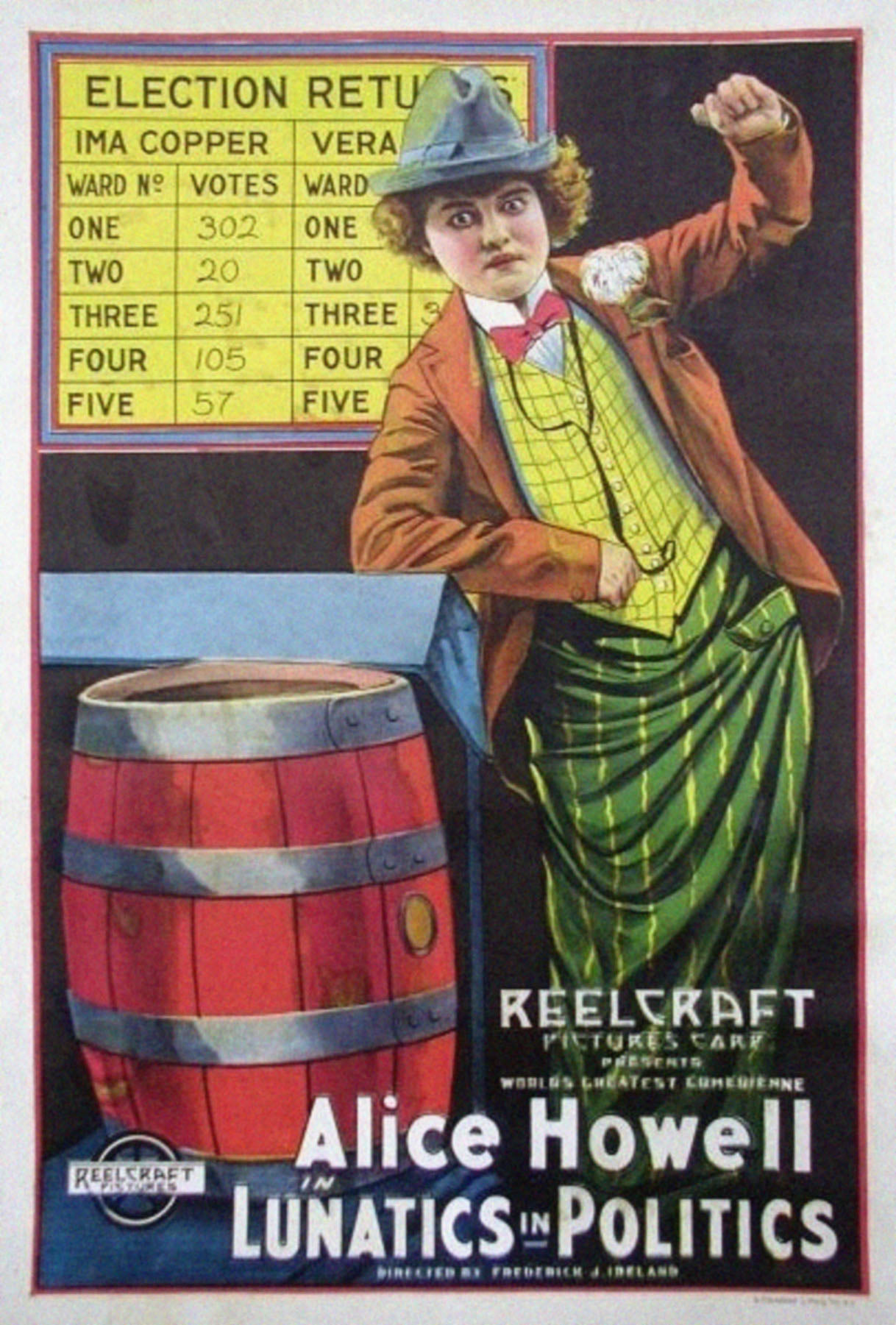
Richard Smith
Community
Log in to comment.
"Short answer: Yes, but only if you have an appetite for the specific brand of narrative irony that defined the early 20th century. While it lacks the high-octane spectacle of modern cinema, its charm lies in its social observation and a surprisingly punchy ending. This film is for enthusiasts of silent-era storytelling and those who appreciate workplace dynamics through a historical lens. It is NOT for viewers who demand fast pacing or those who find the 'damsel in distress' tropes of the 1920s ..."
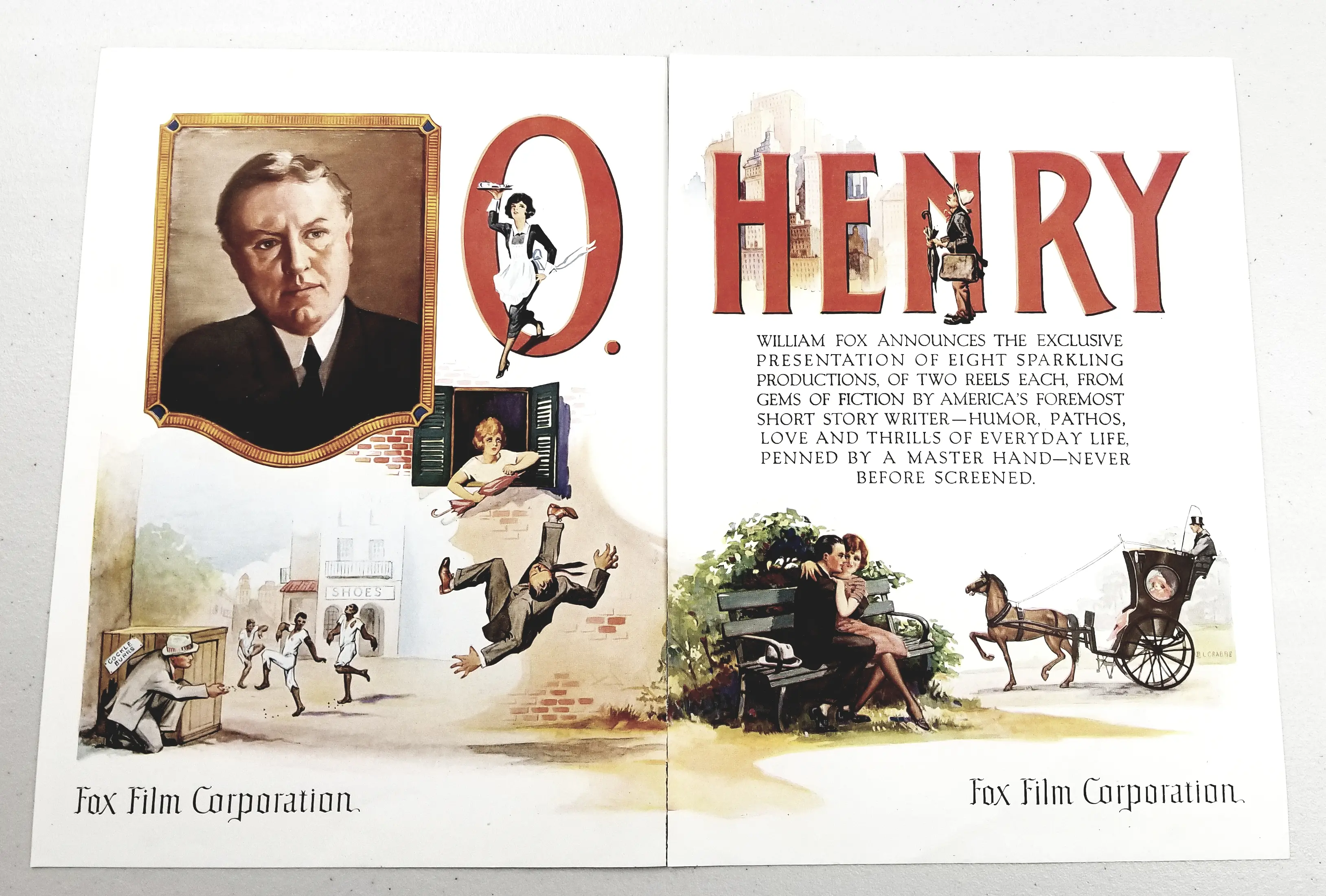
O. Henry
United States
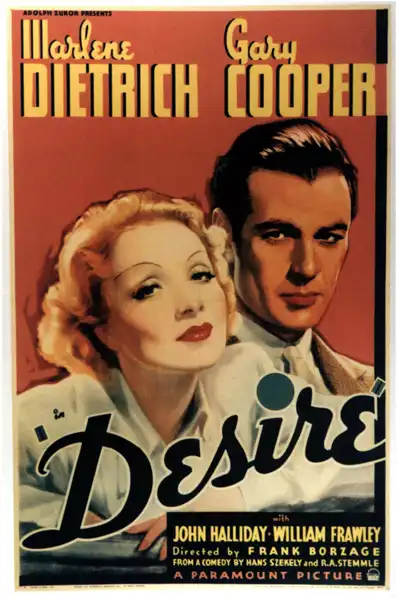
1936 · IMDb 7.1
Deep dive into the cult classic
Discover similar cinematic experiences
A Directorial Spotlight on Daniel Keefe