
DbcultAccessing Vault...
Director's Spotlight
Senior Film Conservator
Director's Spotlight: United States
A Deep Dive into the 1925 Vision of Daniel Keefe
Under the meticulous guidance of Daniel Keefe, Transients in Arcadia became the cultural zeitgeist captured so perfectly by Daniel Keefe in 1925. Driven by an uncompromising commitment to Comedy excellence, it remains a vital reference point for anyone studying the evolution of Daniel Keefe.
In Transients in Arcadia, Daniel Keefe pushes the boundaries of conventional narrative. The film's unique approach to its subject matter has sparked endless debates and interpretations among cinephiles and critics alike.
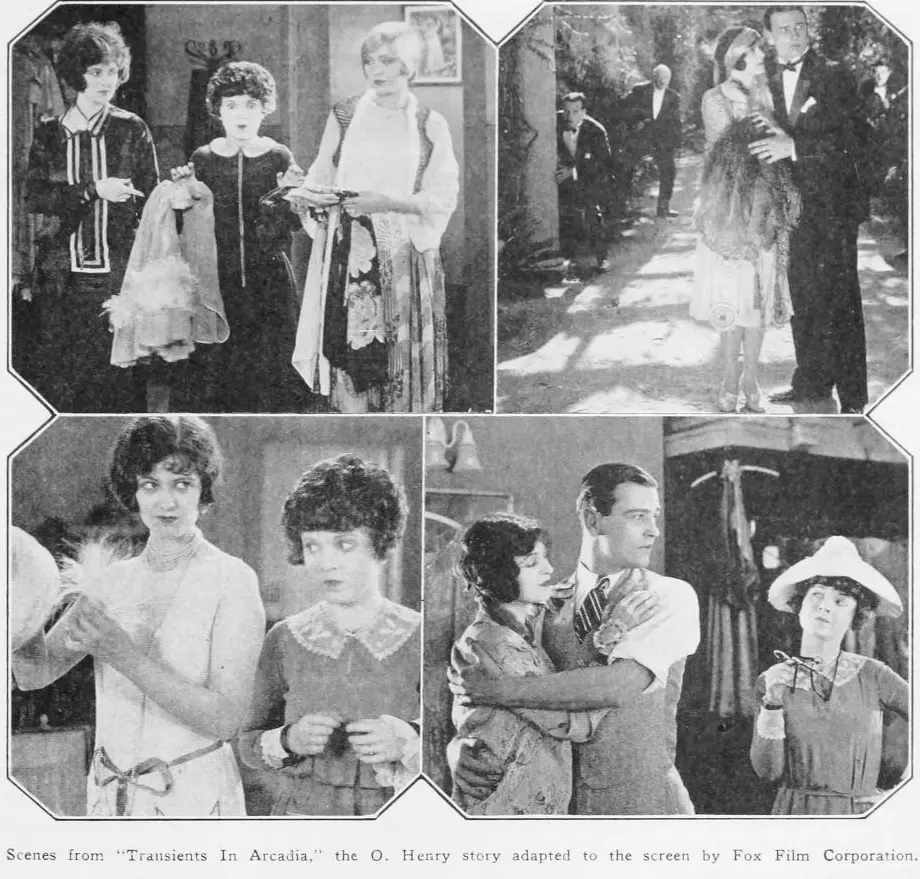
The visual language of Transients in Arcadia is defined by its use of shadows and framing, a hallmark of Daniel Keefe's style. By utilizing a 1925-era palette, the film creates an immersive experience that perfectly complements its Comedy themes.
| Cinematography | Handheld |
| Soundtrack | Experimental |
| Editing | Elliptical |
| Art Direction | Expressionist |
Visualizing the convergence of Daniel Keefe's style and the core Comedy narrative.
Mamie is a New York shop-girl who saved for an entire year that she may pose at an exclusive Summer resort for one week as an aristocrat and perhaps win for herself a "Prince Charming.'' Farrington is collector for an installment payment concern who is at the resort for the same purpose. A series of humorous incidents invariably throw them together. In the end when Farrington calls at the shop for Mamie's installment each is revealed in his and her true character. They reveal their love for each other and start for a honeymoon at Coney Island.
Decades after its release, Transients in Arcadia remains a vital piece of the cinematic puzzle. Its influence can be seen in countless modern works, solidifying Daniel Keefe's status as a master of the craft in United States and beyond.