
DbcultAccessing Vault...
Director's Spotlight
Senior Film Conservator
Director's Spotlight: United States
A Deep Dive into the 1927 Vision of David Butler
To understand the modern evolution of United States film, one must first look at High School Hero and the meticulous attention to detail that David Butler applied to every frame. Reflecting the political and social shifts of the 1927s, it showcases the power of Comedy as a tool for social commentary.
In High School Hero, David Butler pushes the boundaries of conventional narrative. The film's unique approach to its subject matter has sparked endless debates and interpretations among cinephiles and critics alike.
While deeply rooted in United States, High School Hero has achieved a global reach, influencing directors from various backgrounds. Its ability to translate Comedy tropes into a universal cinematic language is why it remains a cult staple decades after its 1927 release.
| Cinematography | Noir-Inspired |
| Soundtrack | Synth-Heavy |
| Editing | Rhythmic |
| Art Direction | Naturalist |
Visualizing the convergence of David Butler's style and the core Comedy narrative.
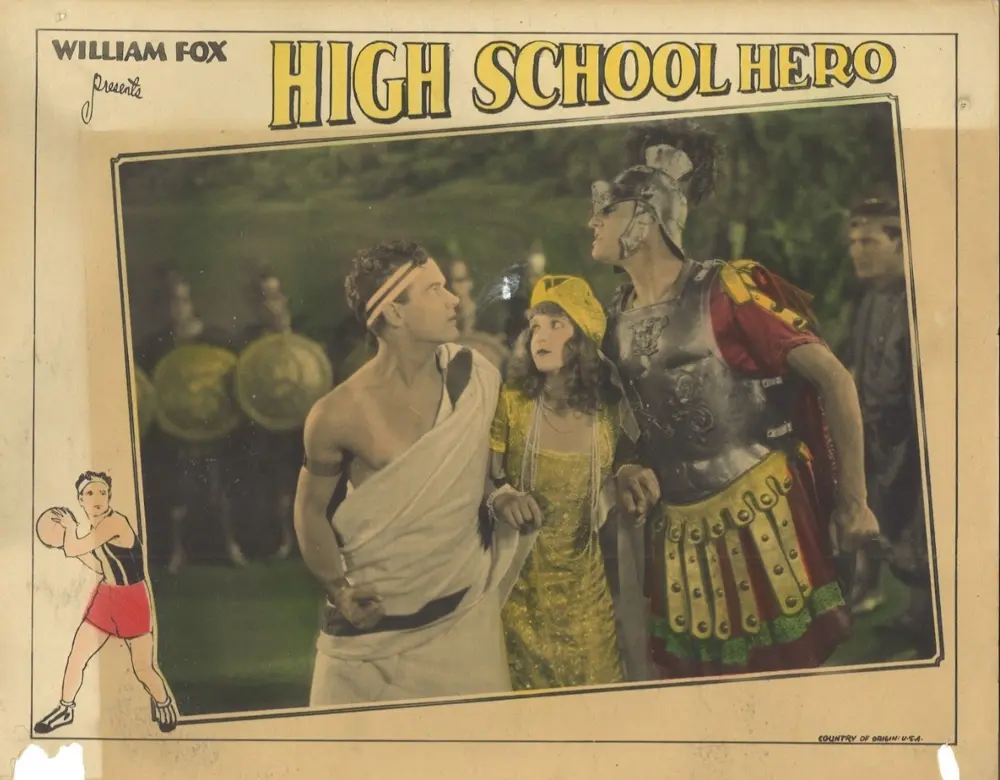
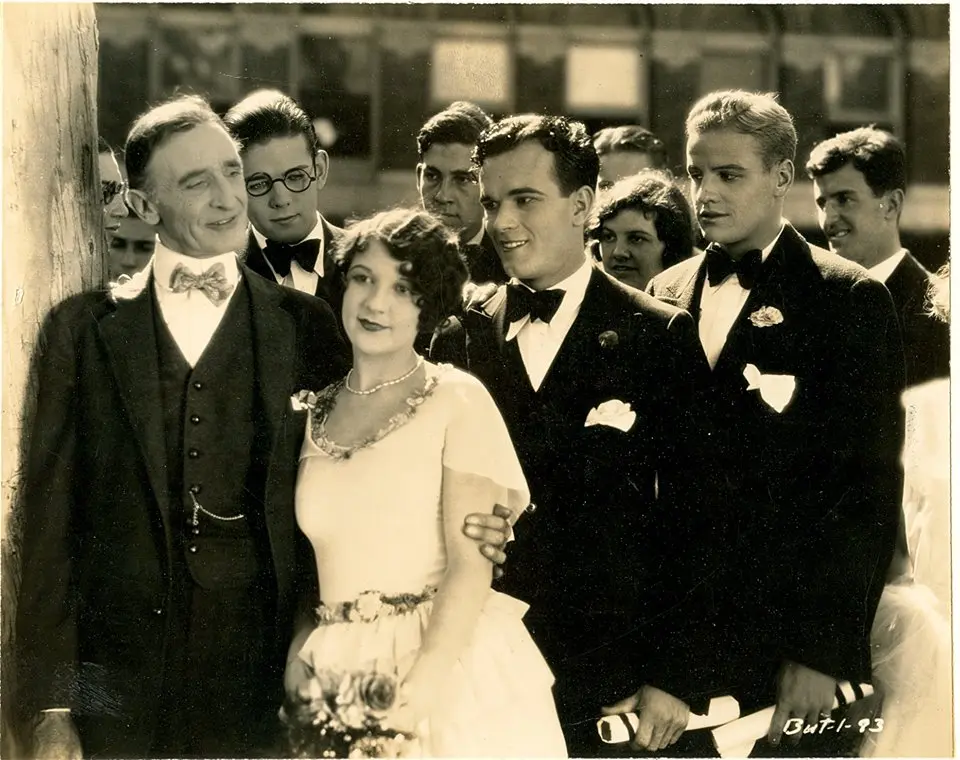
Rivals since childhood, Pete ( Nick Stuart ) and Bill ( John Darrow ) continue feuding in high school, and their natural friction is intensified by each centering his attention on new classmate, Eleanor Barrett ( Sally Phipps ). Amusing complications involve a sequence in which the high school Latin class presents what is intended to be a Roman tragedy but develops as a comic farce. The boys' enmity threatens to disrupt the school basketball team, but loyalty to their school compels them to drop their differences. Meanwhile, Eleanor ends up more interested in Allen Drew ( David Rollins ), a bespectacled, studious type.
Decades after its release, High School Hero remains a vital piece of the cinematic puzzle. Its influence can be seen in countless modern works, solidifying David Butler's status as a master of the craft in United States and beyond.