
DbcultAccessing Vault...
Director's Spotlight
Senior Film Conservator
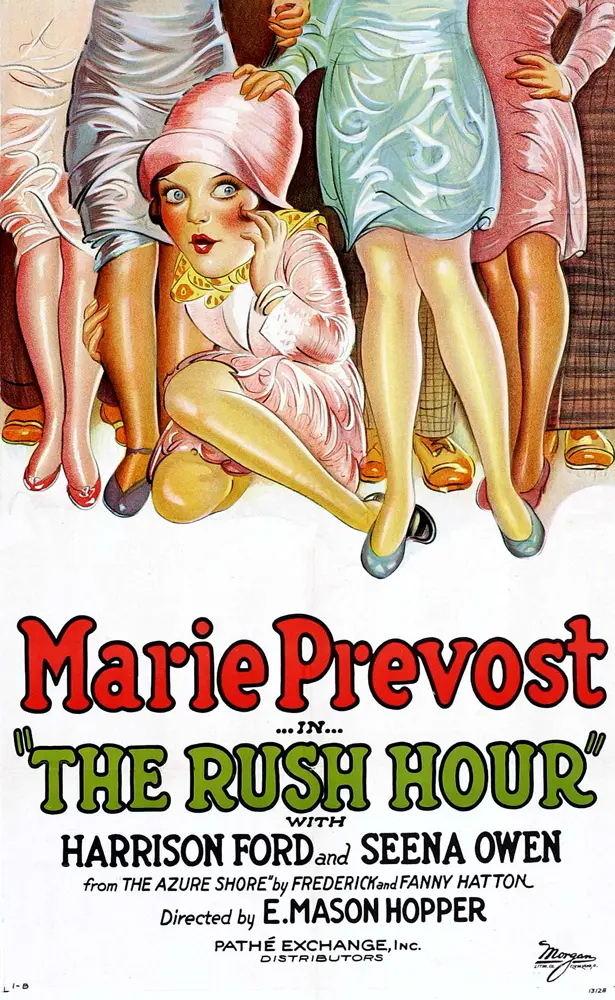
Director's Spotlight: United States
A Deep Dive into the 1927 Vision of E. Mason Hopper
Analyzing The Rush Hour (1927) requires a deep dive into the defining moment in Comedy history that E. Mason Hopper helped create. Defining a new era of United States artistic expression, it transcends regional boundaries to tell a universal story.
In The Rush Hour, E. Mason Hopper pushes the boundaries of conventional narrative. The film's unique approach to its subject matter has sparked endless debates and interpretations among cinephiles and critics alike.
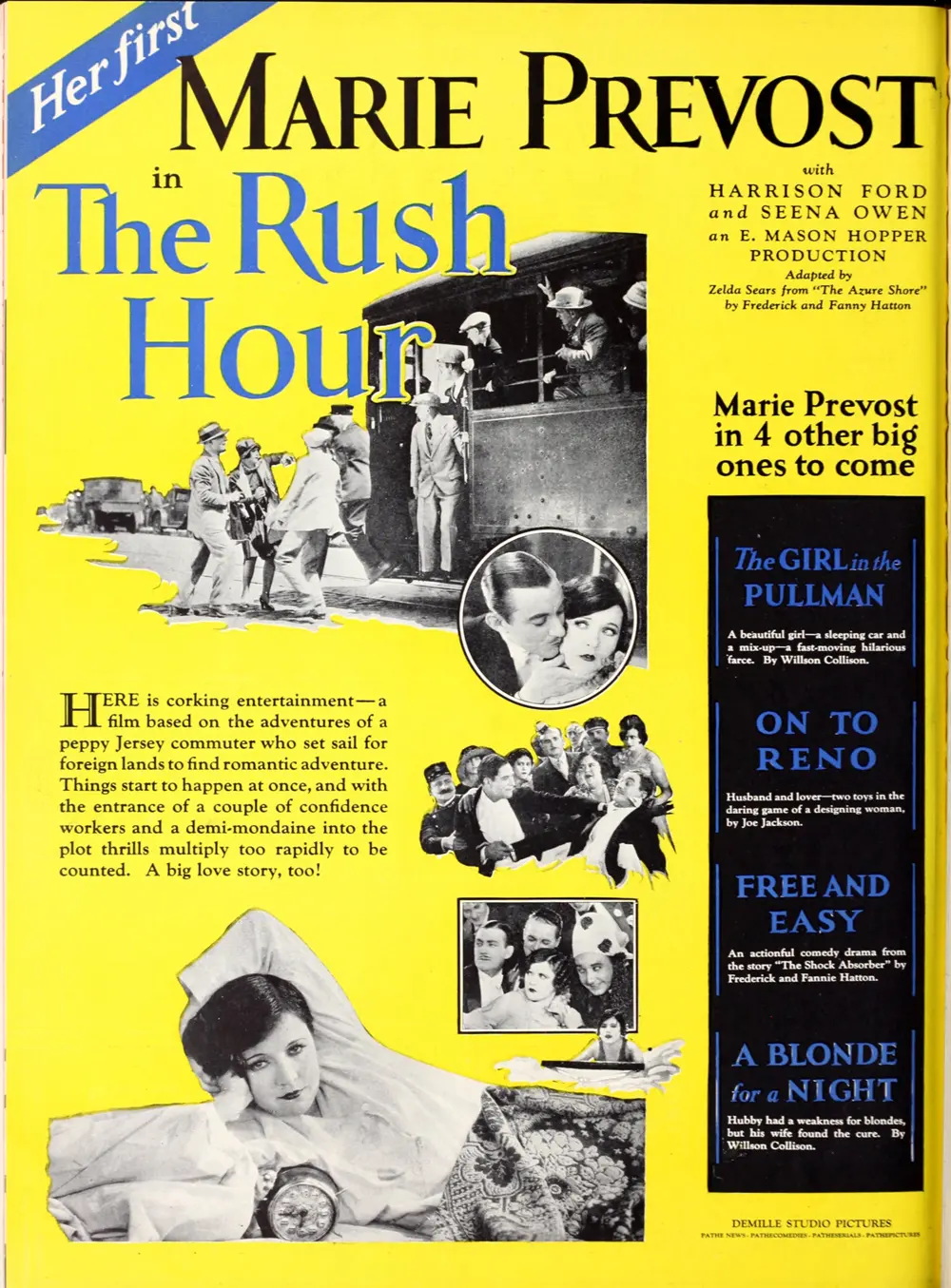
The visual language of The Rush Hour is defined by its use of shadows and framing, a hallmark of E. Mason Hopper's style. By utilizing a 1927-era palette, the film creates an immersive experience that perfectly complements its Comedy themes.
| Cinematography | High-Contrast |
| Soundtrack | Synth-Heavy |
| Editing | Disjunctive |
| Art Direction | Baroque |
Visualizing the convergence of E. Mason Hopper's style and the core Comedy narrative.
Margie Dolan, a ticket agent in a steamship office, dreams of endless pleasure and adventures abroad, while her sweetheart, Dan Morley, a drugstore owner, is devoted to his business and his eventual marriage to Margie. When the horrors of commuting become unendurable, Margie suggests they take a honeymoon trip to Niagara Falls, but he is shocked at her extravagance; as she boards an ocean liner on a business errand, Margie decides to stowaway, and when discovered she is put to work in the linen room. Dunrock and Yvonne, an unscrupulous pair who plan to relieve Finch, an oil millionaire, of his fortune, hire Margie as a companion to Finch. On the Riviera, Yvonne becomes jealous of Dunrock's attentions to Margie, provoking a riot that culminates in the arrival of Dan, who promises the terrified Margie a fine honeymoon.
Decades after its release, The Rush Hour remains a vital piece of the cinematic puzzle. Its influence can be seen in countless modern works, solidifying E. Mason Hopper's status as a master of the craft in United States and beyond.