
Cult Cinema
Echoes from the Fringe: How Early Cinema's Unconventional Spirit Forged the Cult Film Obsession
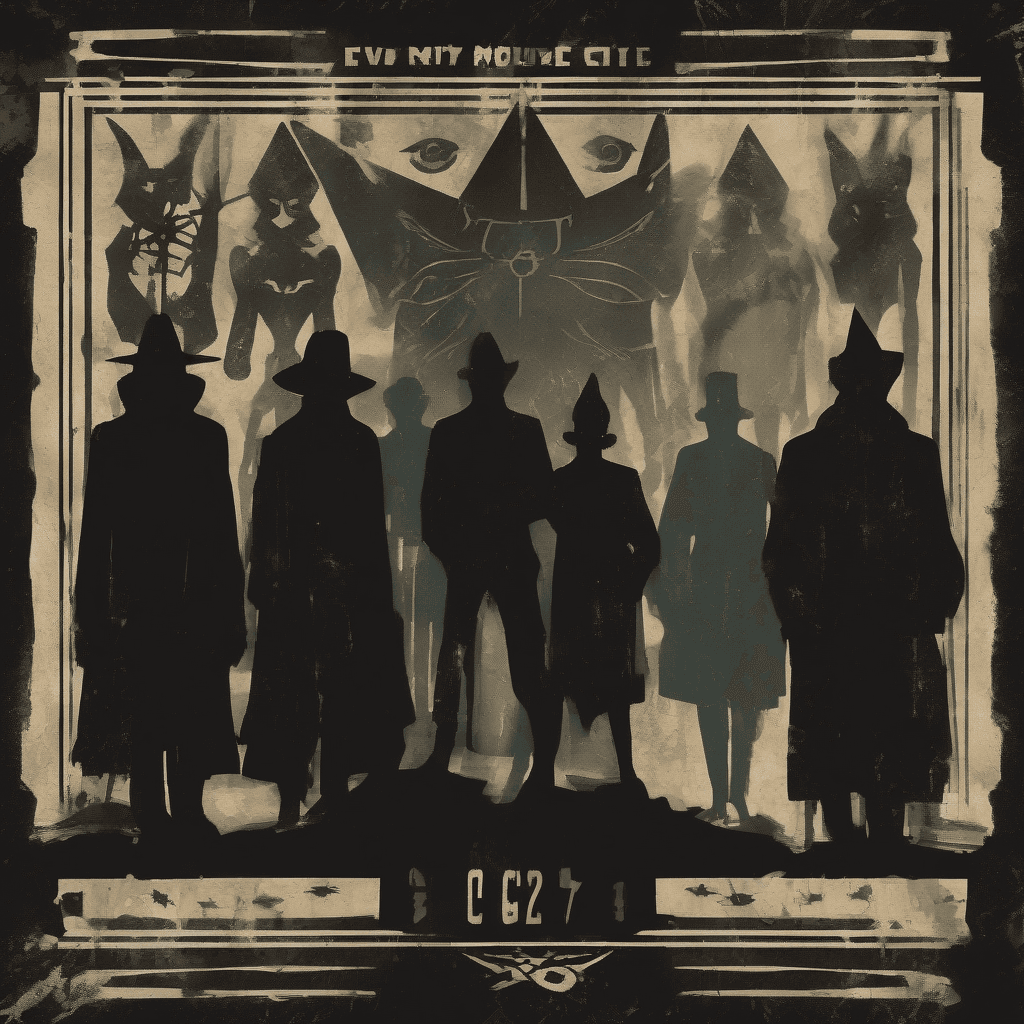
“Dive into the origins of cult cinema, tracing its rebellious spirit and magnetic allure back to the experimental, often transgressive, narratives of early film, long before the midnight movie phenomenon took hold.”
The term 'cult cinema' often conjures images of midnight screenings, audience participation, and films so bizarre, transgressive, or misunderstood that they forge an almost religious devotion among their fans. From the surreal landscapes of David Lynch to the visceral punk-rock energy of John Waters, these cinematic anomalies challenge norms, defy categorization, and carve out their own unique place in cultural history. But to truly understand the enduring power and magnetic pull of cult films, we must look beyond the familiar classics of the 70s and 80s, venturing deep into the flickering shadows of early cinema. It is here, amidst the nascent artistry and raw experimentation of the moving image, that we discover the primal pulse of cinematic rebellion, the unseen architects who laid the groundwork for our modern obsessions.
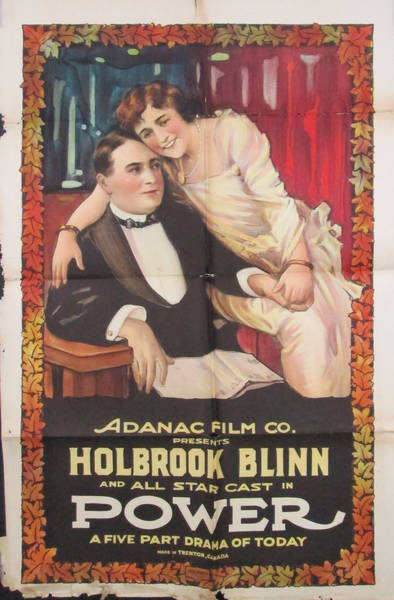
The Dawn of Deviance: Early Cinema's Unconventional Glimmers
In its infancy, cinema was a wild, untamed frontier. Filmmakers, largely unburdened by established conventions or corporate oversight, experimented with narrative, spectacle, and emotional manipulation. This era, often dismissed as primitive, was in fact a fertile ground for the seeds of what would become cult cinema. The stories told on screen, though often presented as mainstream entertainment, frequently explored themes that pushed societal boundaries, challenged moral orthodoxies, or simply reveled in the bizarre. They were, in essence, the proto-cult films, captivating audiences with their audacity and peculiar charm.

Consider the prevailing narratives of the time: melodramas that depicted stark moral dilemmas, social commentaries that highlighted the plight of the working class, or crime thrillers that delved into the shadowy underworld. These weren't always comfortable viewing. Films frequently grappled with themes of moral ambiguity, where protagonists faced impossible choices or succumbed to temptation. The concept of 'atonement' or 'salvation' often came at a great personal cost, forcing viewers to confront the darker aspects of human nature. This exploration of the forbidden, the transgressive, and the morally complex, set a precedent for future cult films that would gleefully shatter taboos.
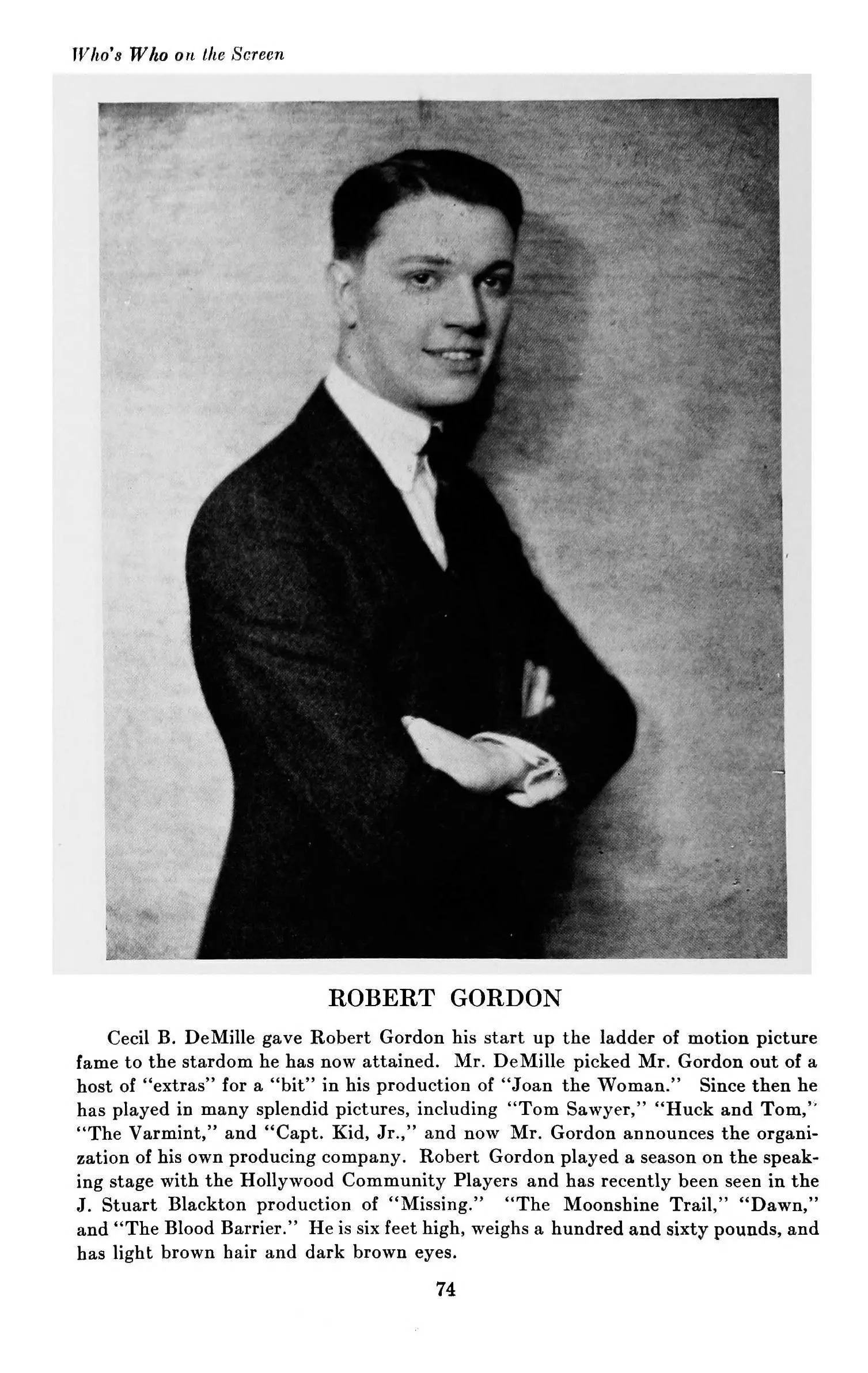
Melodrama as a Proto-Cult Form: Heightened Emotions and Unconventional Fates
Many early films leaned heavily into melodrama, a genre characterized by heightened emotions, dramatic twists, and often clear-cut moralizing. Yet, within this framework, there was ample room for the unconventional. Characters often found themselves in extraordinary circumstances, driven by passions, betrayals, or societal pressures that pushed them to their limits. A woman might pose as a society figure to prove her worth, only to find herself entangled in a web of deceit. A man might struggle with inherited vices, battling personal demons in a quest for redemption. These narratives, with their intense emotional stakes and often exaggerated performances, created a theatricality that resonated deeply with audiences. This raw, unfiltered emotional intensity, often bordering on the absurd, is a hallmark of many beloved cult films, where sincerity and irony often dance a fine line.

The fates of these characters were rarely simple. They confronted societal judgment, navigated intricate family dynamics, or faced the consequences of their own hidden desires. The 'black sheep' of a family, the individual struggling with an addiction, or the woman defying traditional roles — these figures, though presented within a moralistic context, became compelling anti-heroes or tragic figures. Their struggles against societal expectations, their hidden lives, and their often tragic or unconventional resolutions provided a blueprint for the outsider narratives that would later define cult cinema. They invited empathy for the flawed, challenged easy judgments, and in doing so, created a space for different ways of seeing the world.
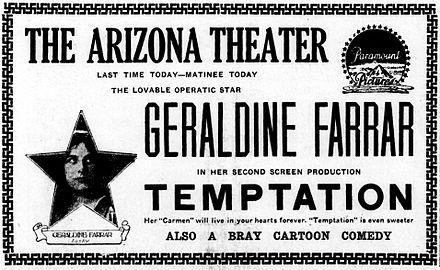
Genre Bending and Cinematic Anomalies: A Canvas of Experimentation
The early decades of cinema were also a period of immense genre fluidity. The rigid categories we recognize today were still forming. Filmmakers were free to blend elements of comedy with drama, social critique with adventure, or even inject surrealism into otherwise straightforward narratives. This lack of strict genre definition allowed for a creative freedom that fostered cinematic anomalies – films that didn't quite fit, even in their own time, but possessed a unique spark that would later be appreciated by niche audiences.

Think of films that explored fantastical voyages or historical epics, or even simple comedies centered around animal antics or domestic mishaps. The sheer variety was astounding. A film might follow the grand journey of an explorer across oceans, while another might focus on the intricate and often absurd daily life of a cat. There were stories of political intrigue, spy thrillers, and tales of criminal undergrounds, all presented with a raw, nascent energy. This unconventional mix, where the serious often rubbed shoulders with the whimsical, and the profound with the peculiar, created a diverse cinematic landscape. These early experiments in storytelling, sometimes clunky but always ambitious, demonstrated a willingness to push boundaries, a core tenet of cult filmmaking.

The Allure of the Forbidden and the Outsider Archetype
Many narratives from this period hinted at a fascination with the forbidden. Stories involving secret agents, opium runners, or characters operating 'behind closed doors' tapped into a primal human curiosity for what lies beyond the veil of polite society. These films, often moralistic in their intent, inadvertently glorified the very transgressions they sought to condemn, offering audiences a thrilling glimpse into worlds of vice and intrigue. The 'evil eye' might cast a shadow over a community, or a 'frozen warning' might reveal a dangerous conspiracy, pulling viewers into narratives where danger and mystery intertwined.
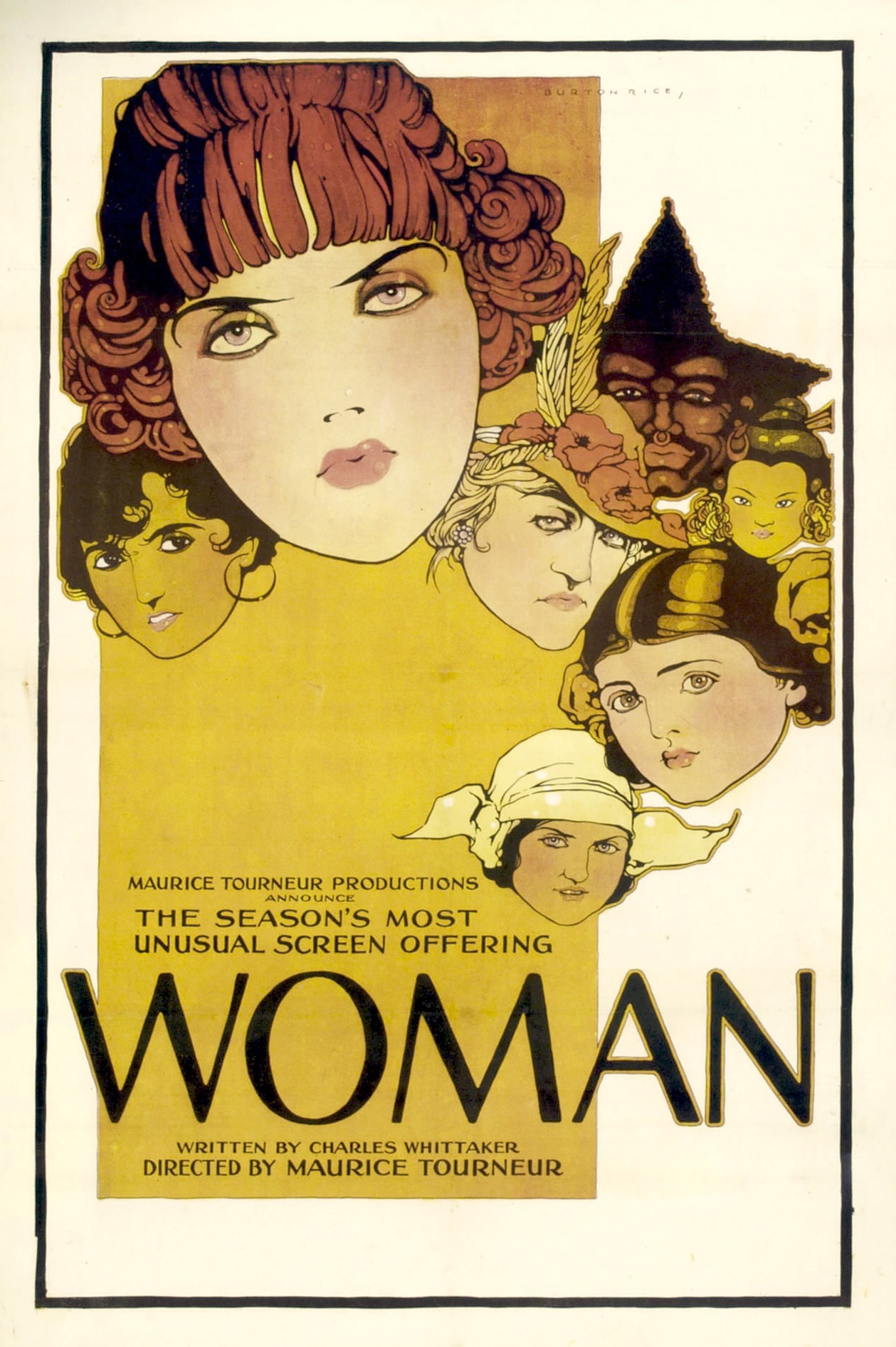
The outsider archetype also flourished. Characters who were misunderstood, ostracized, or forced to live unconventional lives resonated with audiences seeking something different. Whether it was a detective going undercover as a 'lone hand' or an individual grappling with a dark family legacy, these figures embodied a spirit of rebellion against the mundane. Even comedies often featured characters who were social misfits or who challenged prevailing notions of 'fashionable' behavior, finding humor in non-conformity. This embrace of the strange, the outcast, and the morally ambiguous laid the emotional and thematic groundwork for the anti-heroes and fringe characters that populate so much of cult cinema.
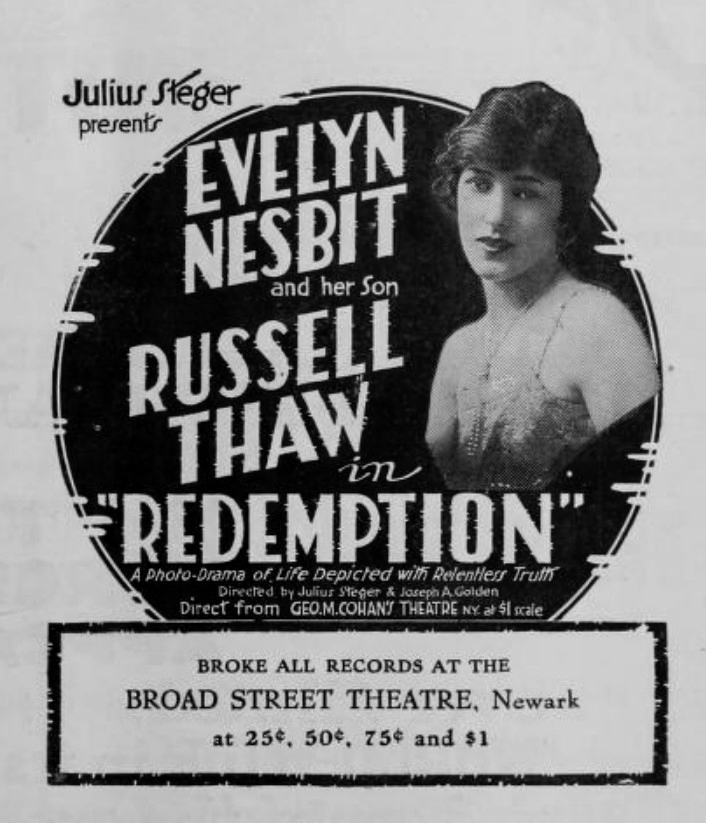
From Spectacle to Shared Experience: The Genesis of Fandom
Beyond the narratives themselves, the very act of early cinema viewing contributed to the nascent cult experience. Going to the nickelodeon or the picture palace was a novel, almost ritualistic event. Audiences gathered in darkened rooms, mesmerized by flickering images that transported them to other worlds. This collective experience, shared in real-time, fostered a sense of community and communal appreciation. When a particularly strange, shocking, or emotionally resonant film graced the screen, it sparked conversations, debates, and a shared sense of wonder that transcended mere entertainment.
While not yet the participatory 'midnight movie' rituals we associate with later cult films, these early screenings were undoubtedly the crucible where devoted fandom began to form. Audiences would discuss the latest 'great romance' or the complex 'question' posed by a dramatic narrative. They were captivated by the dramatic revelations behind closed doors or the struggles of a 'man of honor' against impossible odds. The shared emotional journey, the collective gasp, the communal laughter – these were the early glimmers of a bond between film and audience that is the very essence of cult cinema. The initial shock, the lingering questions, the sheer unforgettable nature of certain scenes or characters, ensured that some films, even if not critically acclaimed, would live on in the popular imagination.
The Enduring Legacy: Why These Echoes Matter Today
The spirit of early cinema's unconventional narratives continues to echo through the landscape of modern cult films. The willingness to explore the grotesque, the absurd, the morally challenging, and the deeply personal, which characterized so many silent-era productions, finds its direct descendants in contemporary works that defy mainstream sensibilities. Films like Eraserhead, with its surreal industrial nightmare, or Pink Flamingos, with its audacious celebration of depravity, are not just isolated phenomena; they are part of a long lineage of cinematic works that dared to be different.
Consider the recurring themes: the struggle against societal norms, the exploration of hidden identities, the dramatic consequences of forbidden desires, or the sheer spectacle of the unusual. These were not inventions of the post-war counterculture; they were present in the very fabric of film's genesis. An early film depicting a woman's journey through 'maternity' and overcoming fear of childbirth, or a narrative about 'filling his own shoes' in a foreign land, while seemingly conventional, contained the seeds of intense personal struggle and transformative experiences that resonate deeply with cult audiences who seek authenticity and profound emotional engagement, however presented.
The transition from 'caterpillar to butterfly' – a common metaphorical journey – can be seen not just in character arcs, but in the evolution of cinema itself. From its humble, often raw beginnings, film transformed, but its capacity to shock, provoke, and inspire fierce devotion remained. The 'ragged earl' fighting for his legacy, or the 'lady of the photograph' unveiling secrets, are distant cousins to the charismatic villains and anti-heroes that cult audiences adore. They represent a fundamental human fascination with stories that challenge, surprise, and leave an indelible mark.
The Unseen Thread: Connecting Eras of Cinematic Rebellion
Cult cinema is not merely a collection of beloved oddities; it is a continuous thread woven through the entire history of film, connecting disparate eras through a shared spirit of rebellion and unique artistic vision. The early films, with their experimental nature and often sensationalized content, inadvertently laid the groundwork for this enduring appeal. They demonstrated that cinema could be more than just popular entertainment; it could be a mirror reflecting society's anxieties, a window into forbidden desires, or a canvas for the most outlandish flights of imagination. The 'scarlet shadow' of moral judgment, the 'grain of dust' that could upend a life, or the 'evil eye' of superstition – these early narrative devices, however melodramatic, tapped into universal fears and fascinations.
The very concept of a film being 'ahead of its time' or 'misunderstood' is central to the cult narrative, and this phenomenon was present from the earliest days. Films that perhaps didn't find mass appeal upon their initial release, but possessed a unique artistic vision or thematic depth, were often rediscovered by later generations who saw their inherent value. This process of re-evaluation and reclamation is a cornerstone of cult fandom, turning forgotten gems into revered masterpieces. The 'silent battle' of internal conflict, the 'truth' hidden beneath layers of deceit, or the 'midnight wedding' shrouded in mystery – these narratives, even in their brevity or stylistic simplicity, carried a weight that transcended their immediate context.
The films of this pioneering era, though often seen through a historical lens, were anything but tame. They explored themes of social reform, class struggle, and personal redemption with an intensity that could be startling. From the plight of a 'dust'-ridden factory worker to the moral quandaries of a wealthy family, early filmmakers were unafraid to tackle the complexities of human existence. This fearless approach to storytelling, even when constrained by nascent technology, is a vital part of cult cinema's DNA. It teaches us that the desire for challenging, thought-provoking, and often strange cinematic experiences is as old as cinema itself.
In conclusion, cult cinema's enduring mystique is not a modern invention. Its roots stretch back to the very dawn of the moving image, to an era of unbridled experimentation and narrative daring. The early films, with their melodramatic excesses, genre-bending narratives, and explorations of the forbidden, were the unseen architects of this cinematic phenomenon. They fostered a space for the unconventional, nurtured the outsider archetype, and laid the foundations for the passionate, devoted communities that define cult fandom today. By understanding these primitive pulses of rebellion, we gain a deeper appreciation for the rich, complex, and continually evolving tapestry of cult cinema.
Community
Comments
Log in to comment.
Loading comments…