
DbcultAccessing Vault...
Director's Spotlight
Senior Film Conservator
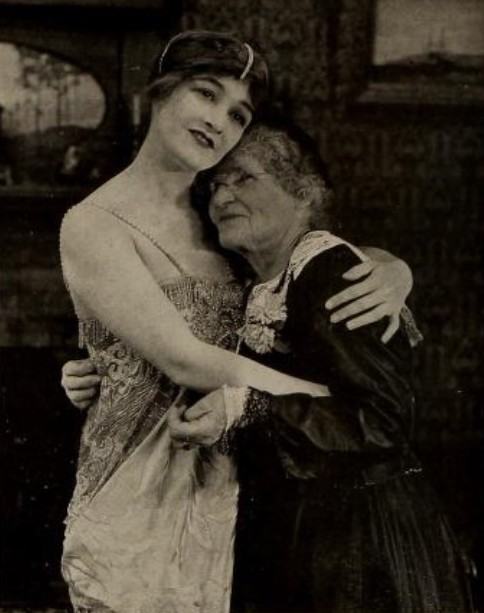
Director's Spotlight: United States
A Deep Dive into the 1918 Vision of Edward LeSaint
To understand the modern evolution of United States film, one must first look at The Strange Woman and the meticulous attention to detail that Edward LeSaint applied to every frame. Reflecting the political and social shifts of the 1918s, it showcases the power of cult as a tool for social commentary.
In The Strange Woman, Edward LeSaint pushes the boundaries of conventional narrative. The film's unique approach to its subject matter has sparked endless debates and interpretations among cinephiles and critics alike.
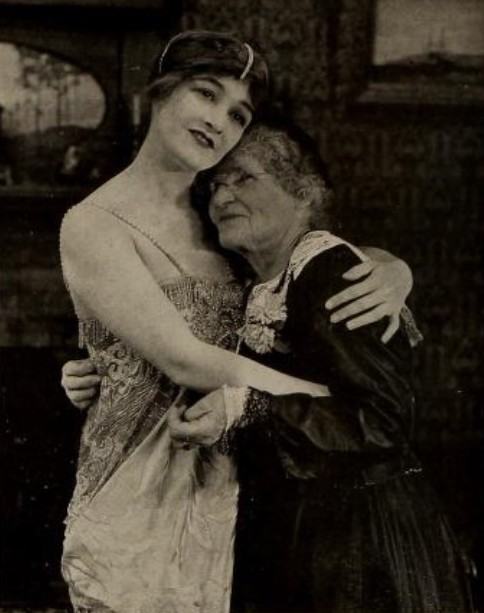
The visual language of The Strange Woman is defined by its use of shadows and framing, a hallmark of Edward LeSaint's style. By utilizing a 1918-era palette, the film creates an immersive experience that perfectly complements its cult themes.
| Cinematography | Noir-Inspired |
| Soundtrack | Synth-Heavy |
| Editing | Disjunctive |
| Art Direction | Baroque |
Visualizing the convergence of Edward LeSaint's style and the core cult narrative.
Inez de Pierrefond's mother forces her to marry a wealthy man who proves to be such a brute that after he is killed in a drunken brawl, Inez swears that she will never marry again. Later, she falls in love with John Hemingway, an Iowan who has come to Paris to study architecture, but when she tells him her views on marriage, he leaves her in shock. His friend, Charles Abbey, convinces him that Inez's ideas are quite logical, and for a time, the two live together in perfect happiness. Upon the couple's return to Delphi, Iowa, however, the town gossips assume that the beautiful and cultured Parisian is an adventuress, and when they learn of her book, Free Love , they call a meeting to inform John's mother of Inez's low character. Hearing of their plan, Inez roundly denounces the villagers as hypocrites and then explains her views to Mrs. Hemingway, who lovingly forgives her. Mrs. Hemingway's tender devotion to her son so moves Inez, however, that she eventually consents to the marriage ceremony.
Decades after its release, The Strange Woman remains a vital piece of the cinematic puzzle. Its influence can be seen in countless modern works, solidifying Edward LeSaint's status as a master of the craft in United States and beyond.