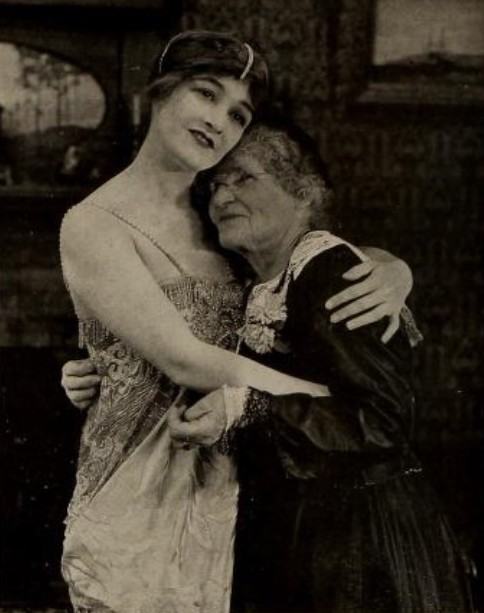
Inez de Pierrefond's mother forces her to marry a wealthy man who proves to be such a brute that after he is killed in a drunken brawl, Inez swears that she will never marry again. Later, she falls in love with John Hemingway, an Iowan who has come to Paris to study architecture, but when she tells him her views on marriage, he leaves her in shock.
Mary McNeil Fenollosa, William Hurlbut, J. Grubb Alexander
United States
Cinema in 1918 was often a battleground between Victorian morality and the burgeoning modernism of the 20th century. *The Strange Woman* stands as a lighthouse in this turbulent sea, casting a harsh, unforgiving glare on the double standards of the American heartland. The Architecture of Trauma and Defiance To unde...
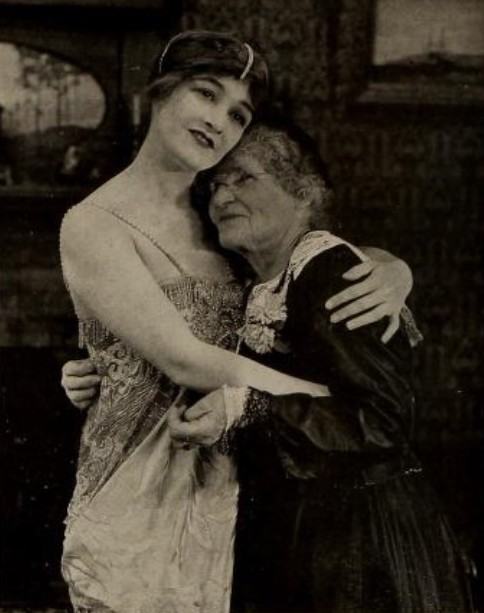
still_frame
Comparing the cinematic DNA and archive impact of two defining moments in cult history.
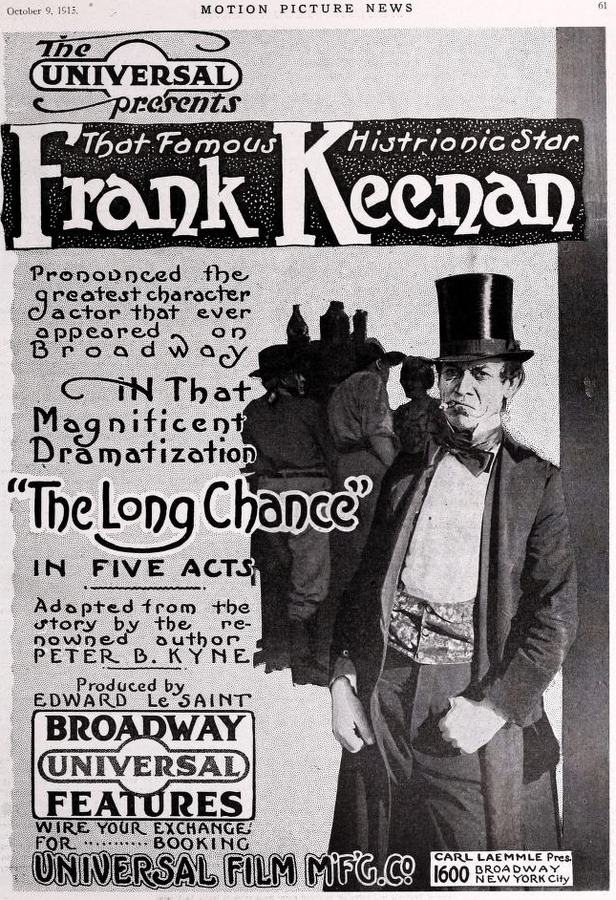
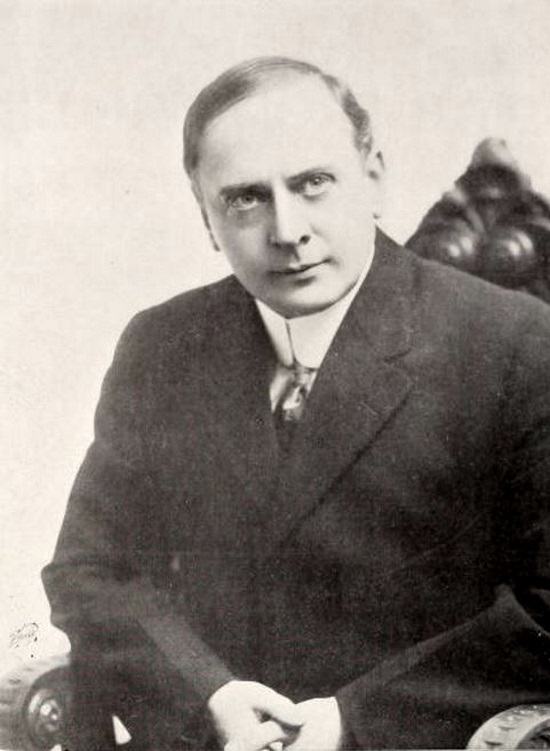
Edward LeSaint
Edward LeSaint
Community
Log in to comment.
" Cinema in 1918 was often a battleground between Victorian morality and the burgeoning modernism of the 20th century. *The Strange Woman* stands as a lighthouse in this turbulent sea, casting a harsh, unforgiving glare on the double standards of the American heartland. The Architecture of Trauma and Defiance To understand Inez de Pierrefond, one must first understand the wreckage from which she emerged. As portrayed by the luminous Gladys Brockwell, Inez is not merely a 'strange' woman; she i..."

Deep dive into the cult classic
Discover similar cinematic experiences
A Directorial Spotlight on Edward LeSaint