
DbcultAccessing Vault...
Director's Spotlight
Senior Film Conservator
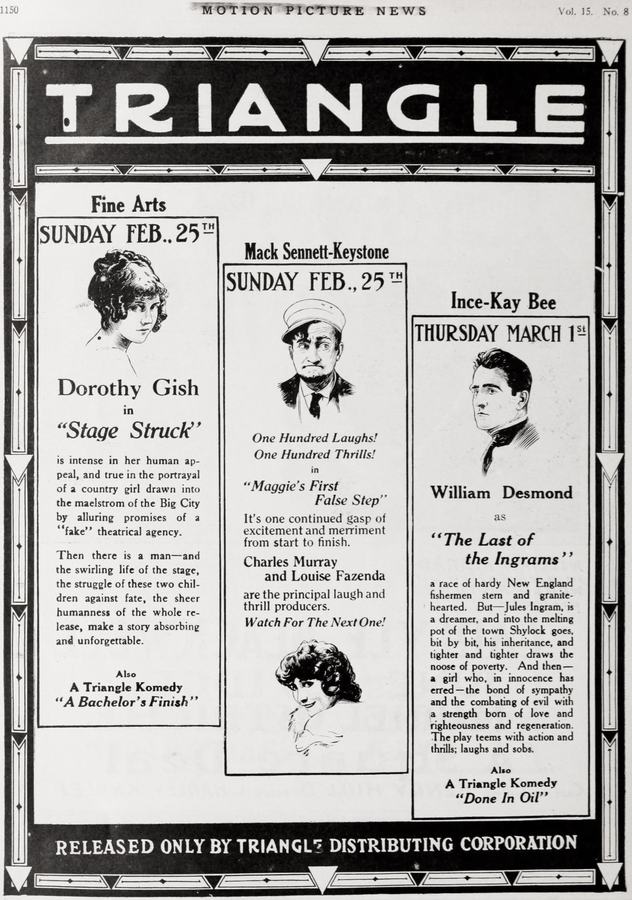
Director's Spotlight: United States
A Deep Dive into the 1917 Vision of Edward Morrissey
The cult DNA of Stage Struck is a reflection of United States's the subversive storytelling techniques employed by Edward Morrissey in 1917. Breaking the traditional rules of cult engagement, it leaves an indelible mark on the soul of the viewer.
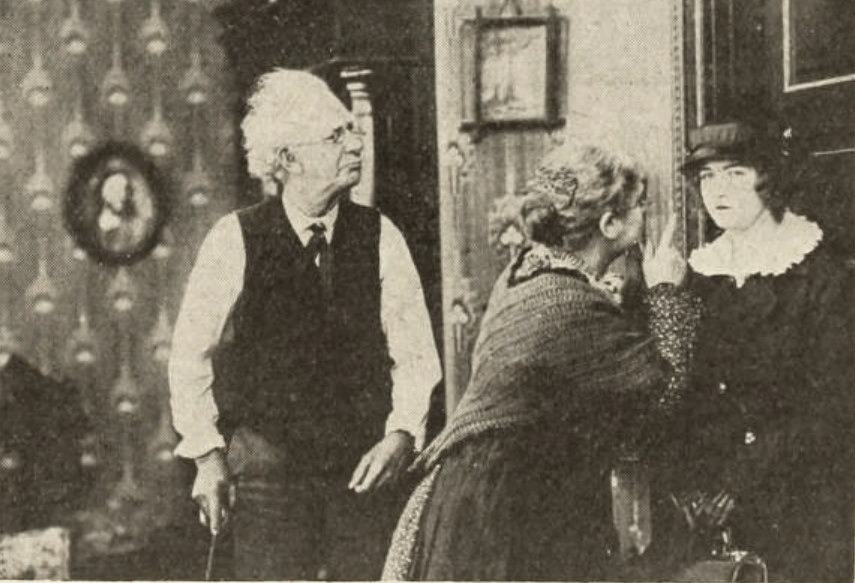
In Stage Struck, Edward Morrissey pushes the boundaries of conventional narrative. The film's unique approach to its subject matter has sparked endless debates and interpretations among cinephiles and critics alike.
| Cinematography | Noir-Inspired |
| Soundtrack | Experimental |
| Editing | Elliptical |
| Art Direction | Expressionist |
Visualizing the convergence of Edward Morrissey's style and the core cult narrative.
In a garish theatrical boardinghouse in New York, orphan Ruth Colby (Dorothy Gish), who taught herself to be an actress through a correspondence course, turns for companionship to Jack Martin, the dissolute cast-off son of wealthy philanthropist Mrs. Martin. The two young people fall in love and are married by "the judge," a derelict Justice of the Peace. Shortly thereafter, Ruth leaves on a dreadful theatrical tour. When she returns she finds the boardinghouse closed and Jack gone. She is then befriended by Mrs. Martin, who is indignant that Ruth has been deserted by her husband. However, when Jack and Ruth are reunited and Mrs. Martin learns that the girl's missing husband is none other than her son, the dowager is mortified by the fact that her son has married a commoner and seeks to have the marriage annulled. When Ruth reforms Jack, turning him into an upstanding young man, however, Mrs. Morgan accepts Ruth as her daughter-in-law and all ends happily.
Decades after its release, Stage Struck remains a vital piece of the cinematic puzzle. Its influence can be seen in countless modern works, solidifying Edward Morrissey's status as a master of the craft in United States and beyond.