
DbcultAccessing Vault...
Director's Spotlight
Senior Film Conservator
Director's Spotlight: United States
A Deep Dive into the 1916 Vision of Edward Morrissey
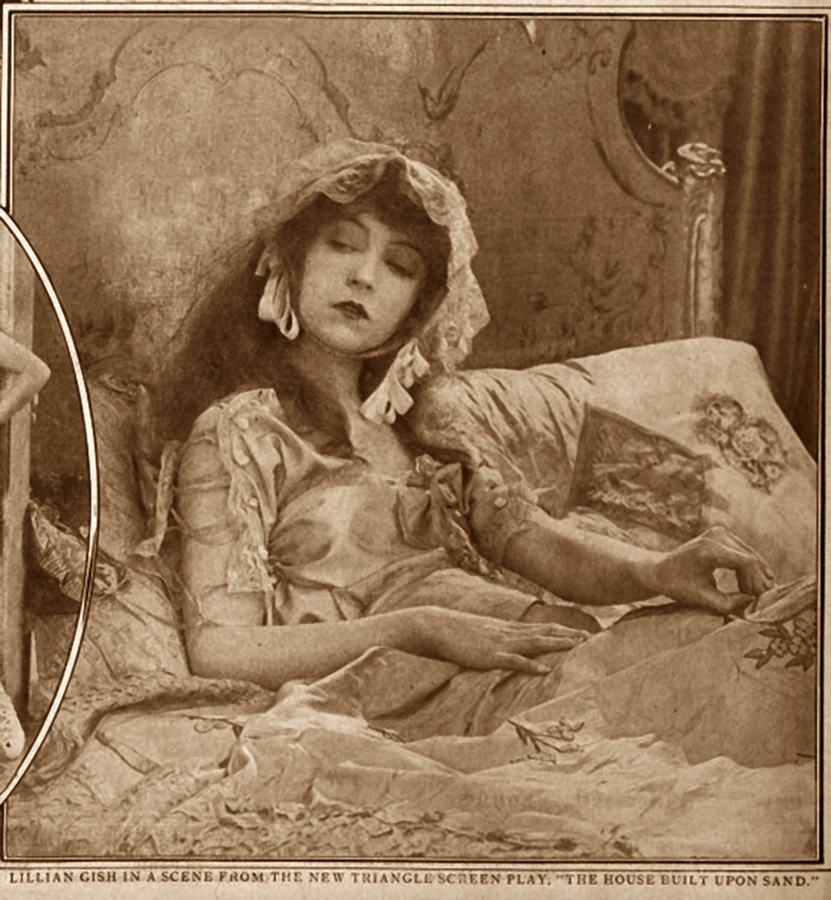
The artistic breakthrough represented by The House Built Upon Sand in 1916 highlights the uncompromising vision of Edward Morrissey that defines this cult masterpiece. In the context of United States's rich cinematic history, it captures a specific kind of cinematic magic that is rarely replicated.
In The House Built Upon Sand, Edward Morrissey pushes the boundaries of conventional narrative. The film's unique approach to its subject matter has sparked endless debates and interpretations among cinephiles and critics alike.
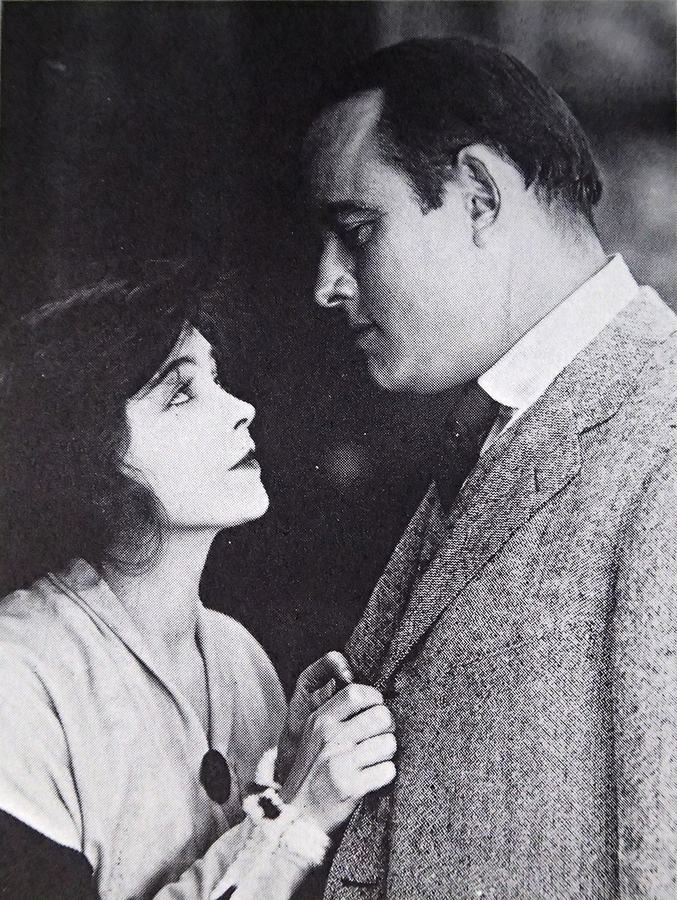
To fully appreciate The House Built Upon Sand, one must consider the cinematic climate of 1916. During this period, United States was undergoing significant artistic shifts, and Edward Morrissey was at the forefront of this cult movement, often challenging established norms.
| Cinematography | High-Contrast |
| Soundtrack | Orchestral |
| Editing | Invisible |
| Art Direction | Kitsch |
Visualizing the convergence of Edward Morrissey's style and the core cult narrative.
Evelyn Dare is a butterfly of fashion. David Westebrooke, her fiancé, is an altruist interested in sociology. He has made his home in the factory town of Oreville, where he works among his employees as factory manager. The two young people were affianced by their parents, and although they have not seen each other for a number of years they are strongly attracted to each other and have no desire to break the engagement. When David discovers that Evelyn plans an elaborate wedding and that he is scheduled to appear at a series of smart social functions, he rebels. Through his attorney, he arranges a marriage, and afterward tells his wife that she is to accompany him to their home and telegraph her friends that she has run away. Evelyn opposes chis, but David is firm. He takes her to their home in the factory town and there orders his housekeeper to take away her useless clothes and to supply those befitting the wife of a factory manager. For some time Evelyn is miserable. Finally she becomes interested in the life of the factory town and starts a woman's club for the benefit of the factory workers. David maintains a club for the men of the town, but they change it into a gambling den. Complications arise when the men become angry because their women folk also have a club. This is aggravated when Ted, the husband of Josie, a mill-hand, returns from a term in prison and proceeds to poison Evelyn's mind against her husband. The men's club is burned down and David saves both Ted and Josie from the burning building. In the meantime Evelyn returns to her home, taking Josie's baby with her. After a time Ted, becoming conscience-smitten, goes to Evelyn and tells her the truth. David becomes lonely for his wife and leaves the factory town. There follows a reconciliation between him and Evelyn, the latter promising to assist him in his work, not only for love of him, but also because she is now interested in the people of the factory.
Decades after its release, The House Built Upon Sand remains a vital piece of the cinematic puzzle. Its influence can be seen in countless modern works, solidifying Edward Morrissey's status as a master of the craft in United States and beyond.