
DbcultAccessing Vault...
Director's Spotlight
Senior Film Conservator
Director's Spotlight: United States
A Deep Dive into the 1915 Vision of Edwin Carewe
The evocative power of The Final Judgment stems from the unique collaboration between the bold experimentation that has become synonymous with Edwin Carewe. Framed by the hauntingly beautiful landscapes of the production, it echoes the profound changes occurring in United States during that era.
In The Final Judgment, Edwin Carewe pushes the boundaries of conventional narrative. The film's unique approach to its subject matter has sparked endless debates and interpretations among cinephiles and critics alike.
While deeply rooted in United States, The Final Judgment has achieved a global reach, influencing directors from various backgrounds. Its ability to translate cult tropes into a universal cinematic language is why it remains a cult staple decades after its 1915 release.
| Cinematography | Static |
| Soundtrack | Synth-Heavy |
| Editing | Rhythmic |
| Art Direction | Naturalist |
Visualizing the convergence of Edwin Carewe's style and the core cult narrative.
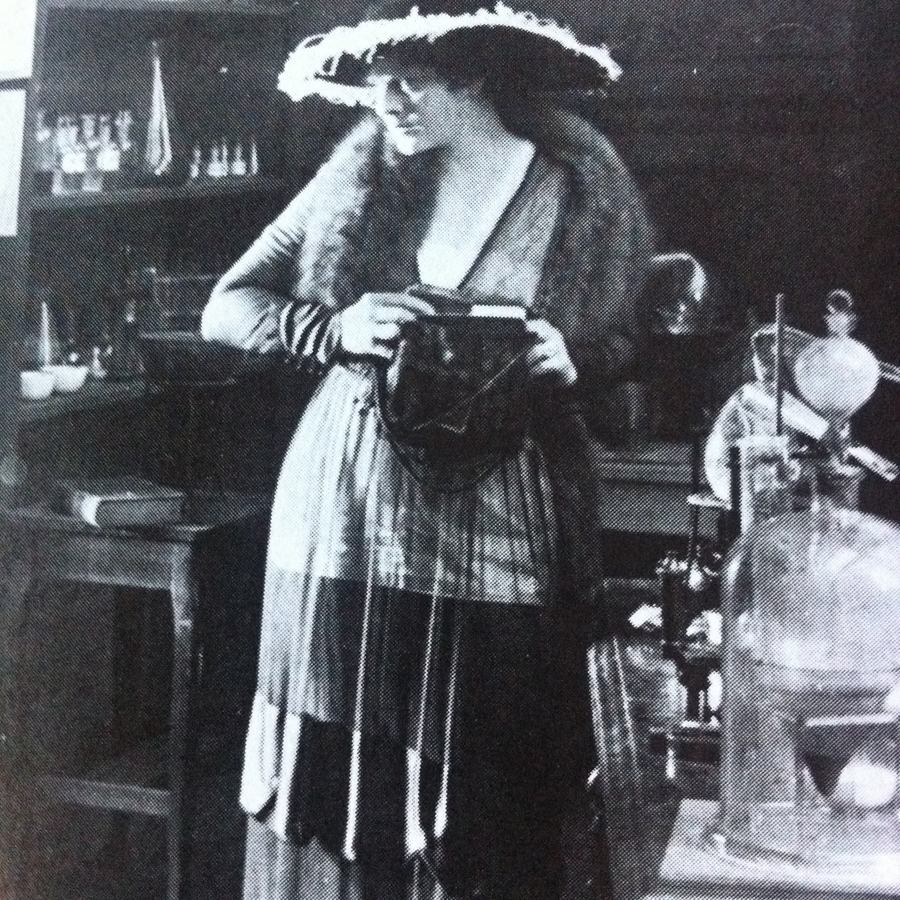
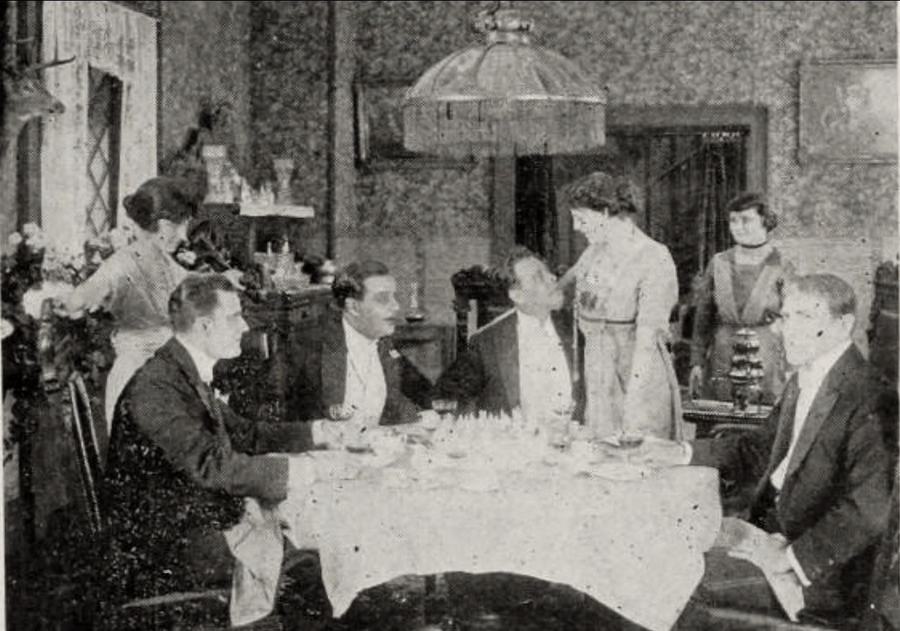
Actress Jane Carleson has three admirers: Henry Strong (a millionaire), Hamilton Ross (a chemist), and Murray Campbell (a district attorney). When Jane weds Campbell, Ross writes an anonymous letter to Campbell, warning him that Strong is after his wife. Ross smears the flap of the envelope with poison. However, Strong is the one who opens the envelope, and dies from the poison. Since Campbell and Strong had quarreled just before the arrival of the letter, Campbell is convicted of the murder. Jane must expose the true murderer and save her husband.
Decades after its release, The Final Judgment remains a vital piece of the cinematic puzzle. Its influence can be seen in countless modern works, solidifying Edwin Carewe's status as a master of the craft in United States and beyond.