
DbcultAccessing Vault...
Director's Spotlight
Senior Film Conservator
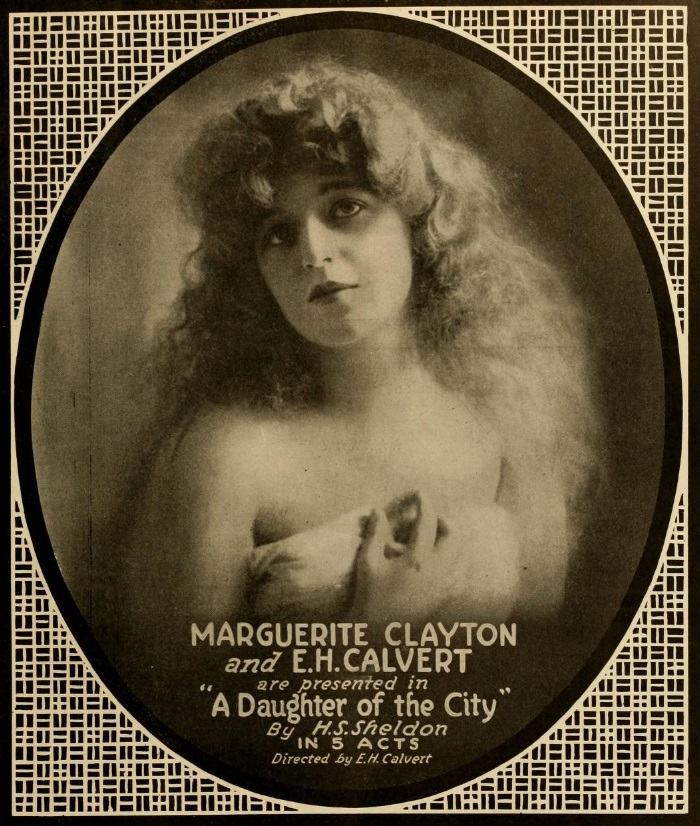
Director's Spotlight: United States
A Deep Dive into the 1915 Vision of E.H. Calvert
The brilliance of A Daughter of the City (1915) is inseparable from the visionary mind of its creator, E.H. Calvert. Serving as a mirror to the anxieties of a changing world, it persists as a haunting reminder of our own cinematic history.
In A Daughter of the City, E.H. Calvert pushes the boundaries of conventional narrative. The film's unique approach to its subject matter has sparked endless debates and interpretations among cinephiles and critics alike.
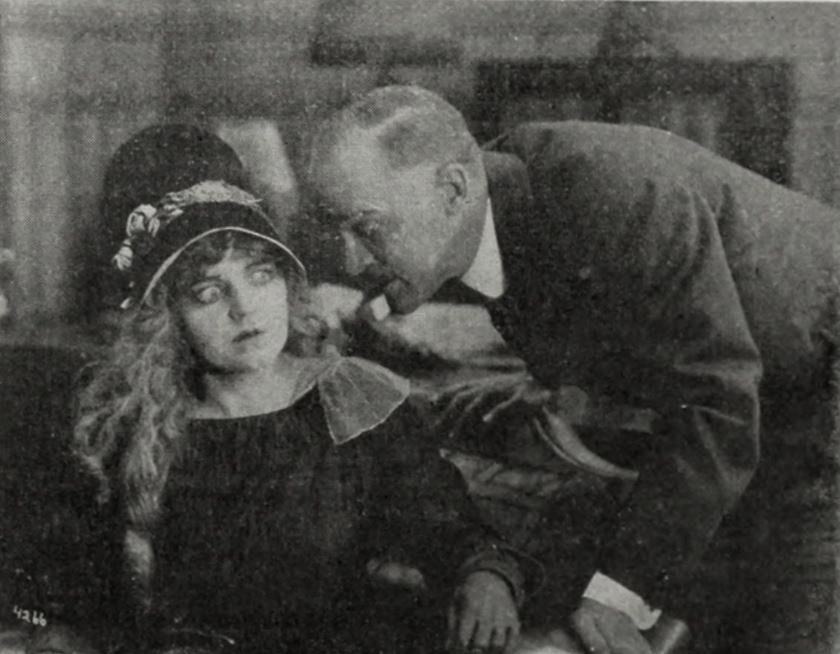
The visual language of A Daughter of the City is defined by its use of shadows and framing, a hallmark of E.H. Calvert's style. By utilizing a 1915-era palette, the film creates an immersive experience that perfectly complements its cult themes.
| Cinematography | Deep Focus |
| Soundtrack | Synth-Heavy |
| Editing | Rhythmic |
| Art Direction | Naturalist |
Visualizing the convergence of E.H. Calvert's style and the core cult narrative.
Margaret Fowler is a daughter of the city. Her mother, mean and avaricious, ground down to poverty, is willing to sacrifice her daughter's happiness and love for wealth and position. The girl longs for the beautiful things of life. Prompted by her own mother's pleadings, she turns her back on love. But her heart is pure and she shrinks back in horror from the lure of evil when it confronts her, although it wears a golden mien. She sees behind the mask of the man who pretends he wishes to befriend her. But she knows not which way to turn. Her sweetheart, however, unknown to her, steps in to protect her. Through the aid of a good woman he succeeds in saving her. She discovers at last that happiness lies only with the man she loves.
Decades after its release, A Daughter of the City remains a vital piece of the cinematic puzzle. Its influence can be seen in countless modern works, solidifying E.H. Calvert's status as a master of the craft in United States and beyond.