
DbcultAccessing Vault...
Director's Spotlight
Senior Film Conservator
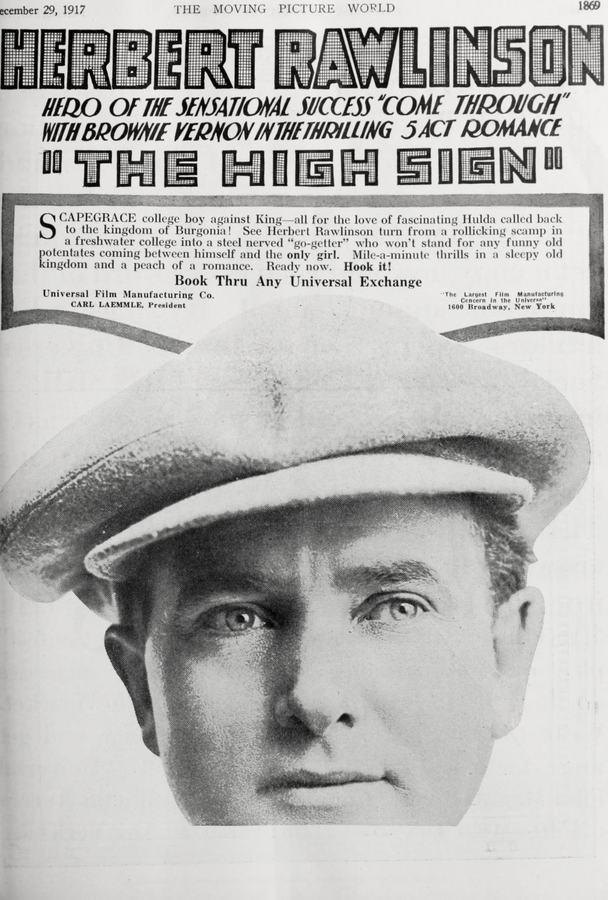
Director's Spotlight: United States
A Deep Dive into the 1917 Vision of Elmer Clifton
As we revisit the 1917 masterpiece The High Sign, we are struck by the meticulous attention to detail that Elmer Clifton applied to every frame. Anchored by a narrative that is both personal and universal, it bridges the gap between traditional cult and contemporary vision.
In The High Sign, Elmer Clifton pushes the boundaries of conventional narrative. The film's unique approach to its subject matter has sparked endless debates and interpretations among cinephiles and critics alike.
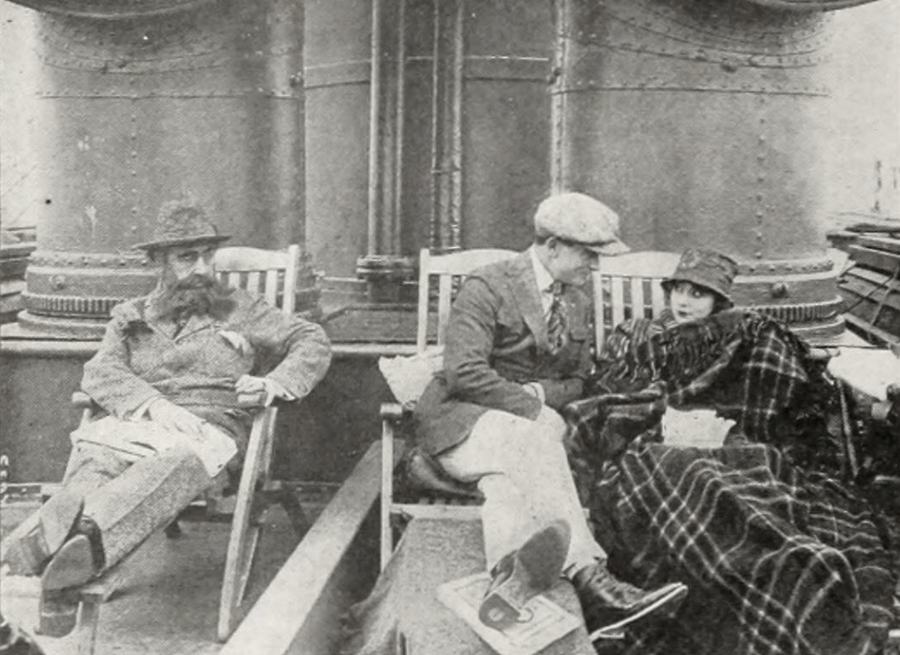
While deeply rooted in United States, The High Sign has achieved a global reach, influencing directors from various backgrounds. Its ability to translate cult tropes into a universal cinematic language is why it remains a cult staple decades after its 1917 release.
| Cinematography | Handheld |
| Soundtrack | Synth-Heavy |
| Editing | Rhythmic |
| Art Direction | Naturalist |
Visualizing the convergence of Elmer Clifton's style and the core cult narrative.
In order to be admitted to his school fraternity, David Bruce is told to impersonate a Balkan prince. In that guise, Bruce leaves for the prince's tiny principality. En route, he becomes involved with a gang of anarchists who order him to kill the prince he is supposed to be impersonating. After escaping from the anarchists, Bruce arrives at the Balkan state and learns that he is to marry a princess from a neighboring land. Bruce willingly agrees to the ceremony when he learns that the princess is Hulda Maroff, the college coed with whom he fell in love back home. After the marriage, the anarchists arrive to kill Bruce and his bride, but they escape. At that moment, the telephone rings and awakens Bruce from his dream. On the line is Hulda, calling for help. Bruce rounds up his college chums, goes to Hulda's rescue and the two are married.
Decades after its release, The High Sign remains a vital piece of the cinematic puzzle. Its influence can be seen in countless modern works, solidifying Elmer Clifton's status as a master of the craft in United States and beyond.