
DbcultAccessing Vault...
Director's Spotlight
Senior Film Conservator
Director's Spotlight: Spain
A Deep Dive into the 1926 Vision of Enrique Ponsa
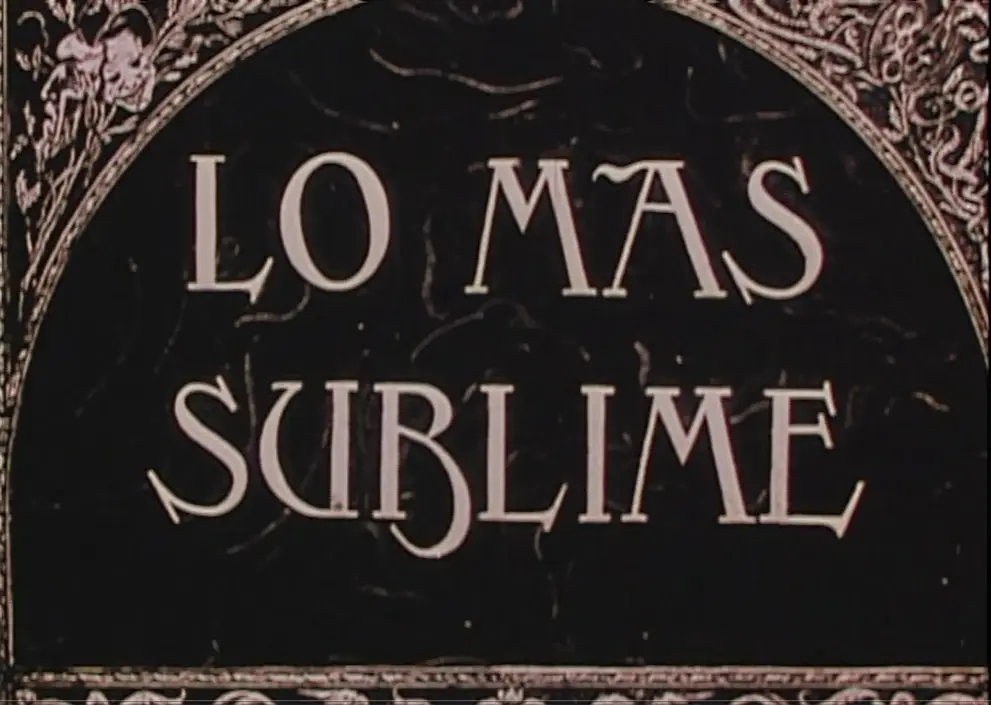
Analyzing Lo más sublime (1926) requires a deep dive into the defining moment in Drama history that Enrique Ponsa helped create. Defining a new era of Spain artistic expression, it transcends regional boundaries to tell a universal story.
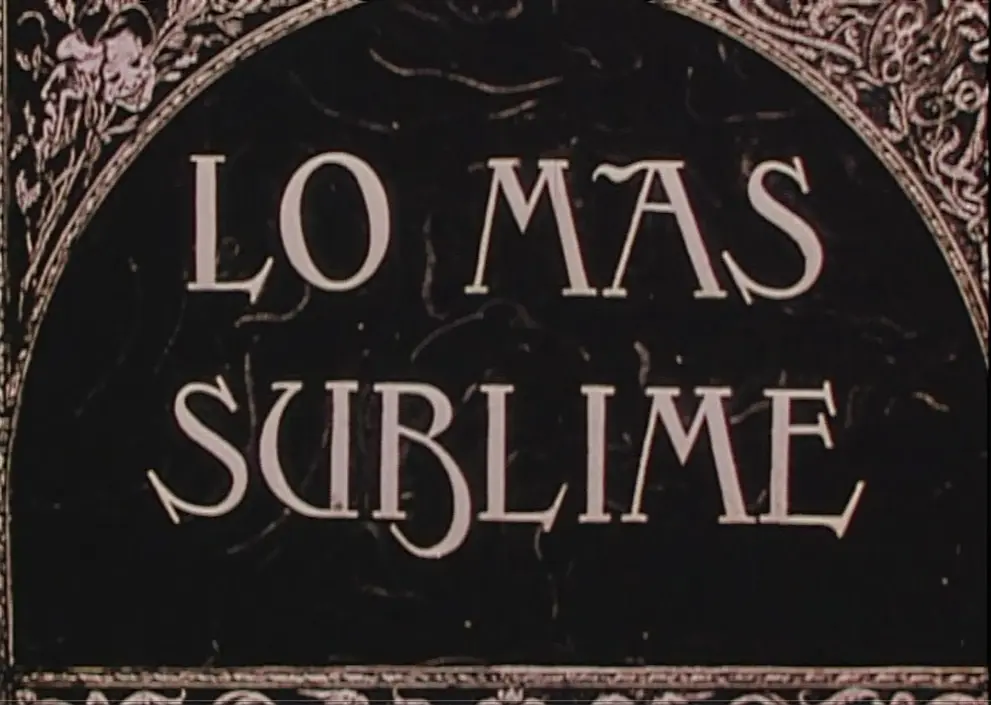
In Lo más sublime, Enrique Ponsa pushes the boundaries of conventional narrative. The film's unique approach to its subject matter has sparked endless debates and interpretations among cinephiles and critics alike.
| Cinematography | High-Contrast |
| Soundtrack | Orchestral |
| Editing | Invisible |
| Art Direction | Kitsch |
Visualizing the convergence of Enrique Ponsa's style and the core Drama narrative.
In San Cebrian , a coastal village, Rosa hoped the return of her fisherman husband Juan, with her daughter Nuri and her godson Sardinilla, but they found him dead after storm. Friends of the family, Antonio and Rosita, with Sardinilla decide to look for a treasure with the help of a map that kept Rosita. His enemies, Tomas and Andres, try to take it by deception. Andres, plus interest in Rosita, the beloved of Antonio, is a victim of Tomás greed's but, when he's wounded, Antonio and Sardinilla return him to the good track.
Decades after its release, Lo más sublime remains a vital piece of the cinematic puzzle. Its influence can be seen in countless modern works, solidifying Enrique Ponsa's status as a master of the craft in Spain and beyond.