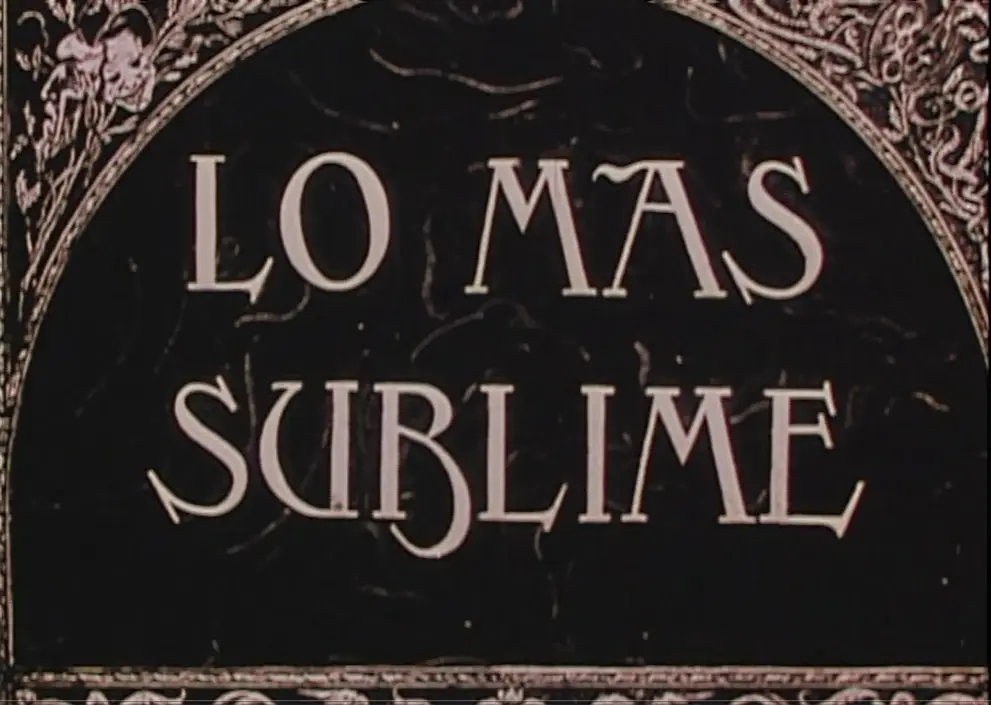
In San Cebrian , a coastal village, Rosa hoped the return of her fisherman husband Juan, with her daughter Nuri and her godson Sardinilla, but they found him dead after storm. Friends of the family, Antonio and Rosita, with Sardinilla decide to look for a treasure with the help of a map that kept Rosita.
Short answer: yes, but only if you possess the patience for the deliberate pacing of early 20th-century regional cinema. For the casual viewer, the stylistic hurdles may be high, but for the historian, it is an essential piece of the Spanish silent era.This film is for the cinephile who finds beauty in the grain of old...
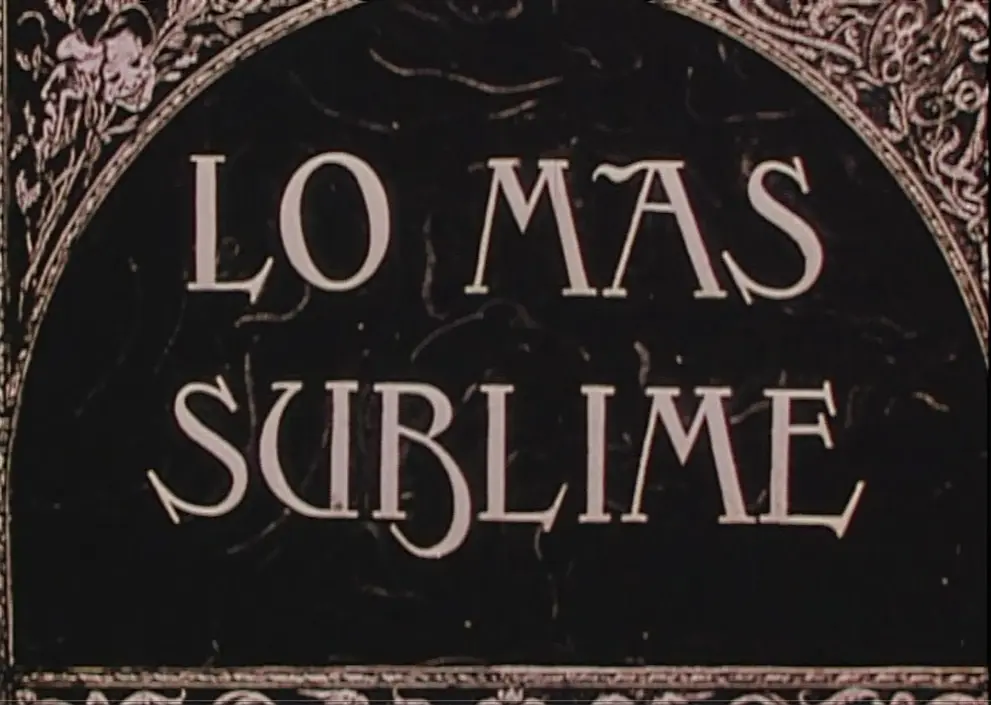
still_frame
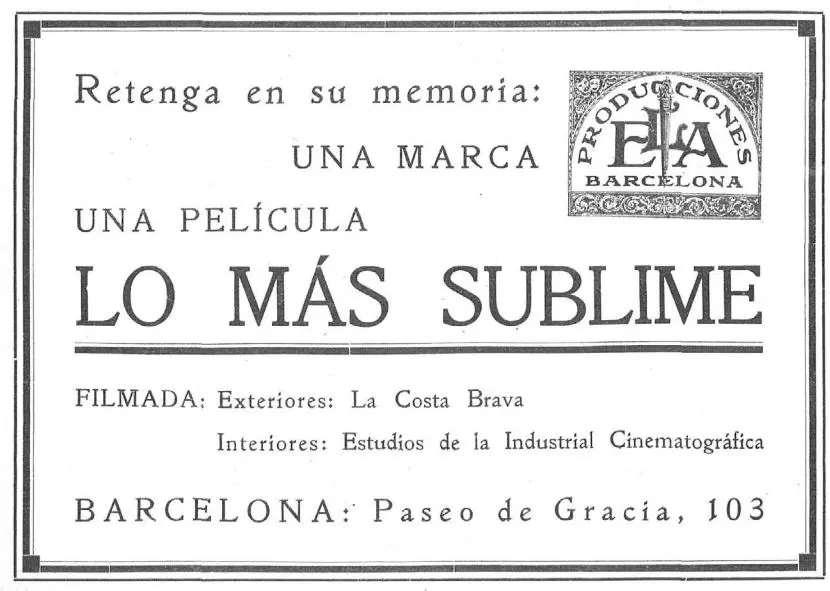
publicity

Comparing the cinematic DNA and archive impact of two defining moments in cult history.
Enrique Ponsa

Dallas M. Fitzgerald
Community
Log in to comment.
"Short answer: yes, but only if you possess the patience for the deliberate pacing of early 20th-century regional cinema. For the casual viewer, the stylistic hurdles may be high, but for the historian, it is an essential piece of the Spanish silent era.This film is for the cinephile who finds beauty in the grain of old celluloid and the earnestness of pre-sound acting. It is NOT for anyone seeking a fast-paced thriller or modern narrative polish.The Core Verdict1) This film works because it grou..."
Enrique Ponsa
Spain
1920 · IMDb —
Alexander Butler