
DbcultAccessing Vault...
Director's Spotlight
Senior Film Conservator
Director's Spotlight: United States
A Deep Dive into the 1916 Vision of Ernest C. Warde
Witnessing the stylistic transformation of cult through Hidden Valley reveals the global recognition that Ernest C. Warde garnered after the release of Hidden Valley. Serving as a mirror to the anxieties of a changing world, offering layers of thematic complexity that demand repeated viewing.
In Hidden Valley, Ernest C. Warde pushes the boundaries of conventional narrative. The film's unique approach to its subject matter has sparked endless debates and interpretations among cinephiles and critics alike.
| Cinematography | High-Contrast |
| Soundtrack | Orchestral |
| Editing | Invisible |
| Art Direction | Kitsch |
Visualizing the convergence of Ernest C. Warde's style and the core cult narrative.
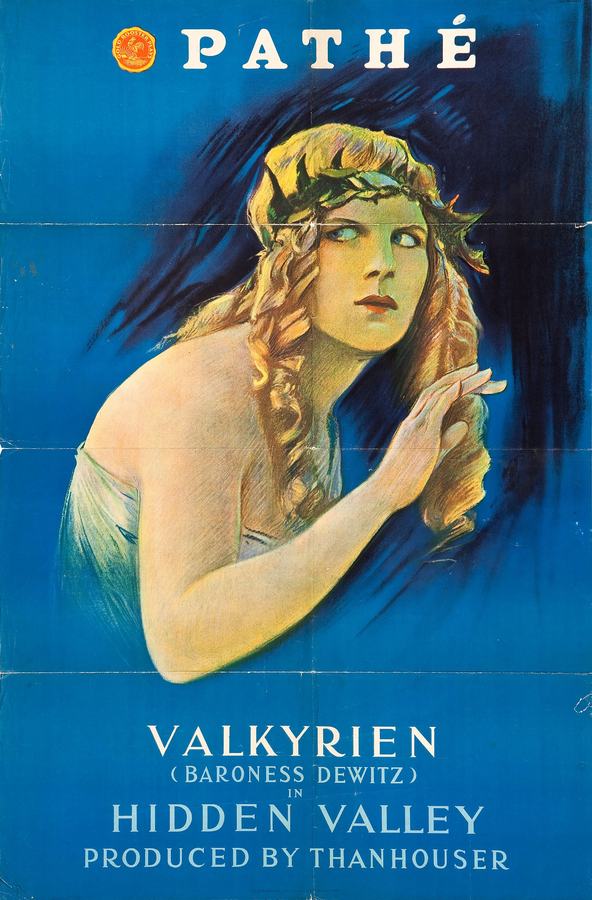
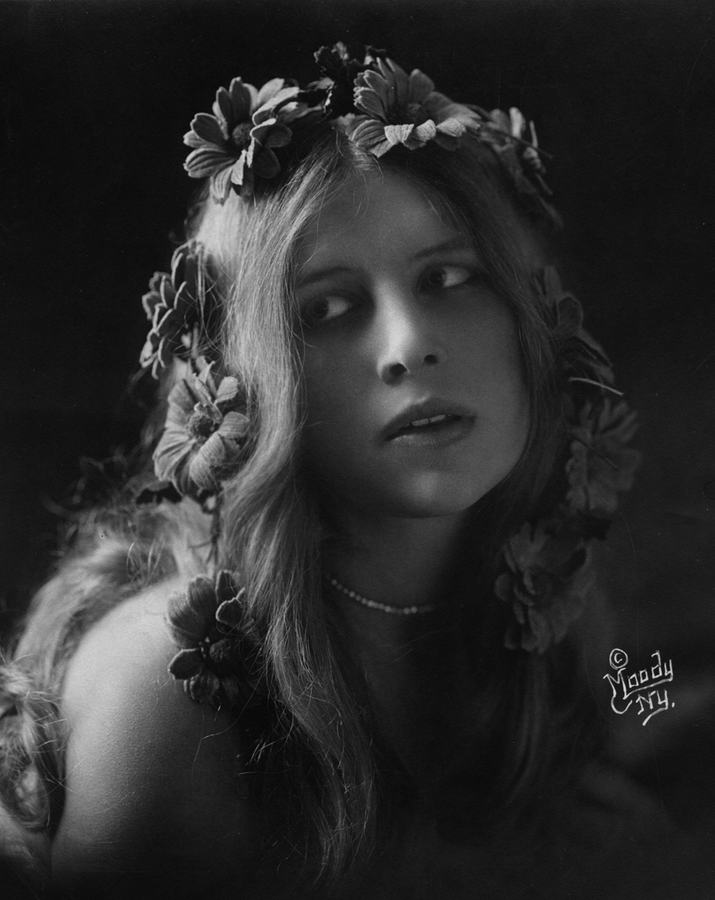
"In Hidden Valley," Valkyrien is a white goddess who has been captured by savage blacks in South Africa. She is found by a young missionary, played by Boyd Marshall, and rescued from a sacrificial altar. Valkyrien was selected as the most perfectly formed girl in Denmark in a competition conducted by the government. The dance of the white goddess before the natives is one of the most beautiful scenes in the production. The Moving Picture World, August 5, 1916.
Decades after its release, Hidden Valley remains a vital piece of the cinematic puzzle. Its influence can be seen in countless modern works, solidifying Ernest C. Warde's status as a master of the craft in United States and beyond.