
DbcultAccessing Vault...
Director's Spotlight
Senior Film Conservator
Director's Spotlight: United States
A Deep Dive into the 1918 Vision of Ernest C. Warde
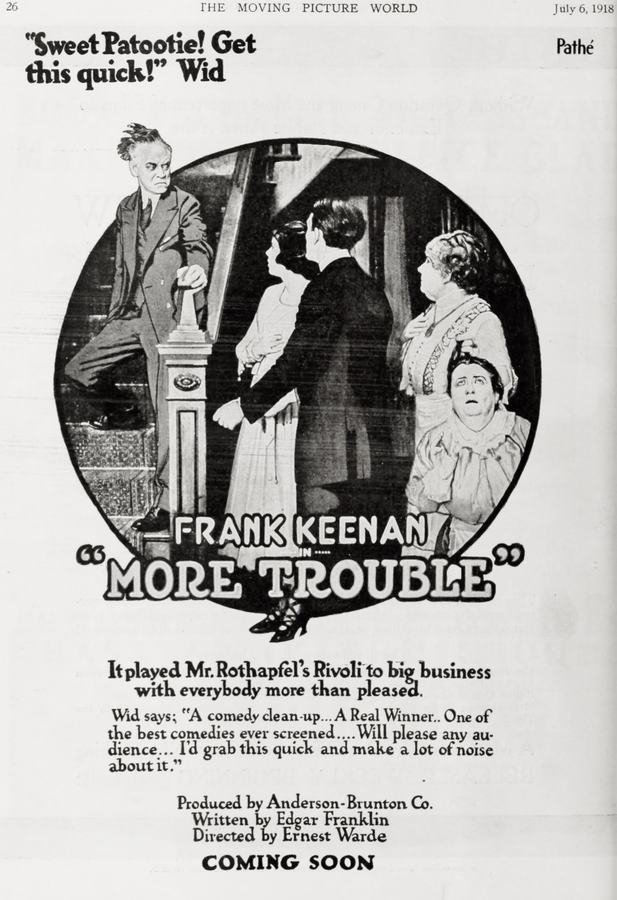
The thematic gravity of More Trouble (1918) is rooted in the artistic risks taken by Ernest C. Warde that eventually paid off. Defining a new era of United States artistic expression, it demands to be seen by anyone who cares about the art of film.
In More Trouble, Ernest C. Warde pushes the boundaries of conventional narrative. The film's unique approach to its subject matter has sparked endless debates and interpretations among cinephiles and critics alike.
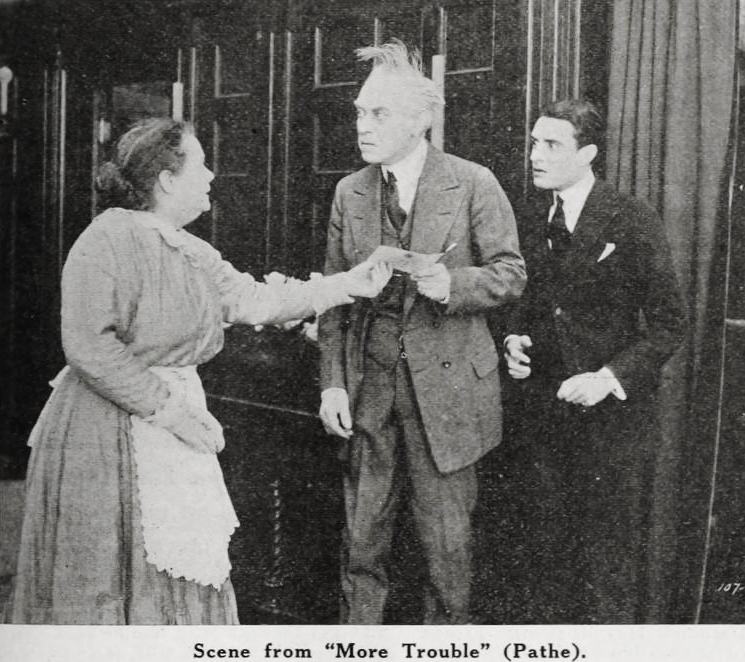
In this work, Ernest C. Warde explores the intersection of cult and United States cultural identity. The meticulous attention to detail suggests a deep-seated commitment to pushing the boundaries of the medium, ensuring that More Trouble remains a relevant topic of study for cult enthusiasts.
| Cinematography | Deep Focus |
| Soundtrack | Diegetic |
| Editing | Elliptical |
| Art Direction | Expressionist |
Visualizing the convergence of Ernest C. Warde's style and the core cult narrative.
Lemuel Deering's son Harvey graduates from college at the top of his class, then returns home to become a partner in his father's steel business. Because Harvey appears to be an exemplary young man who neither drinks nor smokes, when bills from liquor dealers, tobacconists, and billiard emporia pour in, the proud father is mystified. Harvey stoutly denies having contracted the bills, including one for $25,000, and Lemuel, though puzzled, believes him until the workers threaten to strike and the bank places an attachment on the mill. Lemuel is about to disown his son when Harold Morrowton, Harvey's college roommate, confesses that he forged Harvey's name to the bills because his own father refused to give him spending money, and Harvey adds that because the two were fraternity brothers, he could not betray Harold's trust. Exasperated, Lemuel orders both young men to pay their debts through hard labor in the mill.
Decades after its release, More Trouble remains a vital piece of the cinematic puzzle. Its influence can be seen in countless modern works, solidifying Ernest C. Warde's status as a master of the craft in United States and beyond.