
DbcultAccessing Vault...
Director's Spotlight
Senior Film Conservator
Director's Spotlight: United States
A Deep Dive into the 1925 Vision of Ernst Laemmle
Exploring the Western underpinnings of The Whip Hand leads us to the stylistic boundaries pushed by Ernst Laemmle during the production. Through a lens of existential fatalism and Western tropes, it continues to spark endless debates among critics and cinephiles alike.
In The Whip Hand, Ernst Laemmle pushes the boundaries of conventional narrative. The film's unique approach to its subject matter has sparked endless debates and interpretations among cinephiles and critics alike.
In this work, Ernst Laemmle explores the intersection of Western and United States cultural identity. The meticulous attention to detail suggests a deep-seated commitment to pushing the boundaries of the medium, ensuring that The Whip Hand remains a relevant topic of study for Western enthusiasts.
| Cinematography | Static |
| Soundtrack | Synth-Heavy |
| Editing | Disjunctive |
| Art Direction | Baroque |
Visualizing the convergence of Ernst Laemmle's style and the core Western narrative.
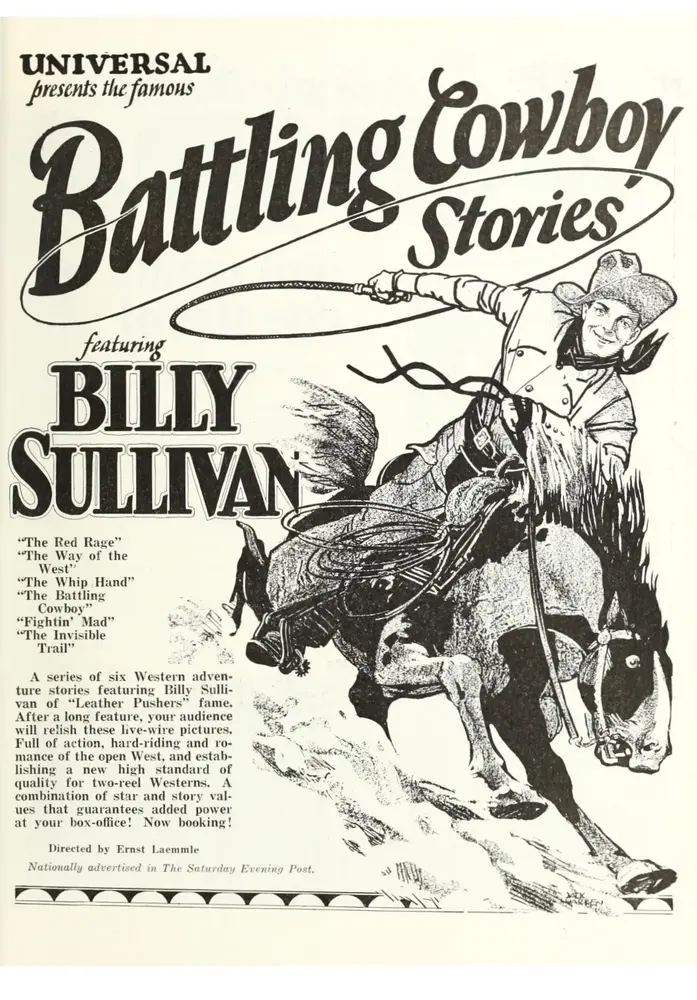
Billy plays an Australian who has difficulty in controlling his fiery temper. It is in the nature of a sequel to "The Red Rage'' reference being made to the incidents covered by that subject. This number shows Billy getting a job on a ranch and falling in love with a girl. His jealousy leads him into a fight during which the villain tries to tempt him to use a gun. He conquers the impulse but becomes so enraged that he thrashes the villain, apologizes to the girl for creating a scene and leaves. He is shown as an expert with using an Australian whip instead of a gun as a weapon.
Decades after its release, The Whip Hand remains a vital piece of the cinematic puzzle. Its influence can be seen in countless modern works, solidifying Ernst Laemmle's status as a master of the craft in United States and beyond.