
DbcultAccessing Vault...
Director's Spotlight
Senior Film Conservator
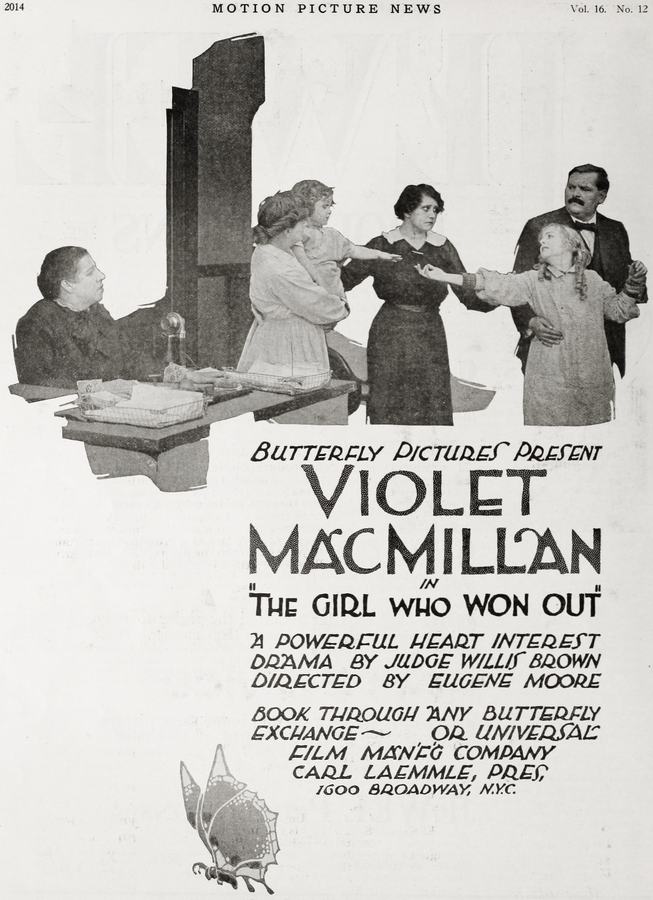
Director's Spotlight: United States
A Deep Dive into the 1917 Vision of Eugene Moore
Few works in United States cinema carry the same weight as The Girl Who Won Out, especially regarding the technical innovation that Eugene Moore introduced to the cult format. Subverting the expectations of the typical 1917 audience, it bridges the gap between traditional cult and contemporary vision.
In The Girl Who Won Out, Eugene Moore pushes the boundaries of conventional narrative. The film's unique approach to its subject matter has sparked endless debates and interpretations among cinephiles and critics alike.
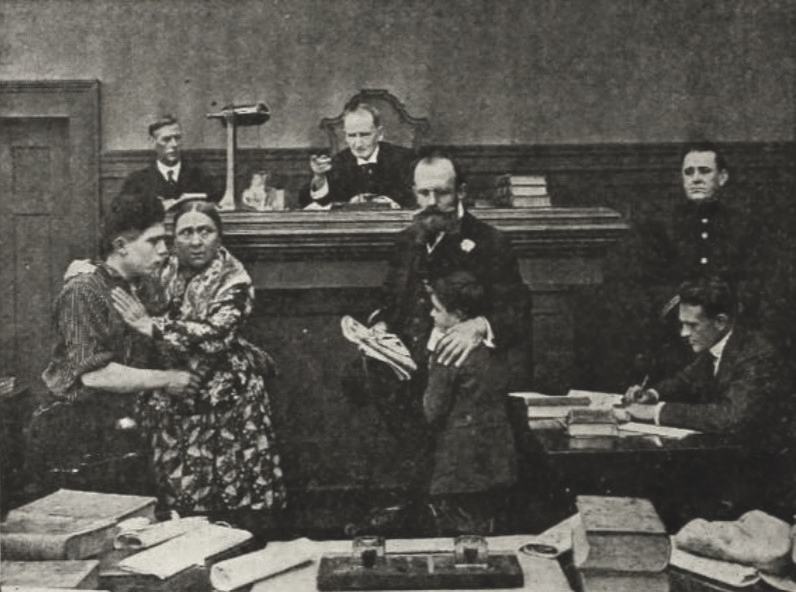
The visual language of The Girl Who Won Out is defined by its use of shadows and framing, a hallmark of Eugene Moore's style. By utilizing a 1917-era palette, the film creates an immersive experience that perfectly complements its cult themes.
| Cinematography | High-Contrast |
| Soundtrack | Orchestral |
| Editing | Invisible |
| Art Direction | Kitsch |
Visualizing the convergence of Eugene Moore's style and the core cult narrative.
Orphaned after the death of their mother, Nancy Grimm and her baby sister Ellen are taken to the country where Ellen is adopted by the wealthy Walsh family. Nancy keenly feels the loss of her sister, and when the judge rules that she cannot visit Ellen without permission, she throws herself onto a bench, winning the sympathy of young attorney Chester Noble. Nancy is then placed in the Wick's home where she is treated as a servant. Miserable, Nancy cuts off her hair and, dressed as a boy, runs away. Learning that Mrs. Walsh has tired of the novelty of having a baby, Nancy goes to the Walsh house and steals Ellen away, but the fugitives are found by the police and returned to the orphanage. Desperate, Nancy goes to Chester and confesses all, and the young attorney agrees to help her. After sending Nancy to his parents in the South, Chester intervenes and convinces the court to put the sisters in the custody of his parents, and thus Ellen and Nancy are finally reunited.
Decades after its release, The Girl Who Won Out remains a vital piece of the cinematic puzzle. Its influence can be seen in countless modern works, solidifying Eugene Moore's status as a master of the craft in United States and beyond.