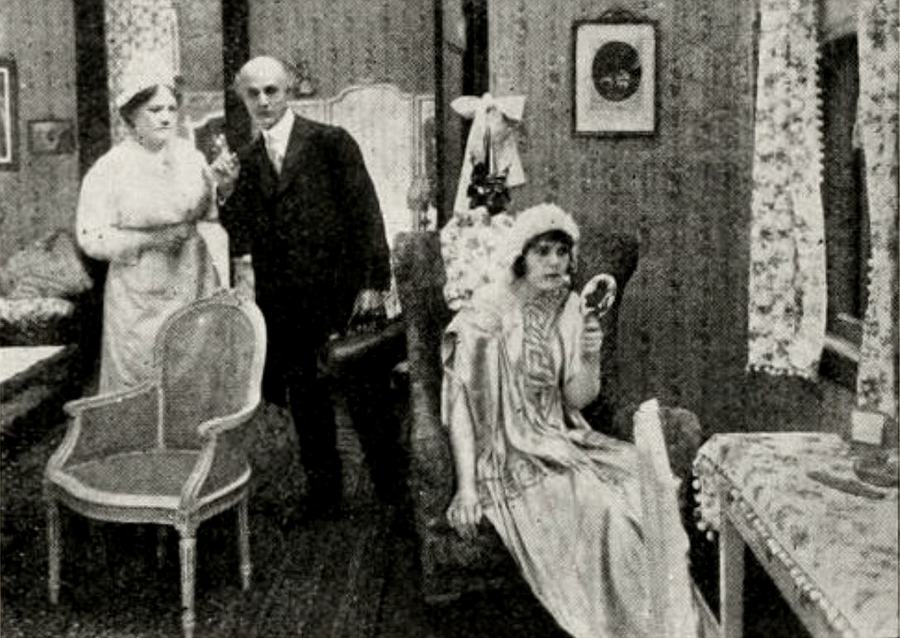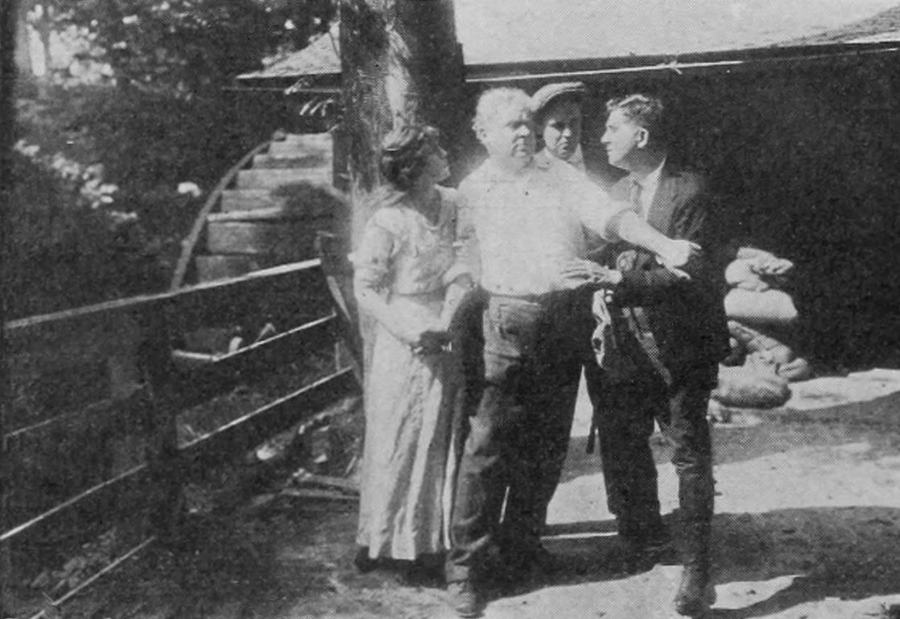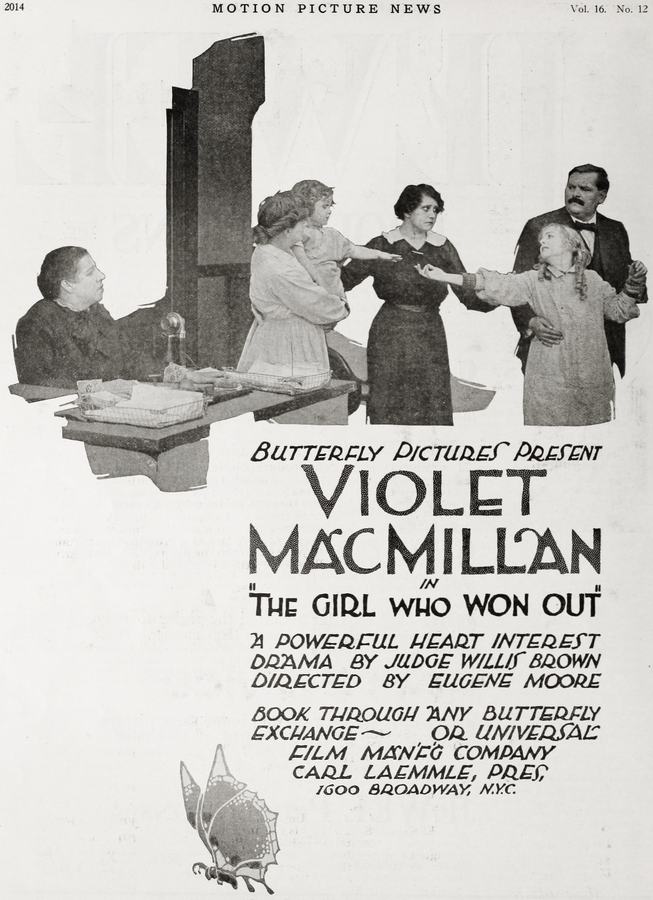
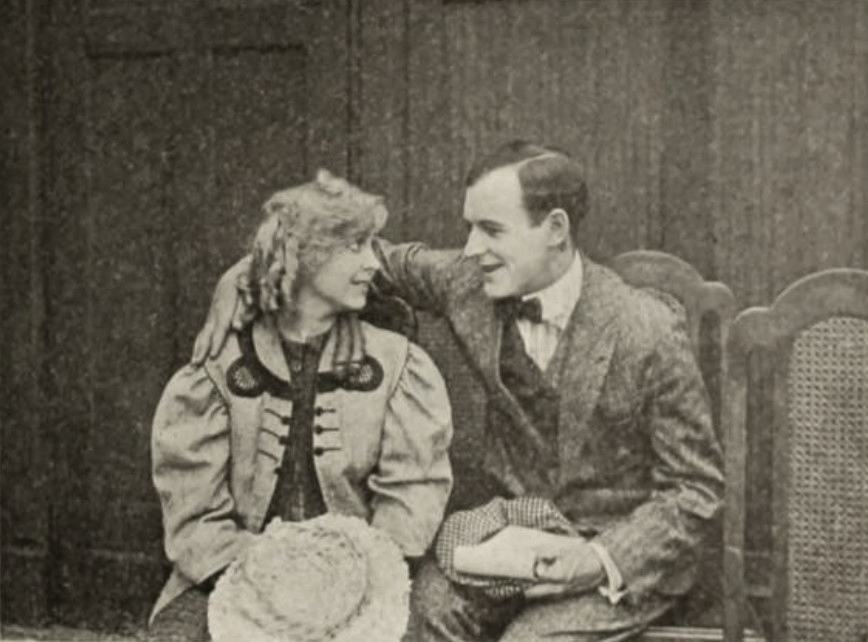
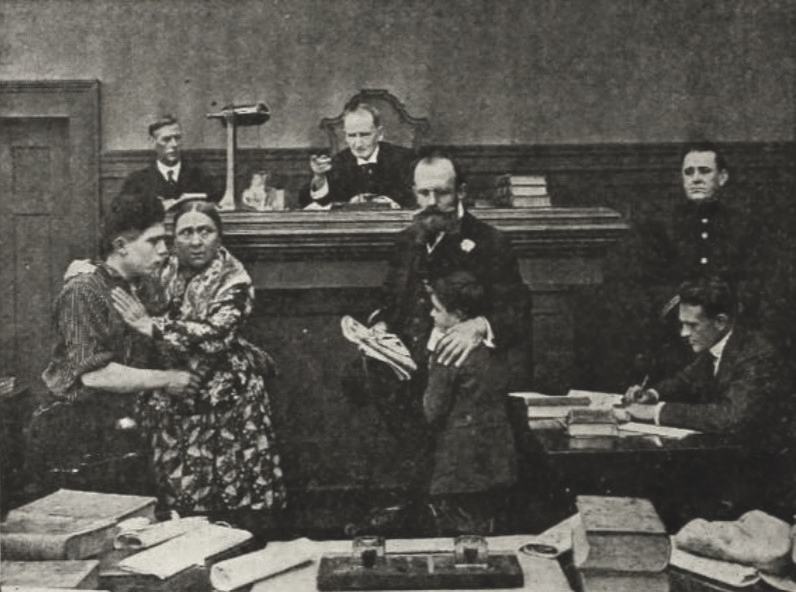
Orphaned after the death of their mother, Nancy Grimm and her baby sister Ellen are taken to the country where Ellen is adopted by the wealthy Walsh family. Nancy keenly feels the loss of her sister, and when the judge rules that she cannot visit Ellen without permission, she throws herself onto a bench, winning the sympathy of young attorney Chester Noble.
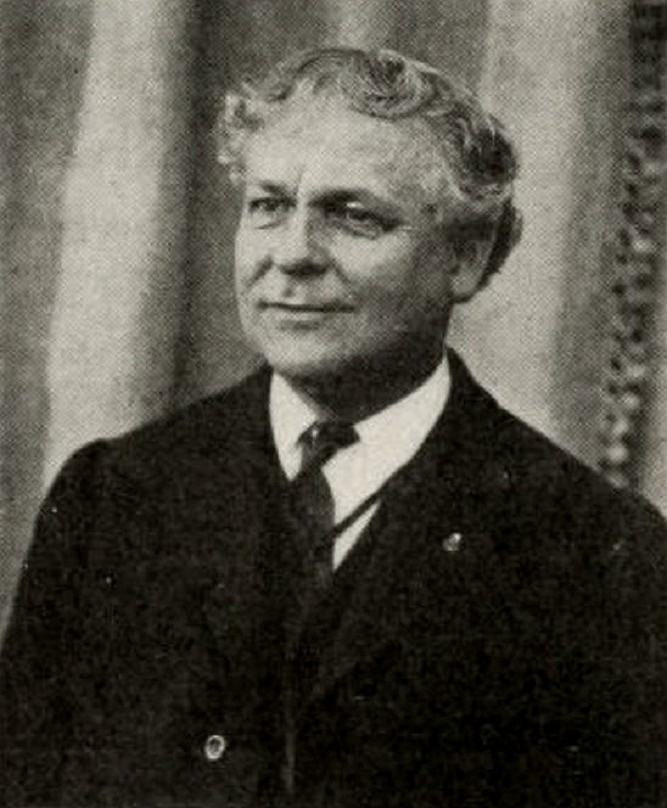
Judge Willis Brown, Charles J. Wilson
United States
The year 1917 was a crucible for cinematic storytelling, a period where the medium began to shed its stage-bound origins for something more psychologically acute. The Girl Who Won Out stands as a towering, if often overlooked, example of this evolution. It is not merely a melodrama of separated siblings; it is a scat...
still_frame
still_frame
Comparing the cinematic DNA and archive impact of two defining moments in cult history.
Eugene Moore
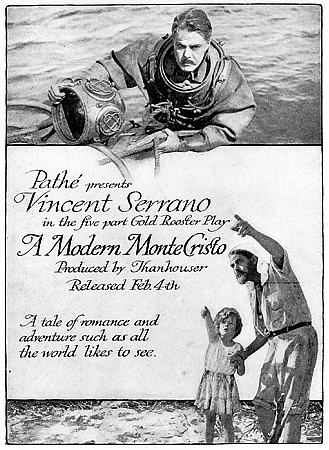
Eugene Moore
Community
Log in to comment.
" The year 1917 was a crucible for cinematic storytelling, a period where the medium began to shed its stage-bound origins for something more psychologically acute. The Girl Who Won Out stands as a towering, if often overlooked, example of this evolution. It is not merely a melodrama of separated siblings; it is a scathing indictment of the commodification of children and the rigid class structures of early 20th-century America. The film navigates the murky waters of social justice with a precis..."

Deep dive into the cult classic
Discover similar cinematic experiences
A Directorial Spotlight on Eugene Moore