
DbcultAccessing Vault...
Director's Spotlight
Senior Film Conservator
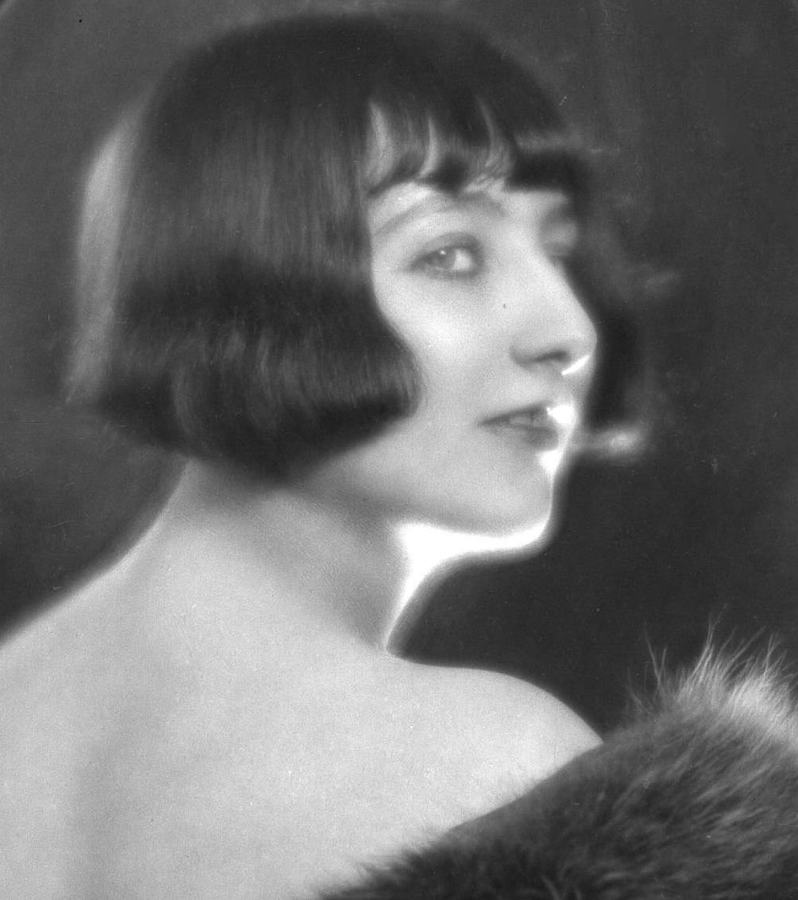
Director's Spotlight: Germany
A Deep Dive into the 1920 Vision of Ewald André Dupont
The evocative power of Der weisse Pfau stems from the unique collaboration between the subversive storytelling techniques employed by Ewald André Dupont in 1920. Synthesizing the best elements of Germany and international cinema, it reminds us of the fragility and beauty of the 1920s.
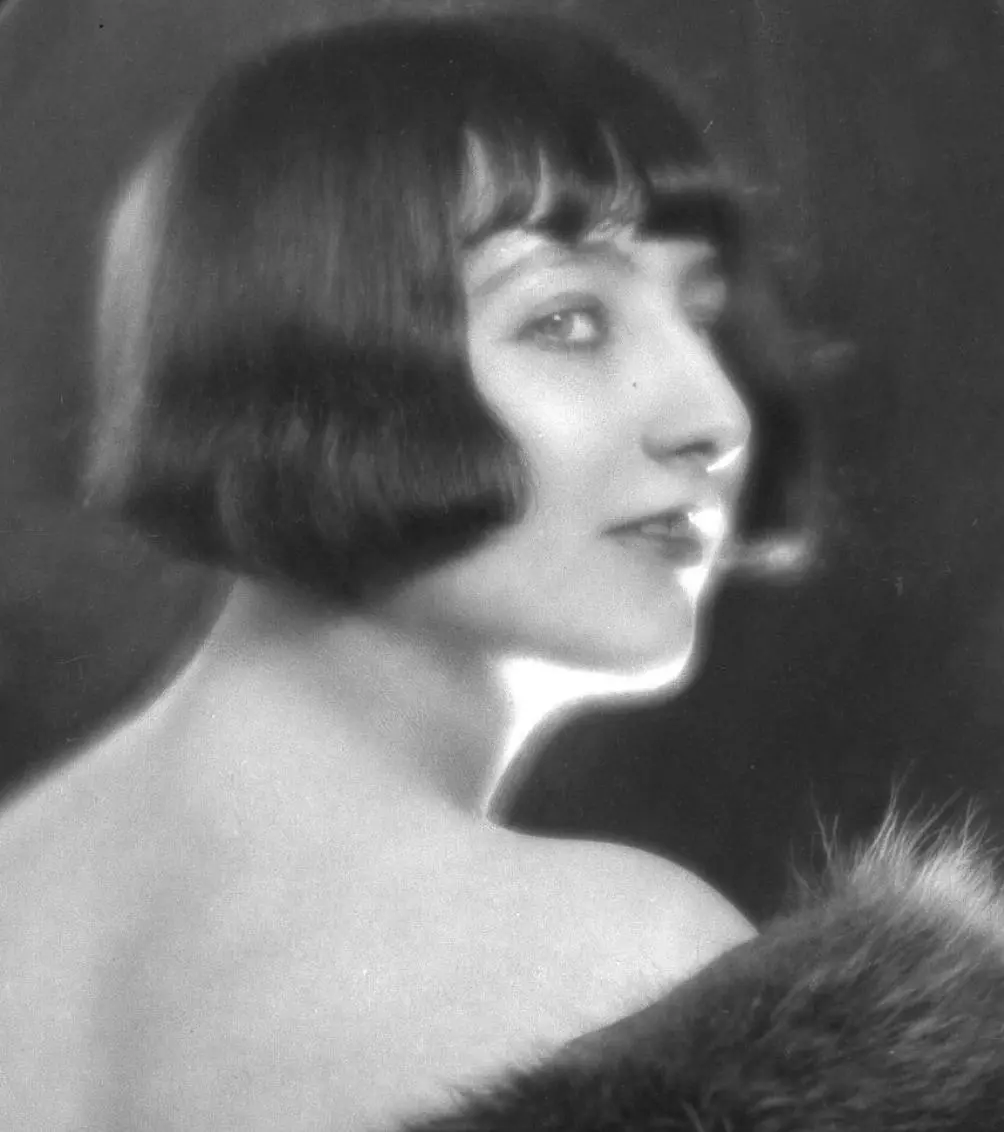
In Der weisse Pfau, Ewald André Dupont pushes the boundaries of conventional narrative. The film's unique approach to its subject matter has sparked endless debates and interpretations among cinephiles and critics alike.
| Cinematography | Noir-Inspired |
| Soundtrack | Synth-Heavy |
| Editing | Disjunctive |
| Art Direction | Baroque |
Visualizing the convergence of Ewald André Dupont's style and the core Drama narrative.
Lord Cross is a respected and always very serious gentleman. In society he is therefore called "the man without a laugh". One evening, when he and his snobbish girlfriend from the British upper class visited the variety show "Zur Goldenen Kugel" in the somewhat disreputable London district of Whitechapel, in which its director Navratil tried to make the audience laugh with a comic buffo, the Lord's eyes fell immediately on a young gypsy girl. She is called Maryla and dances to the violin.
Decades after its release, Der weisse Pfau remains a vital piece of the cinematic puzzle. Its influence can be seen in countless modern works, solidifying Ewald André Dupont's status as a master of the craft in Germany and beyond.