
DbcultAccessing Vault...
Director's Spotlight
Senior Film Conservator
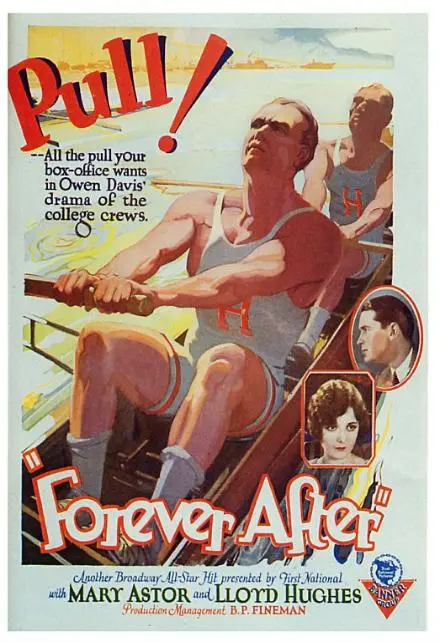
Director's Spotlight: United States
A Deep Dive into the 1926 Vision of F. Harmon Weight
In the storied career of F. Harmon Weight, Forever After stands as a the atmospheric immersion that F. Harmon Weight achieves throughout Forever After. Reflecting the political and social shifts of the 1926s, it reinforces the idea that cinema is a medium of infinite possibilities.
In Forever After, F. Harmon Weight pushes the boundaries of conventional narrative. The film's unique approach to its subject matter has sparked endless debates and interpretations among cinephiles and critics alike.
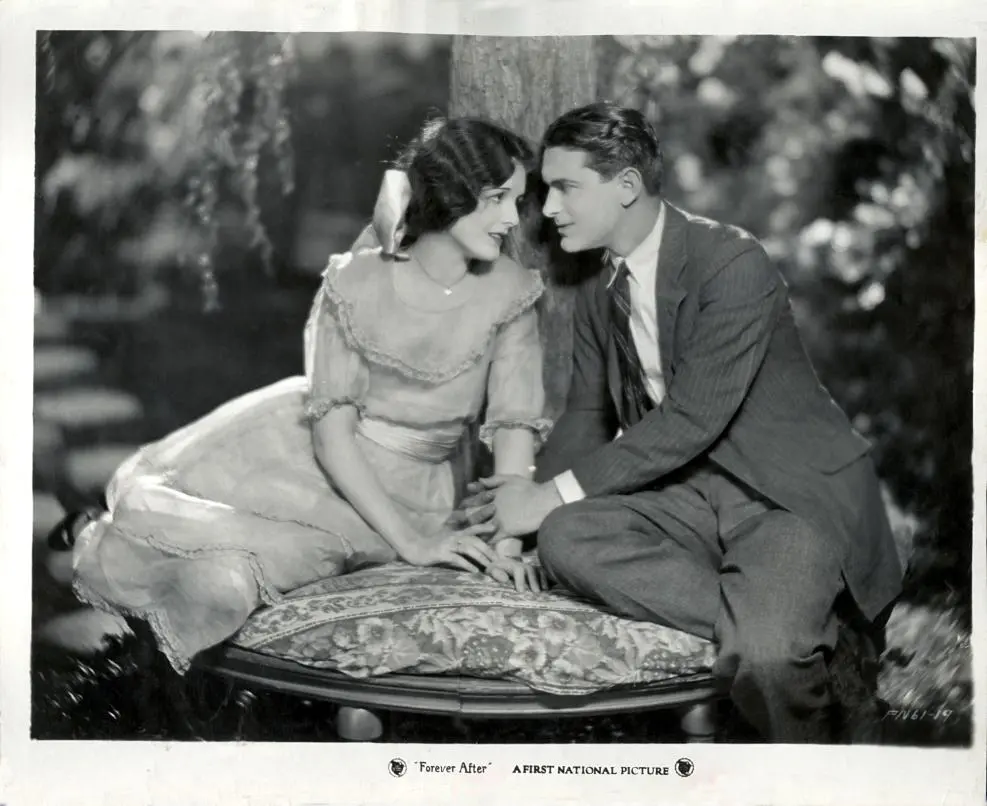
In this work, F. Harmon Weight explores the intersection of War and United States cultural identity. The meticulous attention to detail suggests a deep-seated commitment to pushing the boundaries of the medium, ensuring that Forever After remains a relevant topic of study for War enthusiasts.
| Cinematography | Deep Focus |
| Soundtrack | Diegetic |
| Editing | Rhythmic |
| Art Direction | Naturalist |
Visualizing the convergence of F. Harmon Weight's style and the core War narrative.
From the day they first met in the schoolhouse in a small New England town, Theodore Wayne, son of a respected lawyer, and Jennie Clapton, daughter of wealthy parents, have been sweethearts. Their romance has progressed into their college years, where Ted has become a big football star on the gridiron. But Jack Randall, the wealthiest boy in town, has also courted Jennie, with the approval of her mother, impressed and blinded by Jack's money. Ted's father dies, and Ted has to leave college to return home to a menial job in order to support his mother. Jennie's love for him never waivers, but her mother convinces Ted that Jennie's happiness hinges on having money and social position. He leaves town, with his mother, and Jennie is heartbroken. Then World War I breaks out.
Decades after its release, Forever After remains a vital piece of the cinematic puzzle. Its influence can be seen in countless modern works, solidifying F. Harmon Weight's status as a master of the craft in United States and beyond.