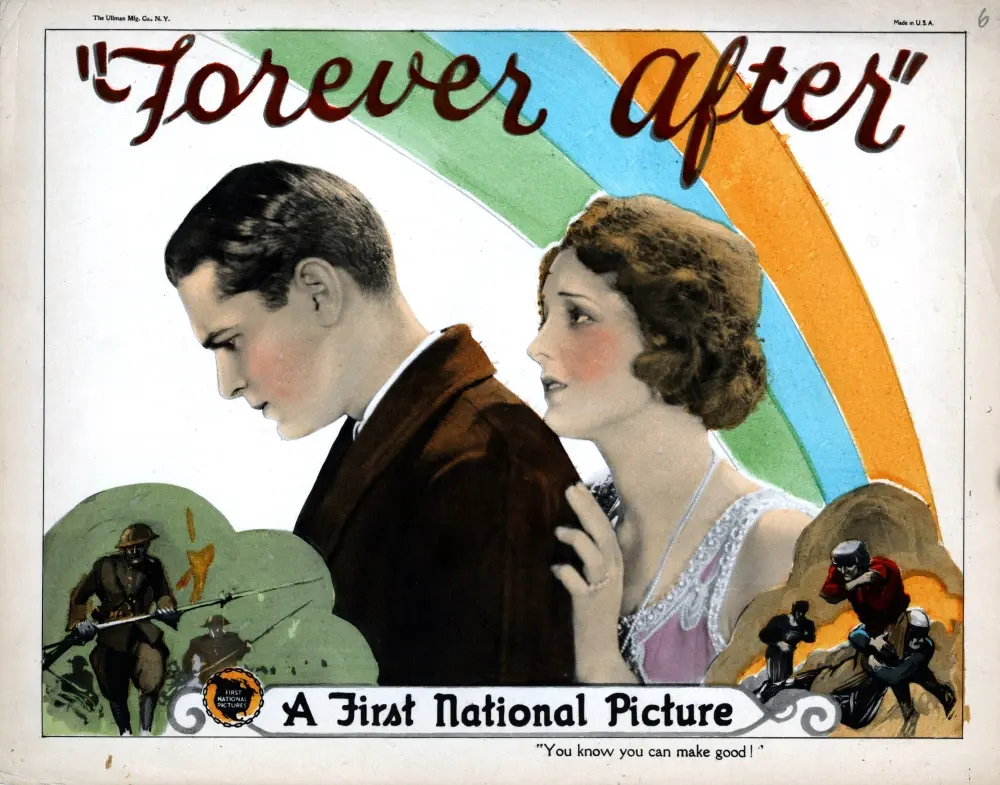
From the day they first met in the schoolhouse in a small New England town, Theodore Wayne, son of a respected lawyer, and Jennie Clapton, daughter of wealthy parents, have been sweethearts. Their romance has progressed into their college years, where Ted has become a big football star on the gridiron.
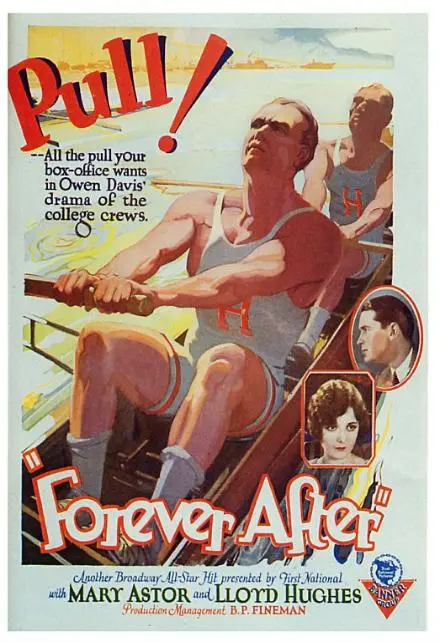
Is this film worth watching?Short answer: Yes, but it requires a deep appreciation for early 20th-century dramas and a willingness to navigate its slow pacing and dated elements. Forever After is a compelling exploration of love, class, and sacrifice, set against the backdrop of early 1920s America. It is most suitable...
production_art
still_frame
still_frame

still_frame
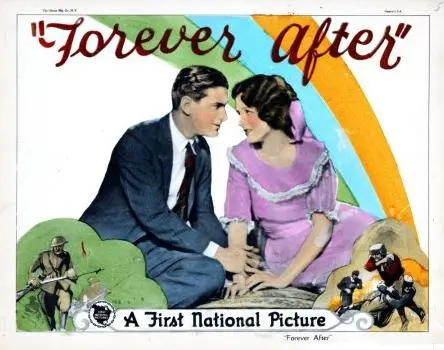
production_art
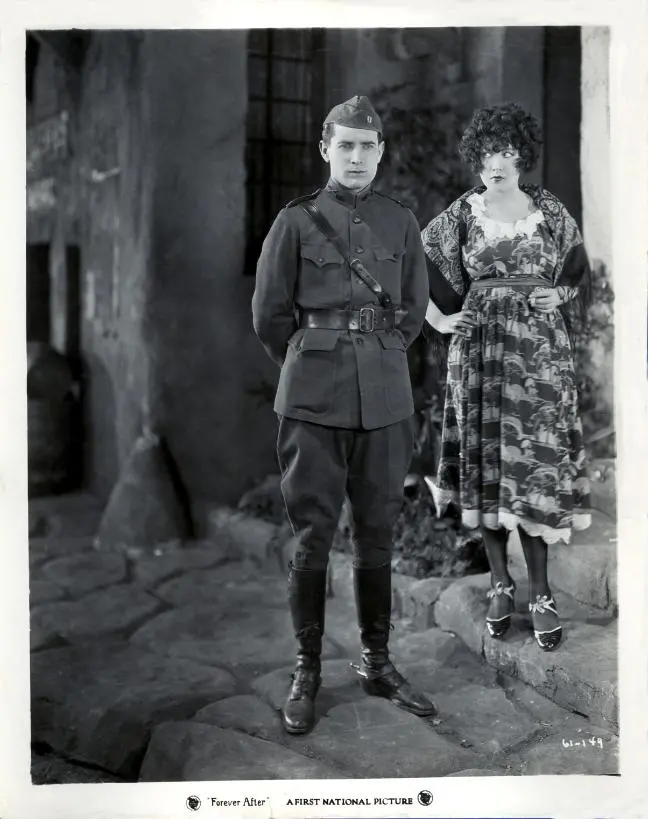
still_frame
Comparing the cinematic DNA and archive impact of two defining moments in cult history.
F. Harmon Weight
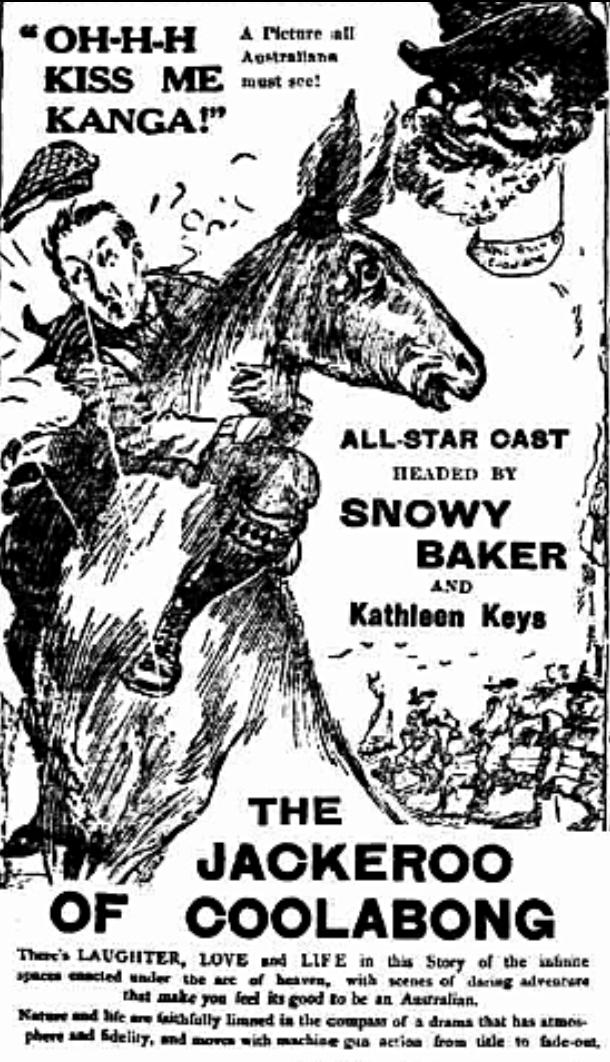
Wilfred Lucas
Community
Log in to comment.
"Is this film worth watching?Short answer: Yes, but it requires a deep appreciation for early 20th-century dramas and a willingness to navigate its slow pacing and dated elements. Forever After is a compelling exploration of love, class, and sacrifice, set against the backdrop of early 1920s America. It is most suitable for film enthusiasts, history buffs, and those interested in classic American cinema.For those seeking fast-paced thrillers or modern romances, this film may not be your cup of te..."
Hallam Cooley
Owen Davis, Jessie Burns, Paul Gangelin, Julien Josephson, Bernard Vorhaus
United States