
Deep Dive
The Flickering Outsider: Tracing the Genetic Rebellion of Early Cinema’s Most Eccentric Misfits
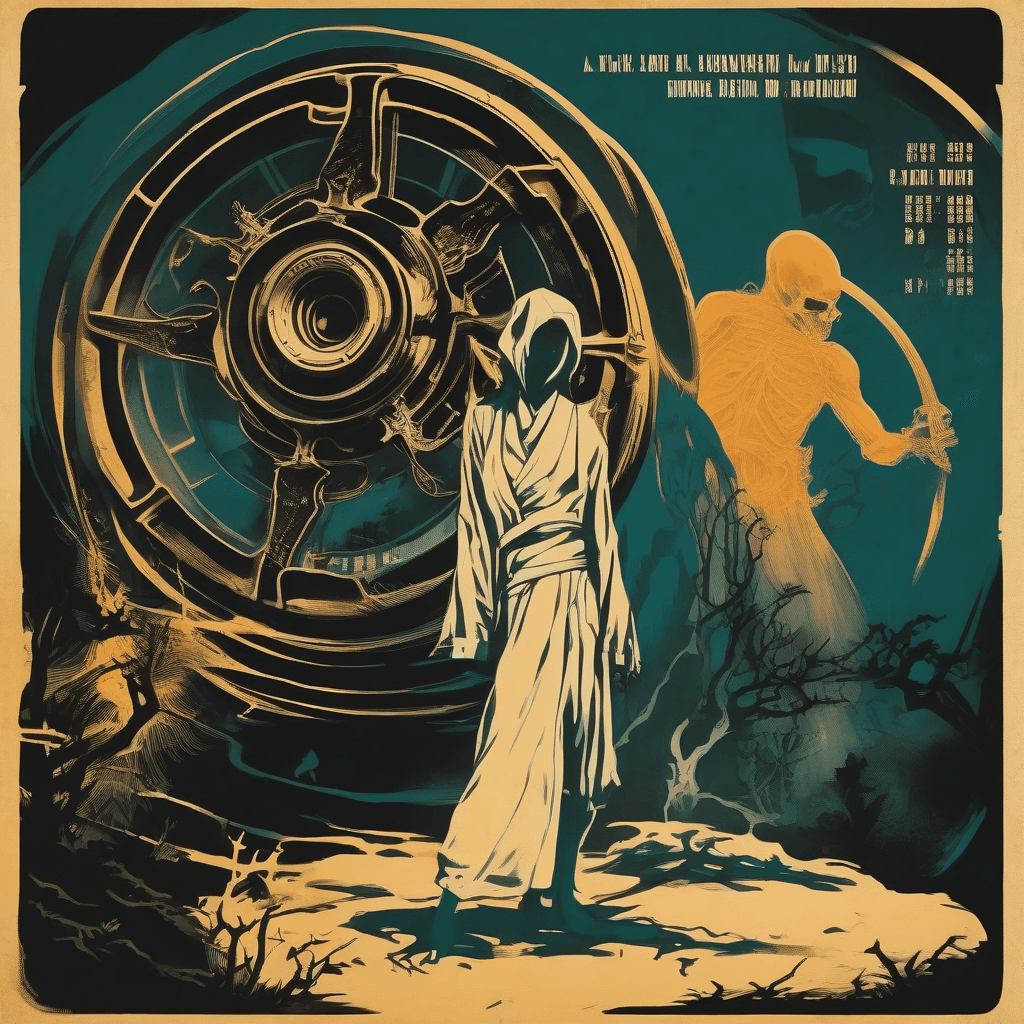
“An exploration of how the silent era's most daring narratives and visual anomalies established the blueprint for modern cult cinema and fanatical devotion.”
The Genesis of the Midnight Mindset
Long before the term cult cinema was coined in the smoky backrooms of 1970s revival houses, the seeds of cinematic rebellion were already being sown in the nitrate soil of the early 20th century. To understand the modern obsession with the strange, the transgressive, and the misunderstood, we must look back at the flickering outsiders of the 1910s and 20s. These were films that didn't just entertain; they challenged the social fabric, experimented with the limits of the frame, and invited a level of devotion that transcended the casual moviegoing experience.
Cult cinema is defined by its relationship with its audience—a bond forged in the fires of shared obscurity and the thrill of discovering something the mainstream has overlooked. In the early days of the medium, this relationship was birthed by films like Destiny (1921) and the surreal action of Gôketsu Jiraiya. These works provided a template for what we now recognize as the cult aesthetic: a blend of high-concept fantasy, moral ambiguity, and a visual language that feels both ancient and revolutionary.
The Allure of the Forbidden: Taboo and Morality
One of the primary pillars of cult obsession is the transgression of social norms. Early cinema was rife with narratives that poked at the boundaries of polite society, often under the guise of moral warnings. Consider the haunting narrative of Hop - The Devil's Brew. By exploring the dark underbelly of opium addiction, the film tapped into a primal curiosity about the forbidden. It wasn't just a story about a customs inspector's wife; it was a descent into a subculture that the average viewer could only glimpse through the silver screen.
Similarly, Ten Nights in a Bar Room utilized the melodrama of alcoholism to create a visceral, almost religious experience for its audience. These films were the ancestors of the 'exploitation' genre, providing a safe space for viewers to confront the 'other'—the addict, the criminal, the social pariah. This fascination with the shadow self remains a cornerstone of cult fandom today, where the villain or the tragic outcast is often more revered than the hero.
The Architecture of the Fantastic
Beyond moral transgression, the early cult soul was fueled by a hunger for the supernatural and the surreal. Fritz Lang’s Destiny (1921) is perhaps the most significant blueprint for the dark fantasy cults that would follow. Its depiction of Death as a weary, bureaucratic figure and its triptych of tragic tales created a sense of cosmic dread that resonated deeply with post-war audiences. It wasn't just a movie; it was a philosophical inquiry wrapped in groundbreaking visual effects.
We see this same DNA in the sci-fi experimentation of Homunculus, 6. Teil - Das Ende des Homunculus. The idea of the artificial man, the created being who seeks a soul but finds only destruction, is a theme that has powered countless cult classics, from *Frankenstein* to *Blade Runner*. These films allowed early audiences to explore the anxieties of the industrial age, using the medium of film to manifest the monsters of the subconscious.
The Outlaw as Cultural Icon
If the cult movie is a sanctuary for the misfit, then the outlaw hero is its patron saint. In the early 20th century, characters like the dashing bandit in Stingaree or the reformed criminal in Wolves of the Rail offered a different kind of escapism. These weren't the squeaky-clean protagonists of the studio system; they were men and women operating on the fringes of the law, driven by personal codes of honor rather than societal mandates.
This 'rebel with a cause' archetype is essential to the cult experience. Whether it's the legendary ninja in Gôketsu Jiraiya using mystical powers to navigate a world of danger or the social outcasts in The Light of Happiness, these characters represent a refusal to conform. For the cult viewer, who often feels like an outsider themselves, these stories provide a sense of validation and community.
Visual Anarchy and the Short Form Experiment
Cult cinema is also about the unpredictability of form. In the era of short films and experimental comedies, directors were free to play with the medium in ways that would later be ironed out by the Hollywood machine. Shot in the Dumbwaiter and Tacks and Taxes represent a kind of visual anarchy where logic takes a backseat to the absurd. This legacy of the 'weird short' lives on in the midnight movie tradition, where the short and the strange often precede the main feature.
Even documentary-style shorts like Den doode steden aan de Zuiderzee contributed to the cult psyche by documenting the 'unseen' or the 'dying' parts of the world. There is a specific kind of cult devotion dedicated to the archival and the forgotten—the desire to witness a reality that no longer exists. These films served as windows into worlds that were rapidly disappearing, much like the niche fandoms of today that seek to preserve the obscure artifacts of pop culture.
Identity, Exoticism, and the 'Other'
The early 20th century was a time of massive cultural shifts, and the cinema of the era reflected the tensions of a globalizing world. Films like The Hidden Pearls and The Last Egyptian explored themes of heritage, revenge, and the clash between tradition and modernity. While often filtered through the problematic lens of the time, these narratives introduced audiences to the concept of cultural duality.
In The Hidden Pearls, the protagonist's journey between America and his mother's Hawaiian island mirrors the experience of many who feel caught between two worlds. This theme of 'not belonging' is a potent ingredient in the cult cinema recipe. It creates a space for exploration of identity that the mainstream often ignores. The cult film becomes a site of reclamation, where the marginalized and the misunderstood find their voices amplified by the devotion of a niche audience.
The Melodrama of the Mundane
Not all cult films are about monsters or outlaws; sometimes, the most intense devotion is reserved for the heightened reality of the melodrama. Mother Eternal and The Seventh Day utilized extreme emotional stakes to captivate viewers. The 'cult of the weepie' or the 'cult of the domestic drama' relies on the audience's willingness to surrender to overwhelming sentiment. In these films, the everyday struggles of poverty, infidelity, and family secrets are elevated to the level of myth.
This elevation of the mundane into the monumental is a key tactic of cult creators. By taking a simple story—like the girl who envies an actress in Envy or the tested faith of a young bride in Happy Though Married—and pushing it to its emotional extreme, these films forge a deep, personal connection with the viewer. It is a form of emotional resonance that defies critical consensus and builds a lasting legacy through word-of-mouth and repeat viewings.
Conclusion: The Perpetual Midnight
As we look back at the 50 films that helped define this era—from the labor struggles of Germinal; or, The Toll of Labor to the whimsical romance of The Delicious Little Devil—we see a medium in its most fertile and rebellious state. These films were not yet shackled by the expectations of 'the blockbuster' or 'the franchise.' They were raw, experimental, and frequently strange. They were the original midnight movies, even if they were screened at high noon.
The modern cult film landscape owes everything to these early pioneers. The fanatical devotion we see today for niche genres, the celebration of the 'so-bad-it's-good' aesthetic, and the deep-seated love for the cinematic underdog all find their roots in the silent era's willingness to be different. The flickering outsider is still with us, hiding in the shadows of the streaming services and the backrooms of the remaining independent cinemas, waiting for a new generation of disciples to discover its forbidden truths.
In the end, cult cinema is about more than just movies; it is about the sacred act of watching. It is about finding beauty in the distorted, truth in the fantastic, and community in the fringe. As long as there are filmmakers willing to break the rules and audiences hungry for something more than the status quo, the spirit of the early silent rebels will continue to haunt the screen, ensuring that the midnight never truly ends.
Community
Comments
Log in to comment.
Loading comments…