
Cult Cinema
The Midnight Alchemist’s Grimoire: Decoding the Primal Anarchy and Subversive Shadows of Cinema's First Rogue Wave
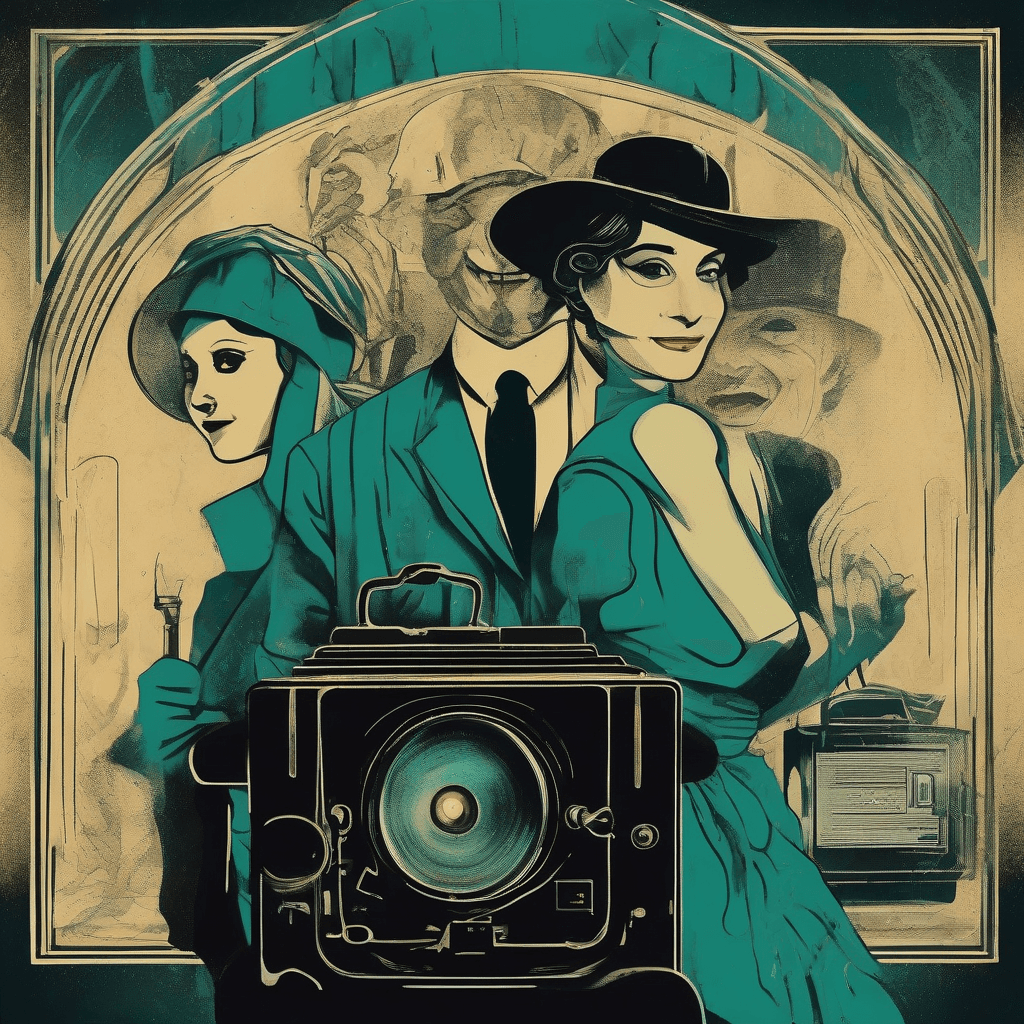
“Uncover the hidden genetic blueprint of cult cinema by exploring the transgressive narratives and visual defiance of the silent era's most daring outcasts.”
The history of cinema is often told through the lens of the victors—the massive studios and the sanitized blockbusters that defined the mainstream. However, beneath the surface of the silver screen lies a darker, more volatile current: the cult cinema soul. This soul was not born in the midnight screenings of the 1970s; it was forged in the nitrate fires of the early 20th century. To understand the modern obsession with the weird and the transgressive, we must return to the rogue wave of films that dared to defy the moral and visual codes of their time. These are the films that didn't just entertain; they possessed their audiences, creating a lineage of devotion that persists to this day.
The Face of the Outcast: Gwynplaine and the Visual Grotesque
Perhaps no film better encapsulates the primal pull of the cult aesthetic than The Man Who Laughs. While often categorized as a drama or horror, its legacy is purely that of the cinematic outlier. The image of Gwynplaine, with his face carved into a permanent, agonizing grin, serves as the ultimate archetype for the cult hero. He is the deformed saint, a figure who exists entirely outside the polite boundaries of society. This visual transgression—the literal scarring of the protagonist—mirrors the way cult cinema scars the viewer’s memory. It is a film that refuses to let the audience look away, bridging the gap between the grotesque and the beautiful, much like the blind Dea who loves him. In this silent masterpiece, we see the blueprint for every subsequent cinematic misfit who found sanctuary in the shadows.
Coded Messages and Secret Societies: The Thrill of the Forbidden
Cult cinema has always been a game of secrets, a treasure map for the initiated. This tradition of the hidden narrative finds its roots in the labyrinthine plots of the early serials and thrillers. Consider Tih Minh, where Jacques d'Athys returns from Indochina with a book containing a coded message. This obsession with the cryptic—the idea that the film itself is a puzzle to be solved—is a cornerstone of cult fandom. Similarly, The White Circle plunges the viewer into the world of the Carbonari, an Italian secret society. These films taught audiences that the screen was not just a window, but a veil. To watch them was to be part of a clandestine exchange of information. Whether it is the mystery of The Phantom Butler or the high-stakes espionage in Allies' Official War Review, No. 7, the early century was obsessed with the idea that the truth was something to be unearthed, often at the risk of one's own life.
The Criminal Countess and the Fugitive Gaze
The allure of the lawless is a recurring theme in the cult canon. In Hans hustrus förflutna, the international criminal Helene Voigt, masquerading as a countess, represents the subversive feminine. She is an outlaw who navigates the upper echelons of society with a predatory grace. This fascination with the deviant—the character who operates by their own set of rules—is echoed in The Heart Snatcher, where a thief’s chaotic escape from a mansion becomes a spectacle of anarchy. Cult cinema thrives on these moments of disruption, where the social order is mocked or dismantled. Even in the seemingly lighthearted Penny of Top Hill Trail, the suspicion and eventual jailing of the protagonist highlight a fundamental distrust of authority that would become a staple of the midnight movie mindset.
The Morality of the Marginalized: The Weak as the Transgressive
One of the most profound elements of early cult cinema is its focus on the "weak" and the "fallen." Titles like The Strength of the Weak and The Triumph of the Weak are not merely melodramas; they are political statements. They center on characters like Edith, a paroled prisoner fighting for her child, or Pauline D'Arcy, an inexperienced girl manipulated by an older man. These films challenged the rigid Victorian morality of the era by suggesting that the moral deviant was often the most virtuous person in the room. This inversion of values is a key characteristic of cult cinema. In A Lady in Love, the betrayal of a naive convent girl by a degenerate husband forces the audience to sympathize with a social outcast. These narratives of transgression and redemption, found in films like The Sentimental Bloke, where an ex-convict finds salvation through love, laid the groundwork for the empathetic rebellion that defines modern niche fandom.
The Domestic Shadow: When Husbands Deceive
The cult of the domestic thriller began with films like When Husbands Deceive and Whose Wife?. These stories explored the rot within the institution of marriage, presenting it not as a sanctuary but as a site of entrapment and fraud. In When Husbands Deceive, the plot involves a guardian-turned-husband who frames his wife’s true love for theft. This sense of internalized horror—the realization that the person closest to you is a monster—resonates with the paranoid themes of later cult classics. It is a genre of suspicion that turns the familiar into the uncanny, a technique used masterfully in Therese and A Kiss in Time, where the friction between social expectations and personal desire leads to explosive consequences.
Genre Anarchy: From The Blue Bird to the Arabian Knight
Before the industry became obsessed with rigid genre classifications, there was a period of wild, unbridled experimentation. The Blue Bird is a prime example of this visual surrealism, a quest for a magical fairy and the elusive "Blue Bird of Happiness" that feels more like a fever dream than a children’s story. This willingness to embrace the fantastic and the absurd is what gives early cinema its enduring cult power. An Arabian Knight blends action and fantasy in a way that feels dangerously untethered to reality, while Sweet Papa uses the medium of animation to explore "squall stoppers" and crying children with a bizarre, mechanical logic. This genre-bending—where a western like The Hunger of the Blood or The Midnight Stage can suddenly take on the weight of a Greek tragedy—is exactly what the cult audience craves: the unpredictable and the unclassifiable.
The Spectacle of Faith and Fatal Pride
The early era also used the screen as a site of religious and social interrogation. Fabiola, set in 302 AD Rome, uses the spectacle of martyrdom to create a visceral, almost overwhelming experience for the viewer. It is a film that demands total immersion, much like the ritualistic viewing habits of cult followers. On the other end of the spectrum, Fatal orgullo (Fatal Pride) explores the destructive power of the ego. These films often functioned as moral laboratories, testing the limits of what an audience could endure. Whether it was the syphilis-themed social commentary of Es werde Licht! 2. Teil or the exploration of alcoholism in The Enemy, these films tackled taboos head-on, ensuring their place in the underground history of the medium.
The Legacy of the Rogue Wave: Why the Silent Fringe Still Matters
We live in an age of digital polish, yet we find ourselves constantly drawn back to the flickering, imperfect images of the past. Why? Because films like Prima Vera, My Partner, and The Drifters possess an authenticity that cannot be manufactured. They represent a time when the rules of cinema were still being written by outcasts and dreamers. The maverick spirit of Beatrice Fairfax, a crime-fighting reporter, or the social experimentation of The Cave Man, where a woman tries to turn a commoner into a leader on a wager, speaks to our own desire for transformation and rebellion.
The films of this era—from the tragic melodrama of Heritage to the comedic chaos of Shift the Gear, Freck—created a language of deviance that we still speak today. They taught us that the most interesting stories are found on the periphery, in the lives of the Poor Little Rich Girl or the Little Minister. They showed us that cinema could be a weapon, a prayer, or a hallucination. As we look back at The Arrival of Perpetua or the harrowing Torpedoing of the Oceania, we are not just looking at old movies; we are looking at the DNA of our own obsession. The Midnight Alchemist of the early century transformed the base metal of silent film into the gold of cult legend, and the echoes of that transformation still vibrate through every midnight screening in the world today.
In conclusion, the cult cinema of the 1910s and 20s was not a precursor to something else; it was a fully realized revolution. It was a time of The Fighting Gringo and A Wild Goose Chase, a time of 'Twas Henry's Fault and Taxi. It was a time when the screen was a place of infinite possibility and profound danger. By embracing the primal anarchy of these early works, we honor the true spirit of the cinema: a medium that, at its best, remains forever an outlaw.
Community
Comments
Log in to comment.
Loading comments…