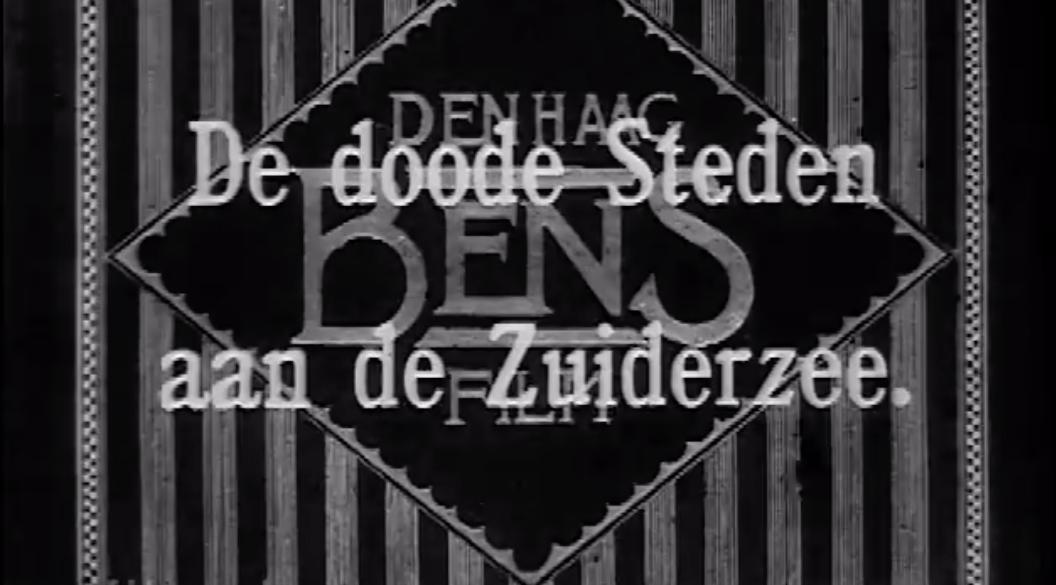
The Zuiderzee once licked its chops across the belly of the Netherlands, a salt wolf gnawing peat and promise. In 1912 Willy Mullens pressed a crank, let light bite celluloid, and trapped that wolf mid-snarl—though the villages it had already swallowed continued to vanish even as the sprockets turned. There is no pl...
still_frame
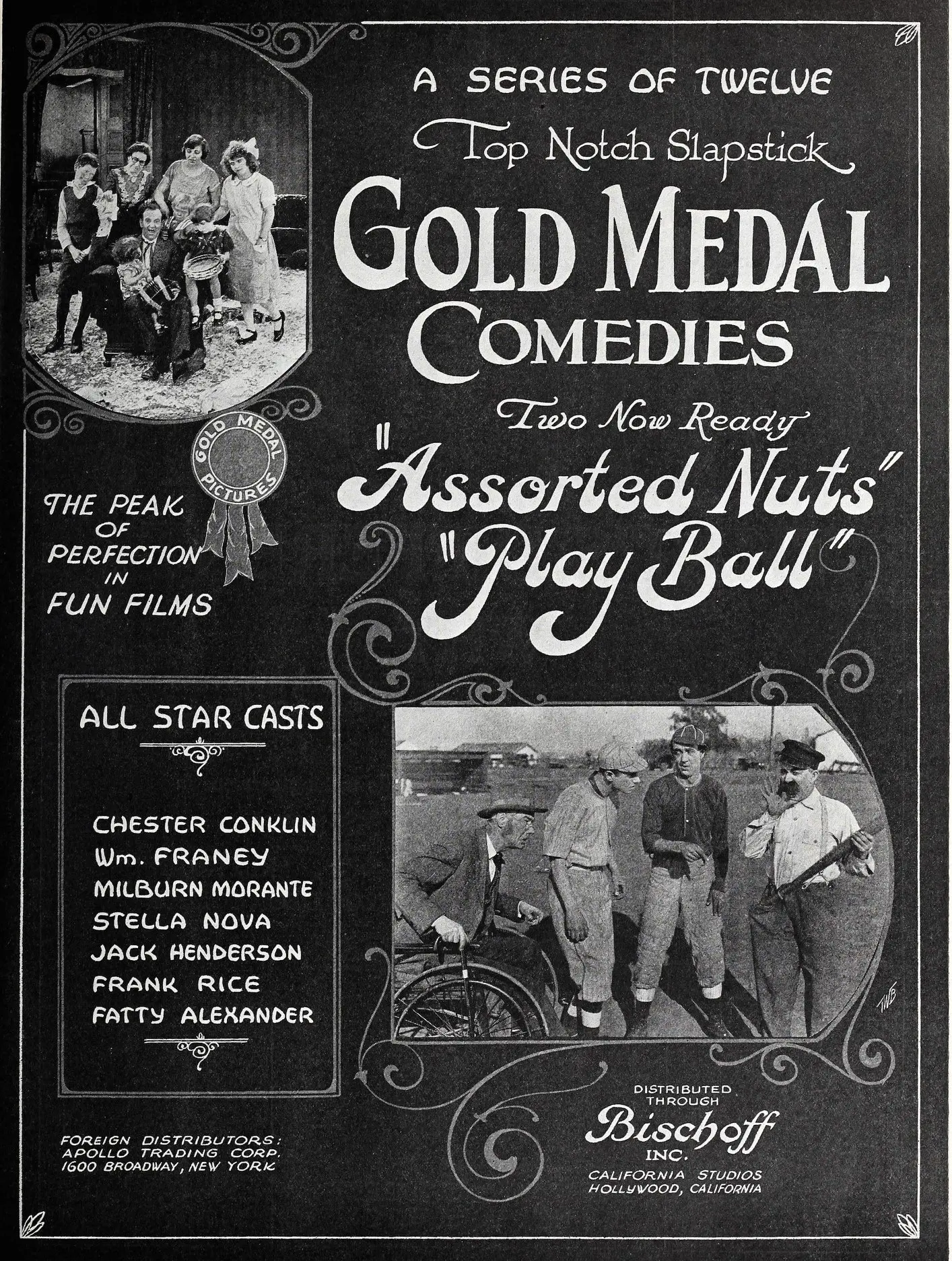
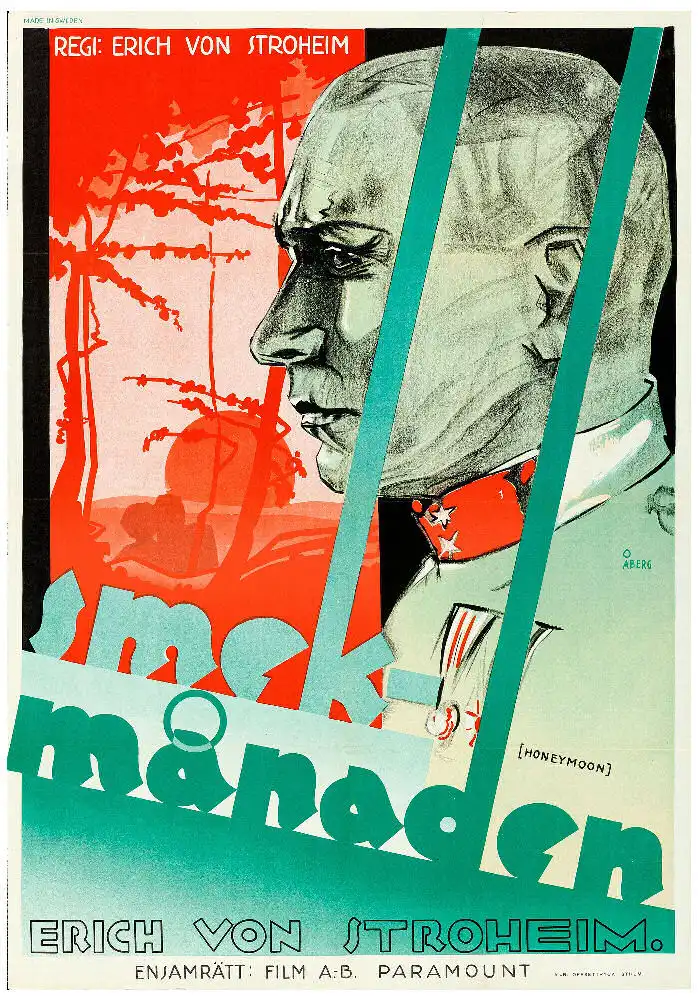
Comparing the cinematic DNA and archive impact of two defining moments in cult history.
Willy Mullens
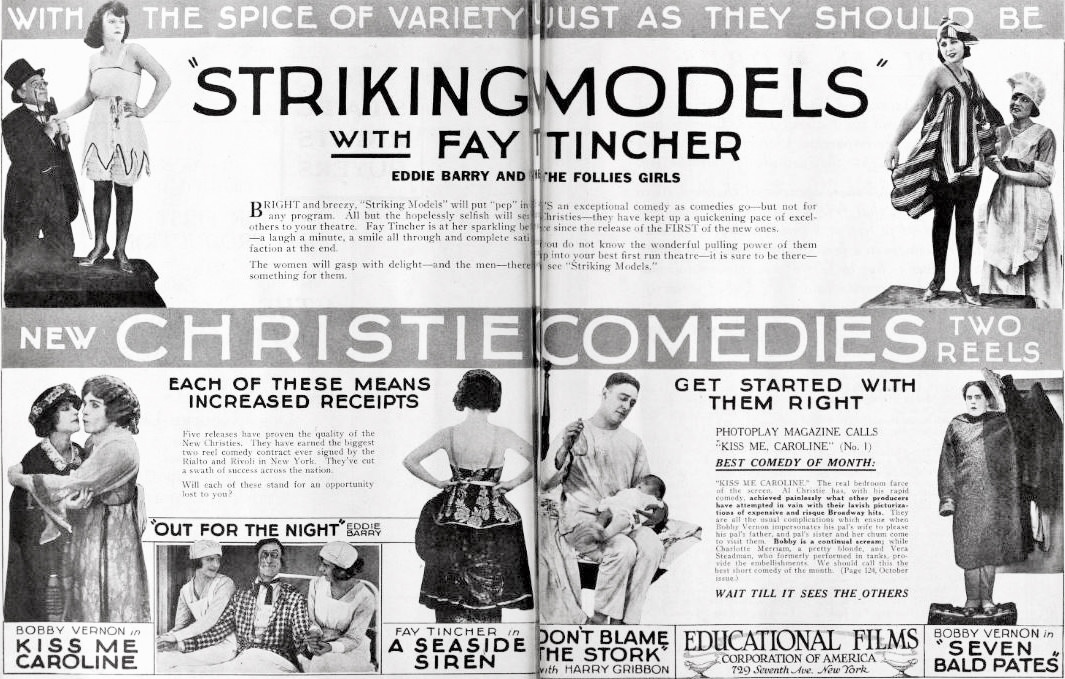
Reggie Morris
Community
Log in to comment.
" The Zuiderzee once licked its chops across the belly of the Netherlands, a salt wolf gnawing peat and promise. In 1912 Willy Mullens pressed a crank, let light bite celluloid, and trapped that wolf mid-snarl—though the villages it had already swallowed continued to vanish even as the sprockets turned. There is no plot here in the nickelodeon sense. Instead, Den doode steden aan de Zuiderzee offers a funeral dirge stitched from postcard shots: leaning church spires, doors ajar to nowhere, gull..."
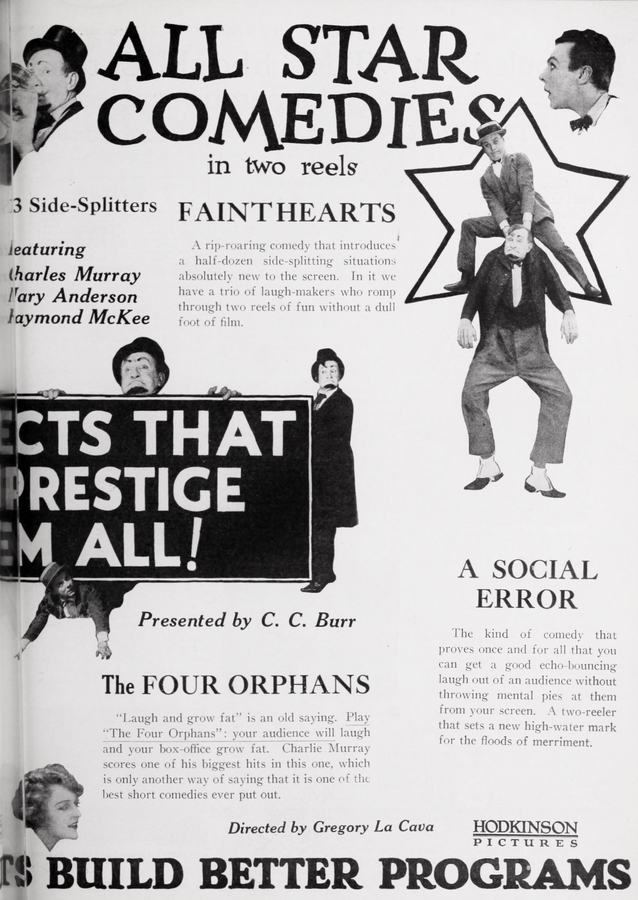

Deep dive into the cult classic
Discover similar cinematic experiences
A Directorial Spotlight on Willy Mullens