
Cult Cinema Deep Dive
The Flicker’s Outlaw: Unearthing the 1910s Misfit Reels That Defined Cult Devotion
“Discover how the forgotten anomalies of 1910s cinema, from gaslighting cardsharpers to obsessive artists, laid the transgressive foundation for modern midnight movie culture.”
When we speak of cult cinema, the mind often drifts toward the neon-soaked midnight screenings of the 1970s or the transgressive video nasties of the 1980s. However, the true DNA of the cinematic outlier was spliced much earlier, in the flickering, high-contrast shadows of the 1910s. This was a decade of radical experimentation, where the boundaries of narrative, morality, and genre were not yet set in stone. The films of this era—often dismissed as primitive precursors—actually contain the raw, unrefined energy that defines modern niche devotion. To understand the cult gaze, one must look back at the misfit reels that challenged the status quo long before the term 'cult' was ever whispered in a theater lobby.
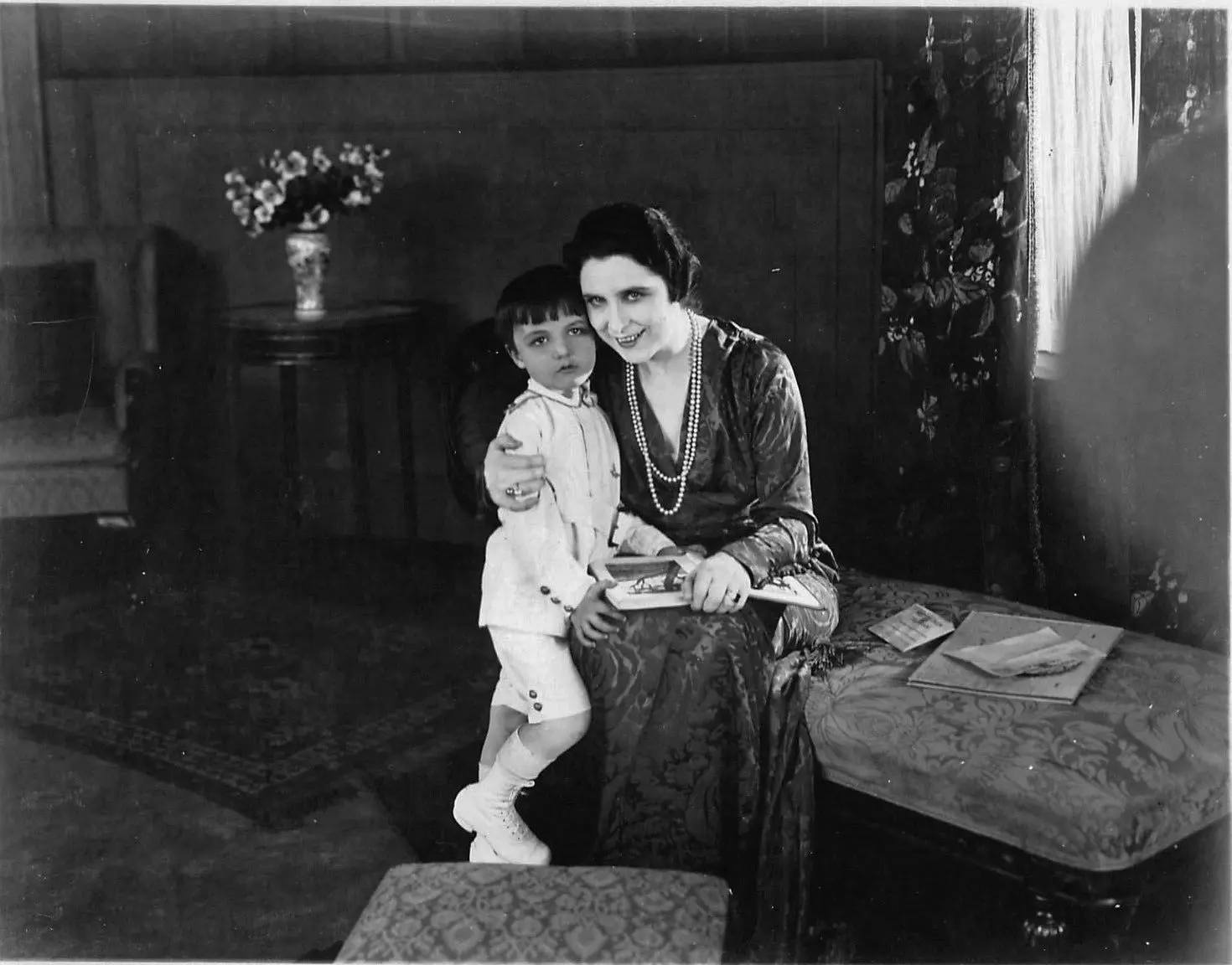
The Architecture of Transgression: Gaslighting and Moral Ambiguity
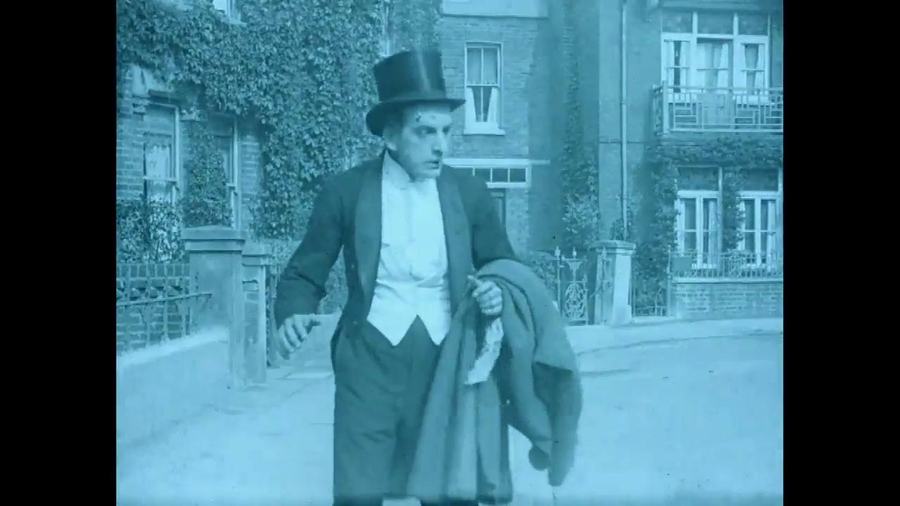
At the heart of any cult classic is a sense of transgression—a willingness to push the audience into uncomfortable psychological territories. Consider the 1910s gem Trapped by the London Sharks. This film presents a narrative of gaslighting and psychological manipulation that feels startlingly modern. By depicting cardsharpers who gas a man and convince him he has murdered his own wife to coerce him into a bank raid, the film taps into a primal fear of lost agency. This isn't just a simple thriller; it is an early exploration of the 'unreliable reality' that would later define the works of David Lynch or Christopher Nolan. The sheer audacity of such a plot in the early 20th century provided a blueprint for the kind of narrative subversion that draws a dedicated, obsessive following.
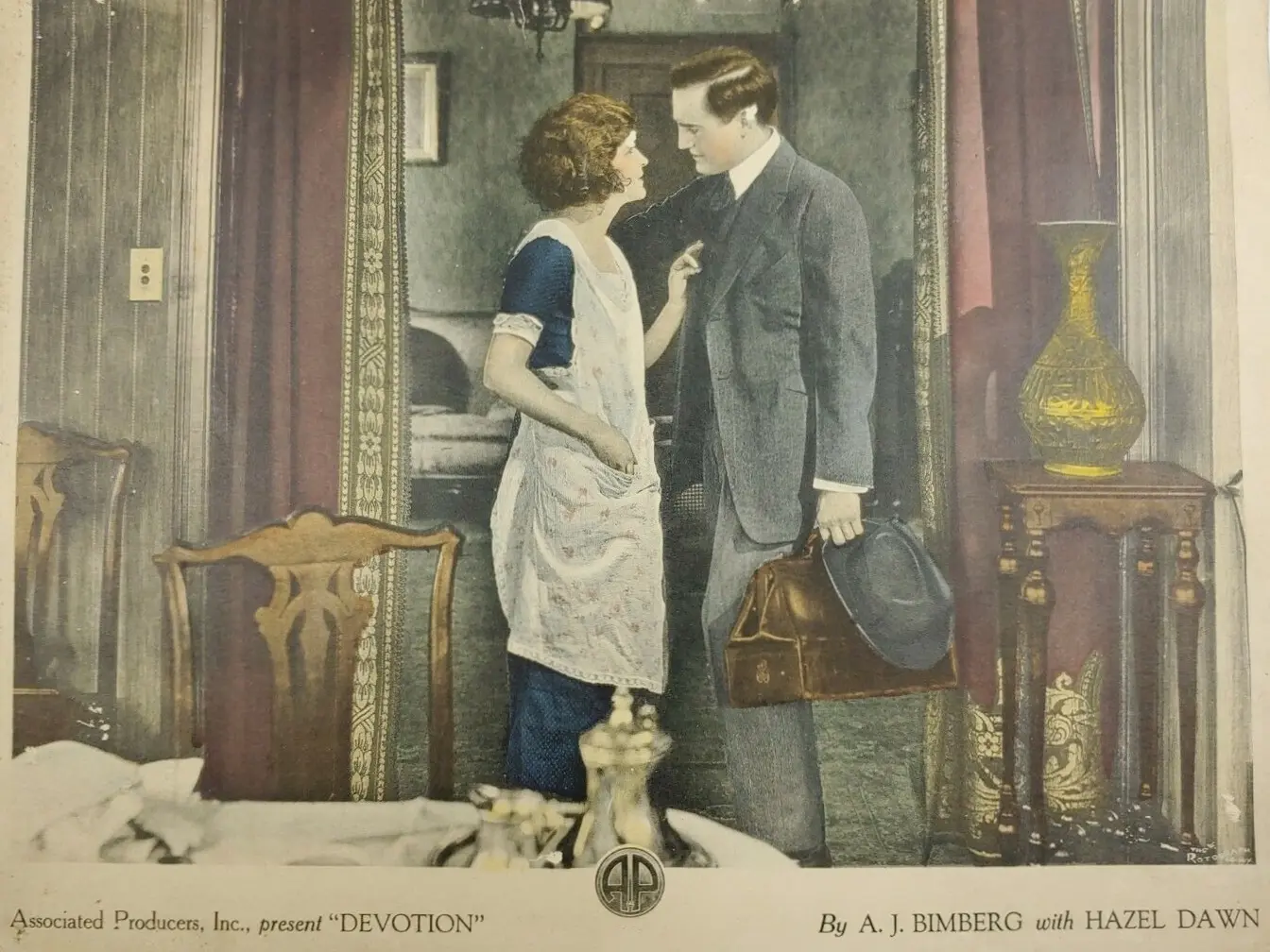
Similarly, Ten Nights in a Bar Room utilized the trappings of a temperance drama to showcase the visceral decay of the human spirit. While ostensibly a moralizing tale about the dangers of alcohol, its focus on the 'useless worker' and the neglect of the domestic sphere created a haunting, gritty atmosphere that resonated with those on the fringes of society. Cult cinema thrives on these depictions of the 'other'—the individuals who fall through the cracks of the American Dream. The 1910s were rife with these moral anomalies, offering a mirror to the societal anxieties of a world on the brink of industrial and global upheaval.
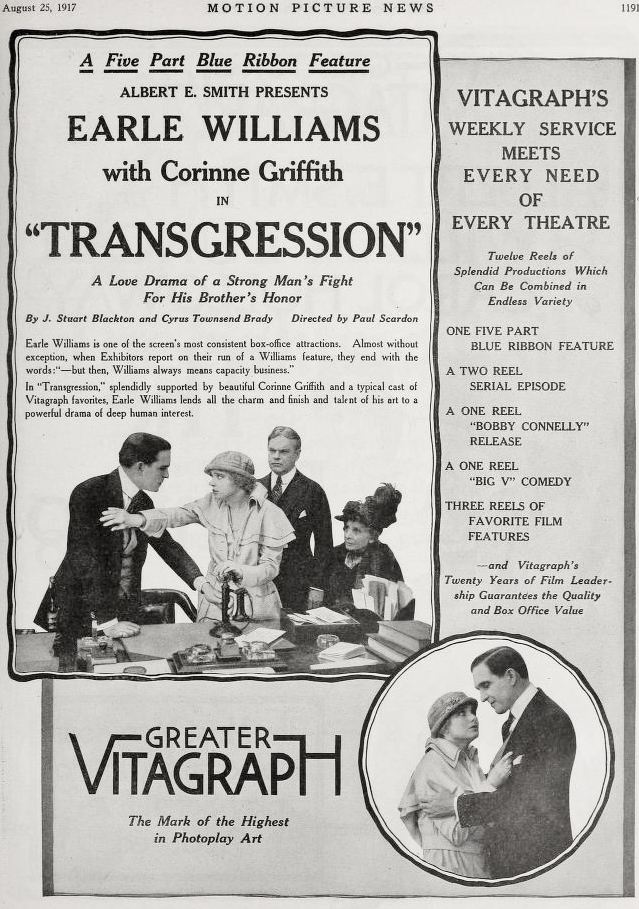
Obsession as Aesthetic: The Birth of the Unhinged Artist
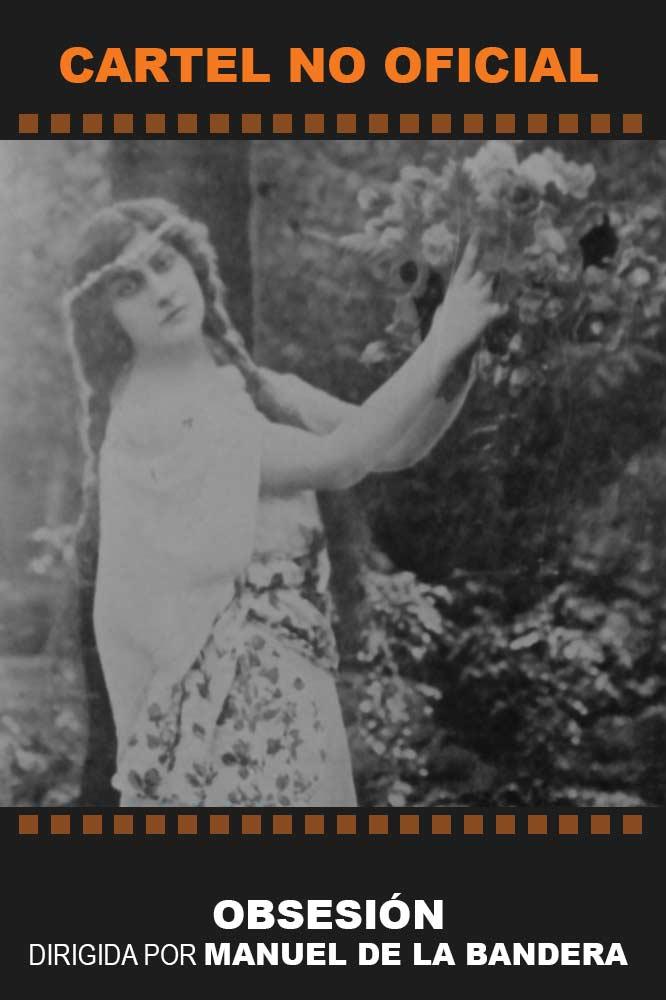
If cult cinema has a patron saint, it is the figure of the obsessive creator. In the Russian masterpiece Umirayushchiy lebed (The Dying Swan), we see the genesis of the 'unhinged artist' trope that would later fuel films like *Black Swan* or *The Red Shoes*. A grief-stricken ballerina becomes the focal point of an artist’s descent into madness, a narrative that mirrors the fanatical devotion of the cult film audience itself. The artist in the film does not just observe beauty; he seeks to possess and preserve it at any cost, much like the cinephile who collects obscure bootlegs and memorizes every frame of a forgotten masterpiece.
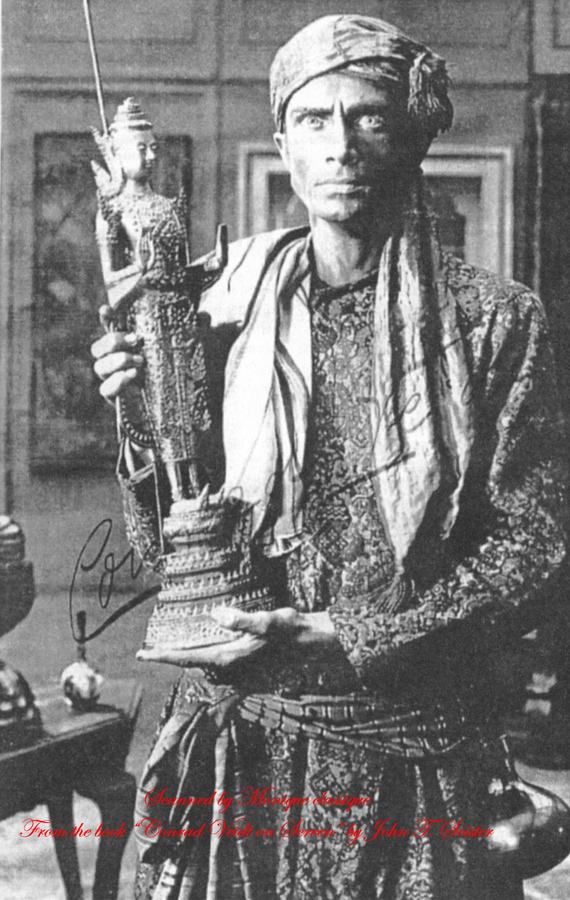
This theme of obsession extends to the very structure of these early films. Leaves From Satan's Book, with its episodic tales of human suffering spanning from the temptation of Jesus to the Russo-Finnish War, represents a structural radicalism. It asks the viewer to find a unifying thread through disparate eras of agony, anchored by the figure of Satan attempting to win back God's favor. This kind of ambitious, non-linear storytelling is a hallmark of cult favorites, demanding multiple viewings and deep analysis to fully grasp its esoteric message. It is the 'difficult' film that builds the strongest community, as fans bond over the shared labor of interpretation.
Subverting the Social Order: Ragpickers and Outcasts
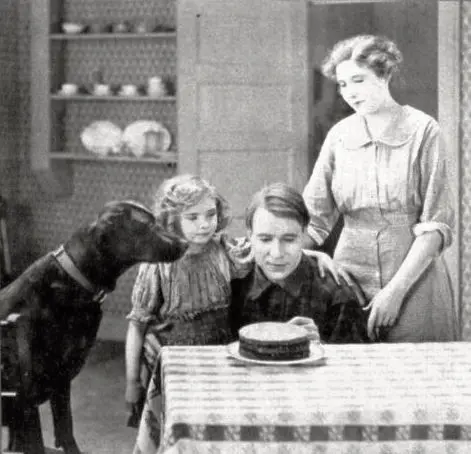
The cult film is frequently a sanctuary for the social pariah. In the 1910s, films like Father John; or, The Ragpicker of Paris and Mrs. Wiggs of the Cabbage Patch centered on characters who lived at the absolute margins of respectability. Father John, a ragpicker with a fondness for the bottle, is a classic 'holy fool' archetype—a man whose external poverty masks a complex, albeit flawed, internal world. Cult audiences have always been drawn to these 'beautiful losers,' finding more truth in the ragpicker’s bottle than in the hero’s medal.
Furthermore, the 1910s explored the 'unfortunate' nature of identity in ways that were remarkably progressive for their time. The Unfortunate Sex tells the story of Peggy, a girl given away by her wealthy father because she wasn't born a male, only to be raised by a 'kindly underworld crook.' This narrative of found family and the rejection of patriarchal lineage is a cornerstone of the cult ethos. It celebrates the outsider who creates their own destiny away from the judgmental eyes of the elite. When Peggy sells papers at a newsstand, she isn't just a victim of circumstance; she is a survivor of a system that tried to erase her before she even spoke her first word.
Gender-Bending and the Kaiser: The Comedy of Subversion
Cult cinema and camp are inextricably linked, and the 1910s were surprisingly adept at using gender subversion for both political and comedic ends. Yankee Doodle in Berlin features a protagonist who disguises himself as a woman to fool the German High Command, including the Kaiser. While played for laughs, the image of a man in drag infiltrating the highest seats of enemy power is a potent symbol of the fluidity and performative nature of identity—themes that would later be central to the cult appeal of films like *Pink Flamingos* or *The Rocky Horror Picture Show*. This playfulness with gender roles suggested that the 'fixed' nature of society was merely a costume that could be swapped or discarded at will.
Even in more traditional genres like the Western, the 1910s found ways to inject a sense of the uncanny. Riders of the Purple Sage introduces us to Lassiter, a Texas Ranger pursuing a mysterious sect. The inclusion of religious abduction and the vast, lonely landscapes of the West adds a layer of gothic dread to the typical frontier narrative. It is this 'genre-plus' approach—adding elements of horror or mystery to a standard Western—that creates the hybridity so beloved by niche audiences. It is the feeling that you are watching something that doesn't quite belong in any single box.
The Specter of War and the End of Innocence
As the 1910s drew to a close, the shadow of World War I began to permeate the celluloid. Films like The Battle of Jutland and Wife or Country dealt with the trauma of global conflict and the impossible choices it forced upon individuals. In *Wife or Country*, the protagonist commits suicide rather than compromise her husband’s integrity—a tragic, melodramatic end that feels like a precursor to the nihilism of later cult cinema. This era was witnessing the death of Victorian certainty, and the resulting vacuum was filled by stories of betrayal, sacrifice, and the haunting realization that the world was far more dangerous than previously imagined.
The return of delegations, as seen in Pristiganeto na bulgarskata delegatziya ot konferentziuata v Parizh, captured the somber reality of a post-war world. These documentary fragments, while not narrative films, contribute to the 'cult of the archive'—the fascination with capturing a fleeting, often painful moment in time. For the cult enthusiast, these fragments are just as vital as the grandest epic, providing a tangible link to a lost era of human experience.
The Fantastic and the Folklore: Peer Gynt and Beyond
Finally, we must acknowledge the role of the fantastic in forging the cult gaze. The 1910s adaptation of Ibsen's Peer Gynt brought a sense of mythological scale to the screen. Peer’s journey through various countries, making and losing fortunes, and eventually finding salvation, is the ultimate 'hero's journey' subverted by the character’s own braggadocio and selfishness. It is a proto-fantasy epic that paved the way for the surrealist and high-concept films that populate the cult canon today. The use of varied locations and the blend of folklore with existential dread created a visual language that was both alien and deeply familiar.
Whether it is the 'happy-go-lucky' cowboy of 3 Gold Coins or the eccentric millionaire of The Golden Idiot, the 1910s were populated by characters who defied easy categorization. They were the pioneers of the peculiar, the architects of the anomalous. When we look at the modern cult film, we are seeing the echoes of these early experiments. We are seeing the legacy of the flicker’s outlaw—the filmmakers and characters who refused to play by the rules of the burgeoning Hollywood machine.
Conclusion: The Eternal Return of the Misfit Reel
The 1910s were not a silent era in the sense of being quiet; they were a loud, boisterous, and often terrifying exploration of what cinema could be. From the cardsharpers of London to the ragpickers of Paris, these films offered a sanctuary for the strange. They established the tropes of obsession, identity, and moral ambiguity that would eventually blossom into the midnight movie phenomenon. By revisiting these forgotten masterpieces, we don't just learn about film history; we discover the primordial soup from which our own cinematic obsessions were born. The cult gaze is, and always has been, an act of looking for the light in the most unexpected of shadows.
Community
Comments
Log in to comment.
Loading comments…