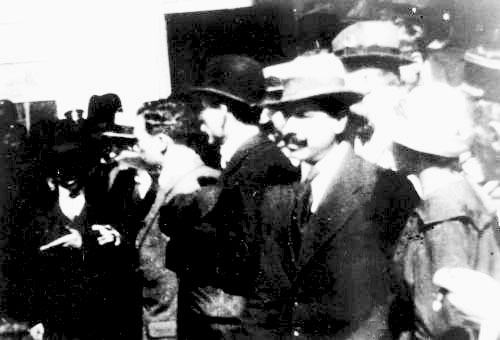
The peace Treaty at the end of World War I was signed in Neuilly, France on November 27, 1919. The Bulgarian delegation is returning to Sofia.
Bulgaria
To watch the grainy, oscillating frames of Pristiganeto na bulgarskata delegatziya ot konferentziuata v Parizh is to engage in a form of secular séance. This is not merely a film; it is a laceration in time, a window into the precise moment when the 19th-century dreams of a Greater Bulgaria were formally interred. Fi...
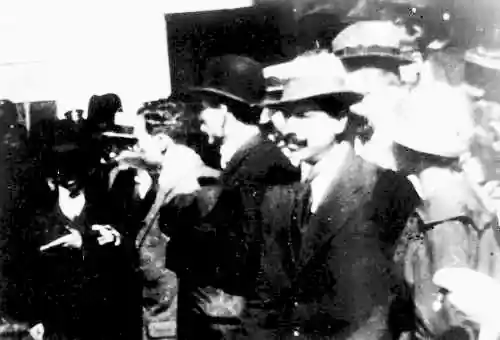
still_frame
Comparing the cinematic DNA and archive impact of two defining moments in cult history.
Unknown Director

Unknown Director
Community
Log in to comment.
" To watch the grainy, oscillating frames of Pristiganeto na bulgarskata delegatziya ot konferentziuata v Parizh is to engage in a form of secular séance. This is not merely a film; it is a laceration in time, a window into the precise moment when the 19th-century dreams of a Greater Bulgaria were formally interred. Filmed on November 27, 1919, the newsreel captures the return of Prime Minister Alexander Stamboliyski and his entourage from the harrowing negotiations in France. While contemporary..."

Deep dive into the cult classic
Discover similar cinematic experiences