
DbcultAccessing Vault...
Director's Spotlight
Senior Film Conservator
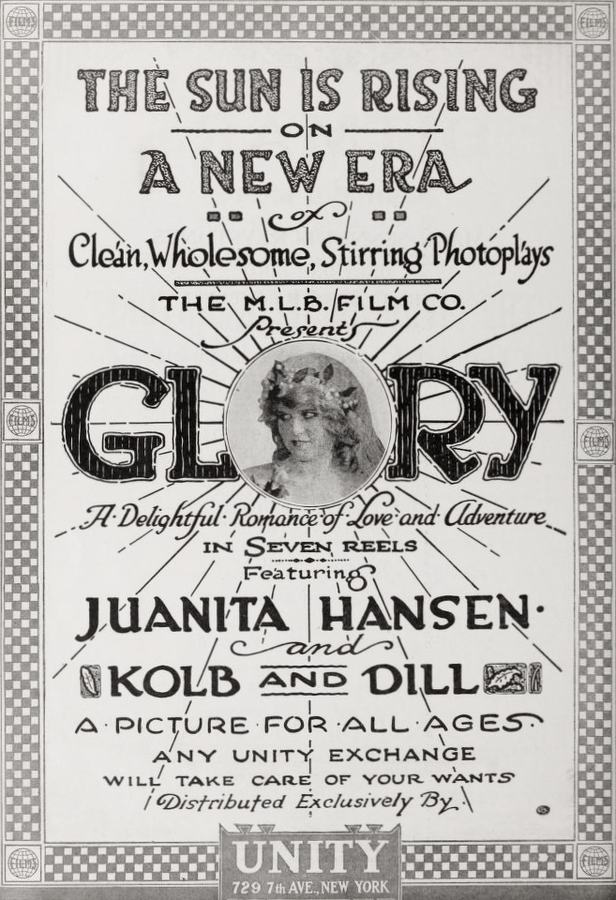
Director's Spotlight: United States
A Deep Dive into the 1917 Vision of Francis J. Grandon
The 1917 release of Glory marked a significant moment for the enduring legacy of Francis J. Grandon's artistic contribution to the genre. By challenging the status quo of 1917 cinema, it has cemented its place in the global cult cinema archive.
In Glory, Francis J. Grandon pushes the boundaries of conventional narrative. The film's unique approach to its subject matter has sparked endless debates and interpretations among cinephiles and critics alike.
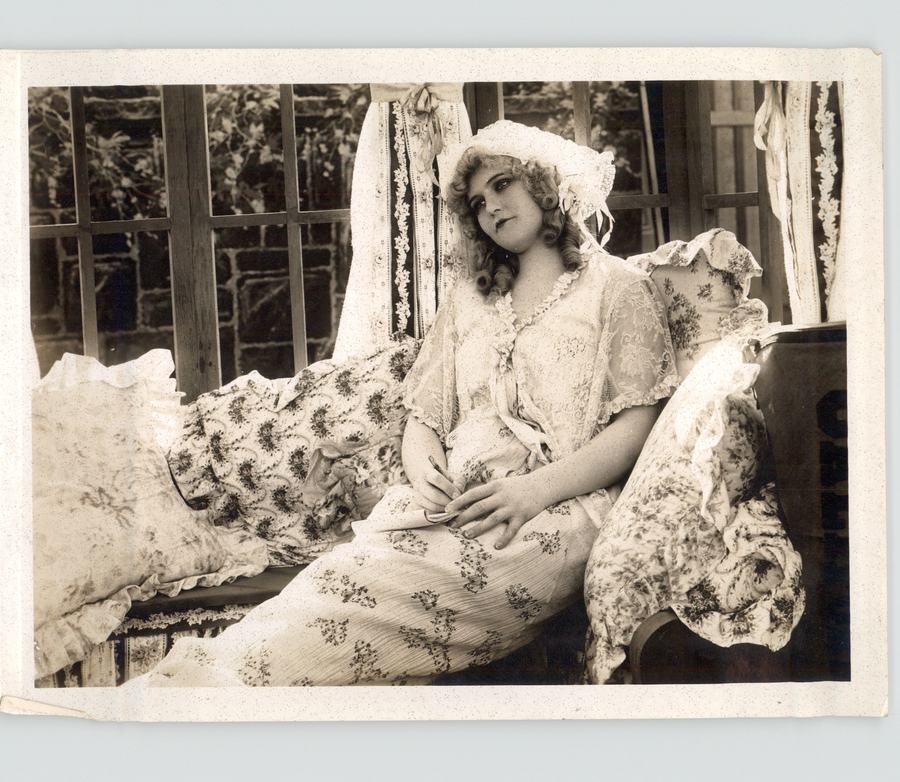
In this work, Francis J. Grandon explores the intersection of cult and United States cultural identity. The meticulous attention to detail suggests a deep-seated commitment to pushing the boundaries of the medium, ensuring that Glory remains a relevant topic of study for cult enthusiasts.
| Cinematography | Static |
| Soundtrack | Diegetic |
| Editing | Elliptical |
| Art Direction | Expressionist |
Visualizing the convergence of Francis J. Grandon's style and the core cult narrative.
The story opens in the office of an oil company. The president received a letter from a friend notifying him there is oil in the town of Glory. He forms a dummy railroad company and sends a representative to Glory to get rights to the property by promising that the dummy company will establish a station at Glory. While getting the rights to the property, the oil representative goes through what he supposes a fake marriage with the postmistress of the village. Time passes and the postmistress leaves the village for a neighboring town, where she gives birth to a child. Unable to support the child, she brings the baby to the village hotel run by two Germans, and, under cover of darkness, leaves the baby there. The baby is adopted by the village, named Glory Glory, and brought up by the two Germans. In the meantime the mother has made her way to the city and drops from exhaustion in front of the president of the oil company's house, when she is picked up and carried in. Upon examination by the doctor he finds the fall has caused her to lose her memory. The president is a widower and upon the woman's recovery decides to have her stay as governess and bring up his young son. Several years pass by and both Glory and the president's son are grown up. They accidentally meet and fall in love. The oil company decides to take possession of the property at Glory and then a fight ensues, the son taking sides with the girl he loves and her people. During the lapse of years the man who put through the original deal for the oil company and who married the postmistress has risen to be a judge. The case is brought before him and he dismissed the charges of the citizens of Glory. The son decides to assist and steals the papers relative to the case. The judge and president of the company finally decide to make restitution. The marriage is found to be legal. The people get the oil property back, and Glory is happy with her sweetheart.
Decades after its release, Glory remains a vital piece of the cinematic puzzle. Its influence can be seen in countless modern works, solidifying Francis J. Grandon's status as a master of the craft in United States and beyond.