
DbcultAccessing Vault...
Director's Spotlight
Senior Film Conservator
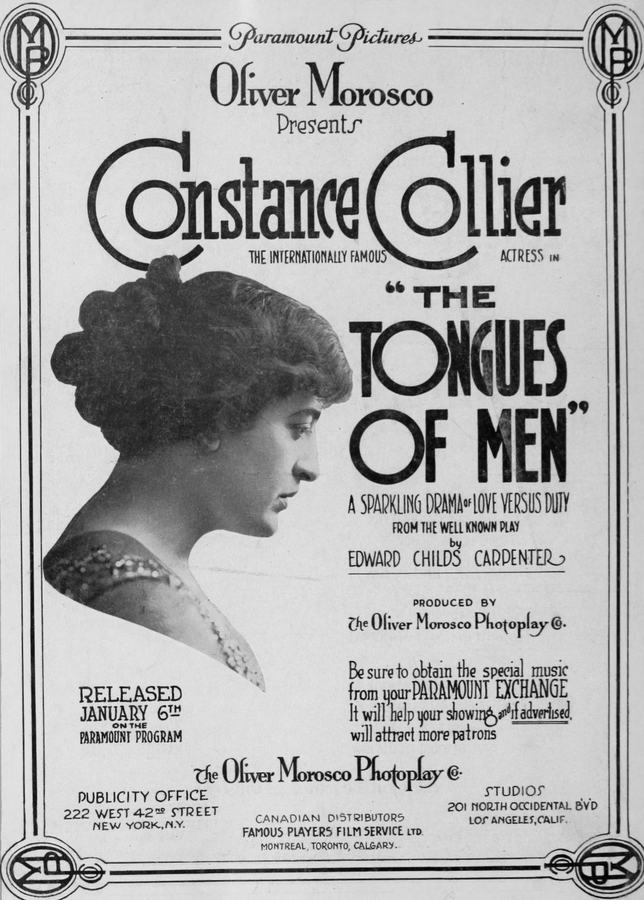
Director's Spotlight: United States
A Deep Dive into the 1916 Vision of Frank Lloyd
Witnessing the stylistic transformation of cult through The Tongues of Men reveals the provocative questions that Frank Lloyd poses to the United States audience. Exploring the nuances of the human condition with cult flair, it showcases the power of cult as a tool for social commentary.
In The Tongues of Men, Frank Lloyd pushes the boundaries of conventional narrative. The film's unique approach to its subject matter has sparked endless debates and interpretations among cinephiles and critics alike.
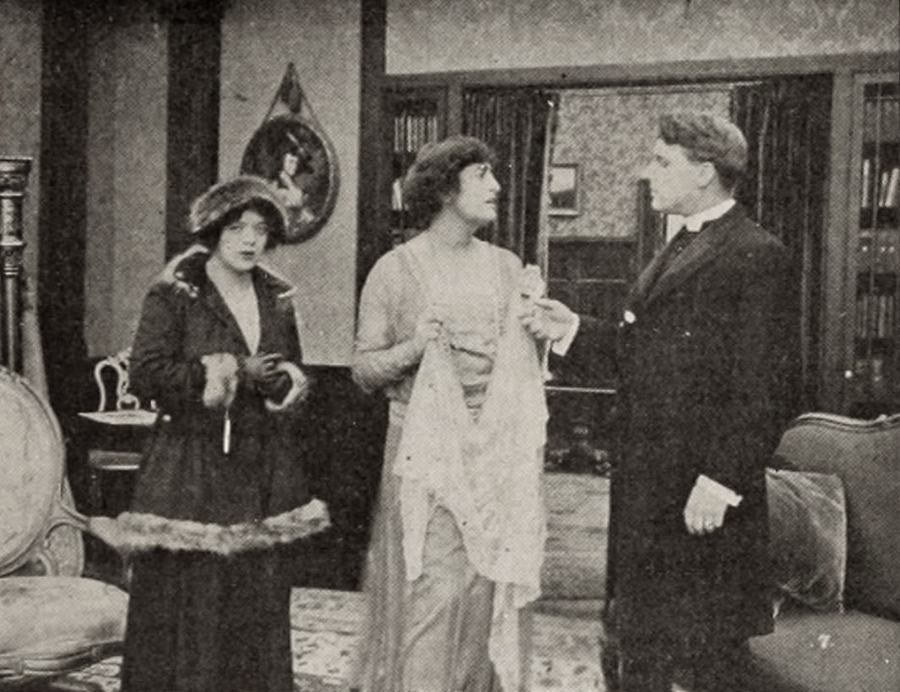
The visual language of The Tongues of Men is defined by its use of shadows and framing, a hallmark of Frank Lloyd's style. By utilizing a 1916-era palette, the film creates an immersive experience that perfectly complements its cult themes.
| Cinematography | Handheld |
| Soundtrack | Minimalist |
| Editing | Slow-Burn |
| Art Direction | Brutalist |
Visualizing the convergence of Frank Lloyd's style and the core cult narrative.
Rev. Dr. Penfield Sturgis, of fashionable St. Martins-in-the-Lane, finds himself face to face with Jane Bartlett, a grand opera prima donna whose opera he has denounced on grounds of morality, and who comes to his very vestry room to make him "eat his sermon word for word." Out of the encounter a strange acquaintance develops, Jane Bartlett interested through vindictive reasons, the rector through the challenge to his church. She prevails upon him to visit the notorious opera, which but deepens his previous convictions, but meanwhile he discovers a surprising humanity in the woman herself. Just as it is beginning to dawn upon him that maybe he takes himself a shade too seriously, word comes that the Mayor has closed "Zaporah" on the strength of his own condemnatory sermon. Repentant, Sturgis decides to apologize in an open letter to the newspapers, at which his vestry and congregation, already perturbed by the ascendancy of the Bartlett woman, are up in arms. To preserve her dignity the young rector offers to marry her, and she accepts him, thus at last making him "eat his sermon word for word," as she had set out to do. But her vanity appeased, Jane Bartlett proceeds to make peace between her young rector and Georgine Darigal, daughter of the rector emeritus and formerly his fiancée, and the reconciliation assured, Jane Bartlett gracefully withdraws.
Decades after its release, The Tongues of Men remains a vital piece of the cinematic puzzle. Its influence can be seen in countless modern works, solidifying Frank Lloyd's status as a master of the craft in United States and beyond.