
DbcultAccessing Vault...
Director's Spotlight
Senior Film Conservator
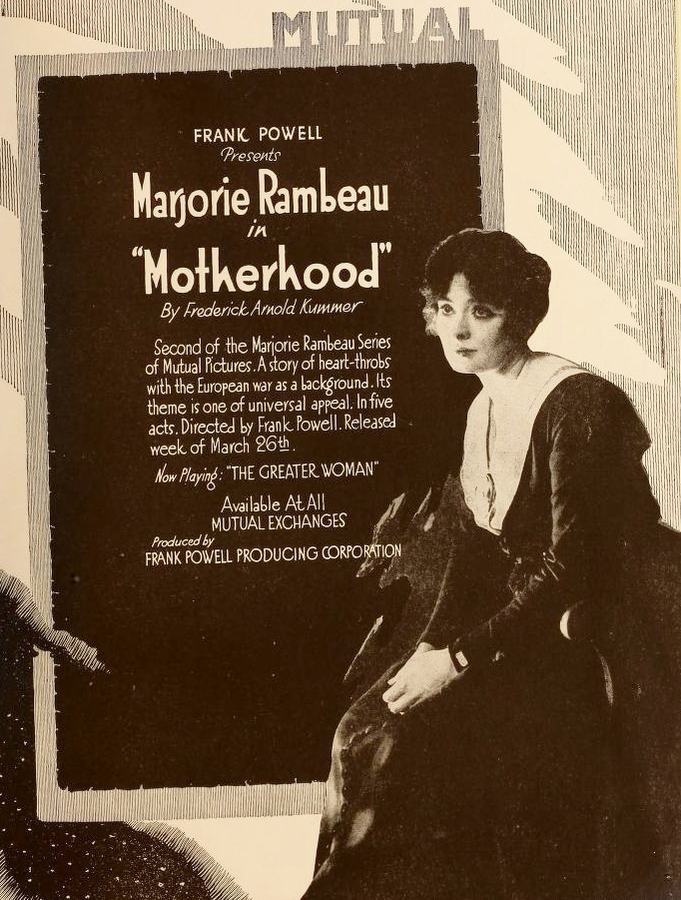
Director's Spotlight: United States
A Deep Dive into the 1917 Vision of Frank Powell
To understand the modern evolution of United States film, one must first look at Motherhood and the meticulous attention to detail that Frank Powell applied to every frame. Reflecting the political and social shifts of the 1917s, it showcases the power of cult as a tool for social commentary.
In Motherhood, Frank Powell pushes the boundaries of conventional narrative. The film's unique approach to its subject matter has sparked endless debates and interpretations among cinephiles and critics alike.
To fully appreciate Motherhood, one must consider the cinematic climate of 1917. During this period, United States was undergoing significant artistic shifts, and Frank Powell was at the forefront of this cult movement, often challenging established norms.
| Cinematography | Noir-Inspired |
| Soundtrack | Diegetic |
| Editing | Rhythmic |
| Art Direction | Naturalist |
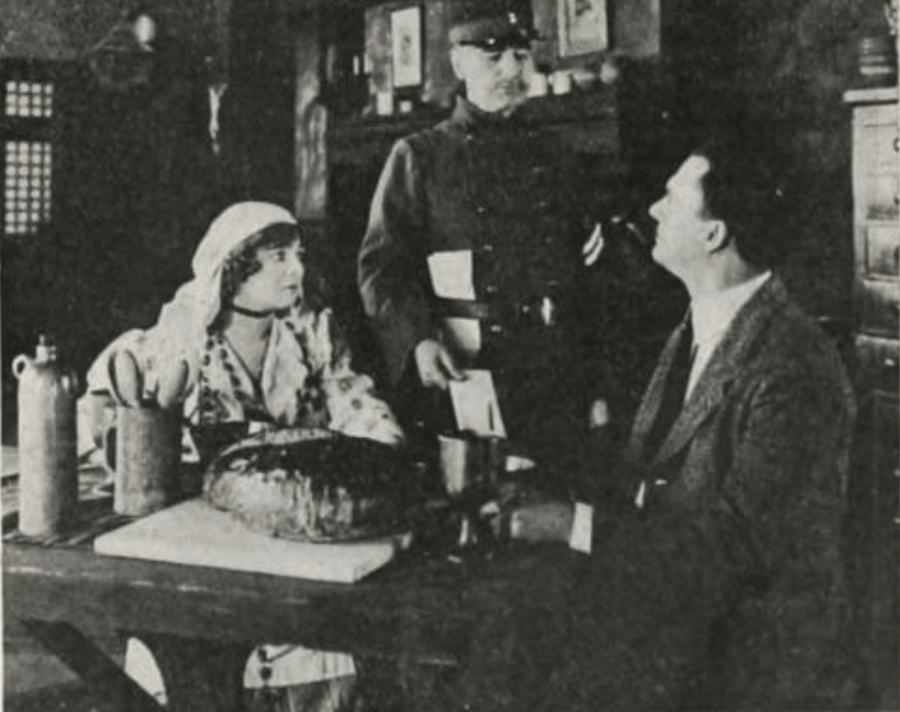
Visualizing the convergence of Frank Powell's style and the core cult narrative.
The husband and wife of a typical American family read the story of Albert and Louise, European peasants. Albert, called to war, is able to come home but once during the conflict. The captain of the enemy takes up his headquarters in Albert's house and forces his attention upon Louise. War over, Albert returns home rejoicing in the news of the birth of a son. He is told Louise has never looked at or touched the baby. Demanding an explanation Louise tells of the visit of the captain. Albert would kill the child, but Louise's motherhood asserts itself and she saves its life. The American family rejoice on completing the story that America is at peace.
Decades after its release, Motherhood remains a vital piece of the cinematic puzzle. Its influence can be seen in countless modern works, solidifying Frank Powell's status as a master of the craft in United States and beyond.