
DbcultAccessing Vault...
Director's Spotlight
Senior Film Conservator
Director's Spotlight: United States
A Deep Dive into the 1922 Vision of Frank Urson
Peeling back the layers of Frank Urson's South of Suva exposes the collaborative alchemy between Frank Urson and the 1922 creative team. Anchored by a narrative that is both personal and universal, it reinforces the idea that cinema is a medium of infinite possibilities.
In South of Suva, Frank Urson pushes the boundaries of conventional narrative. The film's unique approach to its subject matter has sparked endless debates and interpretations among cinephiles and critics alike.
While deeply rooted in United States, South of Suva has achieved a global reach, influencing directors from various backgrounds. Its ability to translate Drama tropes into a universal cinematic language is why it remains a cult staple decades after its 1922 release.
| Cinematography | Deep Focus |
| Soundtrack | Experimental |
| Editing | Invisible |
| Art Direction | Kitsch |
Visualizing the convergence of Frank Urson's style and the core Drama narrative.
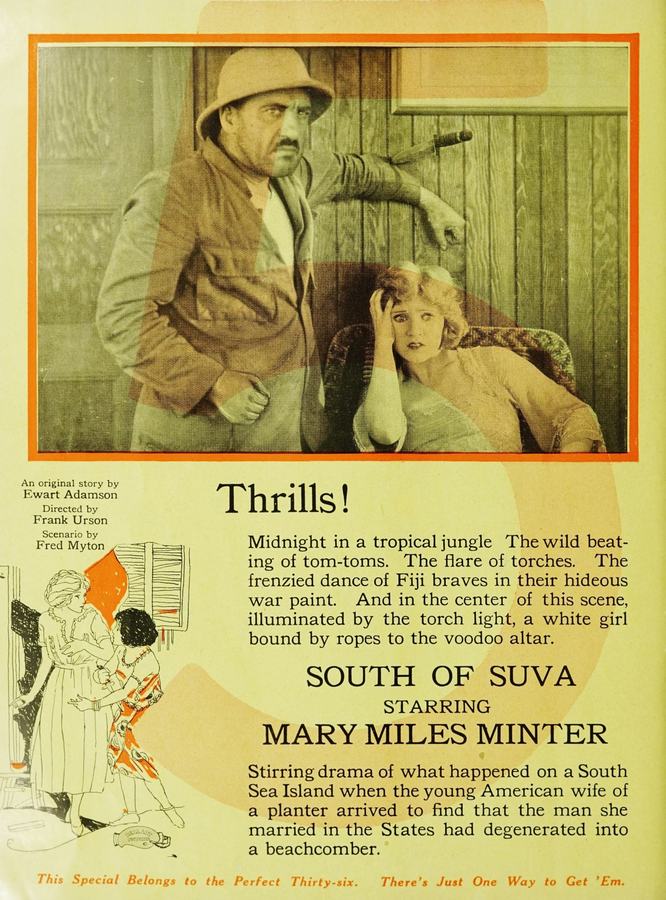
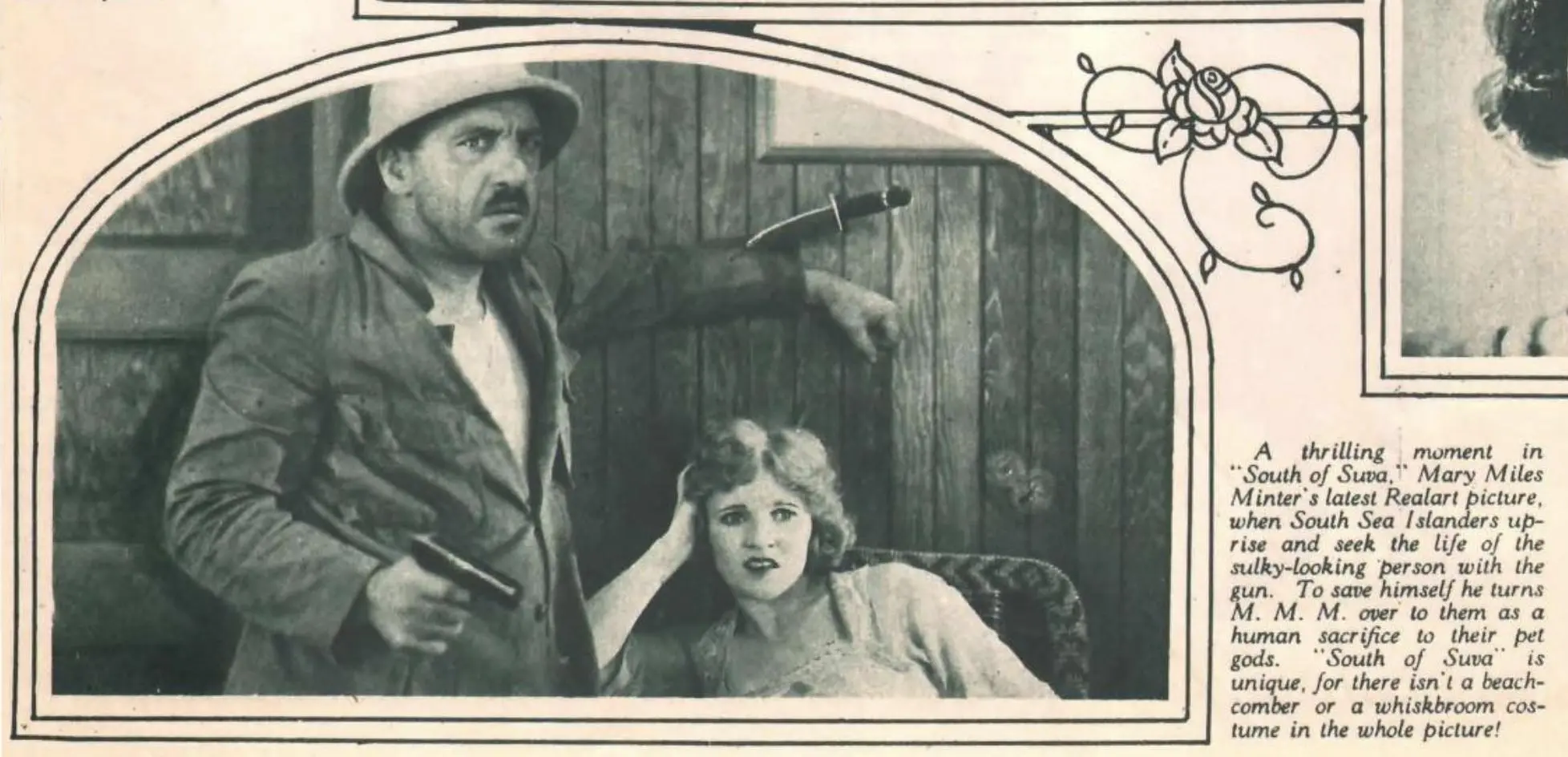
Phyllis Latimer goes to Fiji to rejoin her husband of three years and finds him in a state of drunken degeneracy, incapable of reform. Fleeing his advances, she escapes to a nearby island; and there she impersonates Pauline Leonard, ward of John Webster. When Latimer incites a native uprising against Webster, who hires Hindu laborers, he finds Phyllis on the island, drags her home with him, and in a frenzy gives her to the natives for a human sacrifice. Webster and the government police arrive in time to save Phyllis, and Latimer is killed in the riot. Phyllis and Webster reveal their mutual love.
Decades after its release, South of Suva remains a vital piece of the cinematic puzzle. Its influence can be seen in countless modern works, solidifying Frank Urson's status as a master of the craft in United States and beyond.