
DbcultAccessing Vault...
Director's Spotlight
Senior Film Conservator
Director's Spotlight: United States
A Deep Dive into the 1917 Vision of Fred E. Wright
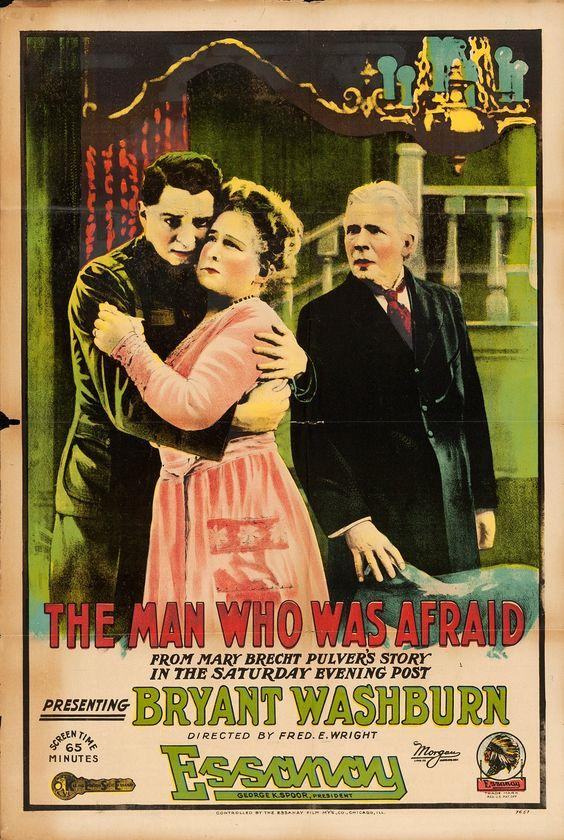
The cult DNA of The Man Who Was Afraid is a reflection of United States's the subversive storytelling techniques employed by Fred E. Wright in 1917. Breaking the traditional rules of cult engagement, it leaves an indelible mark on the soul of the viewer.
In The Man Who Was Afraid, Fred E. Wright pushes the boundaries of conventional narrative. The film's unique approach to its subject matter has sparked endless debates and interpretations among cinephiles and critics alike.
| Cinematography | Handheld |
| Soundtrack | Experimental |
| Editing | Elliptical |
| Art Direction | Expressionist |
Visualizing the convergence of Fred E. Wright's style and the core cult narrative.
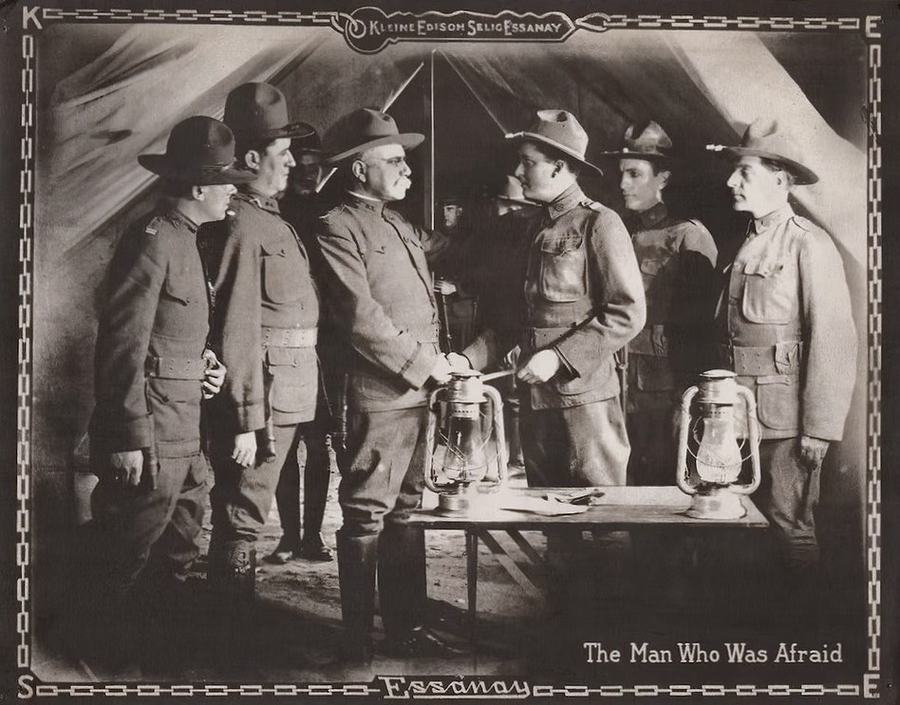
Young Benton Clune is not a coward at heart. He is a victim of over-zealous mother love which has grown to exert too great an influence over him. When the President's call to arms comes, Clune's regiment of National Guard prepares. Mrs. Clune is terror-stricken. She induces Benton to resign from the unit. His comrades brand him a "slacker," and the girl he loves spurns him. The regiment moves off to war. Lacerated by the taunts which greet him on all sides, Clune's manhood finally asserts itself and he hastens to the front. He finds his regiment in a desperate plight. The enemy, in overwhelming numbers, is threatening to annihilate it. The colonel calls for a volunteer to make a perilous trip for reinforcements. Those who had jeered at Clune held back from what seemed inevitable death. The man they had called "slacker," steps forth. His trip through the enemy lines forms a series of hairbreadth escapes but proves successful in the end. Thus Benton redeems his honor and wins the girl he loves.
Decades after its release, The Man Who Was Afraid remains a vital piece of the cinematic puzzle. Its influence can be seen in countless modern works, solidifying Fred E. Wright's status as a master of the craft in United States and beyond.