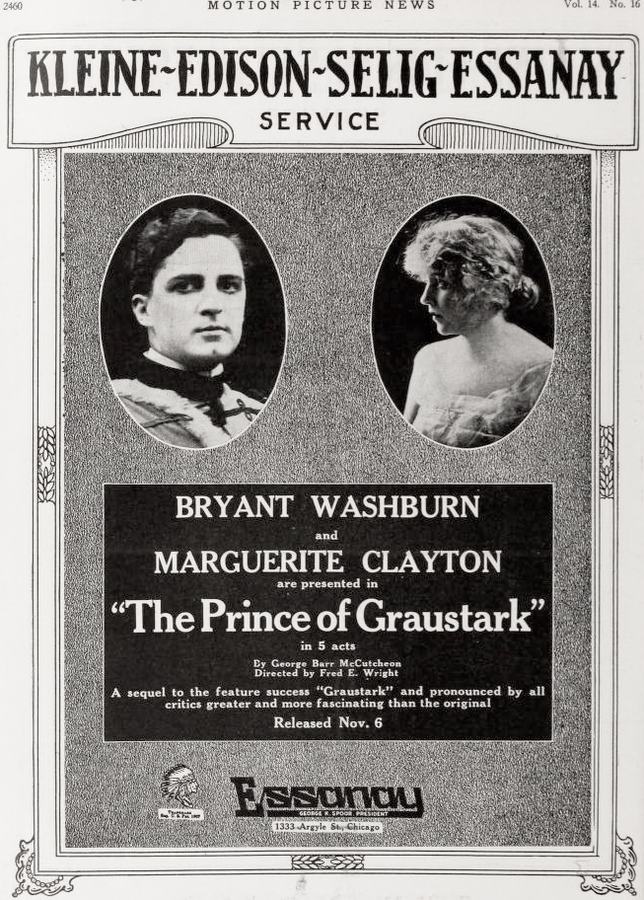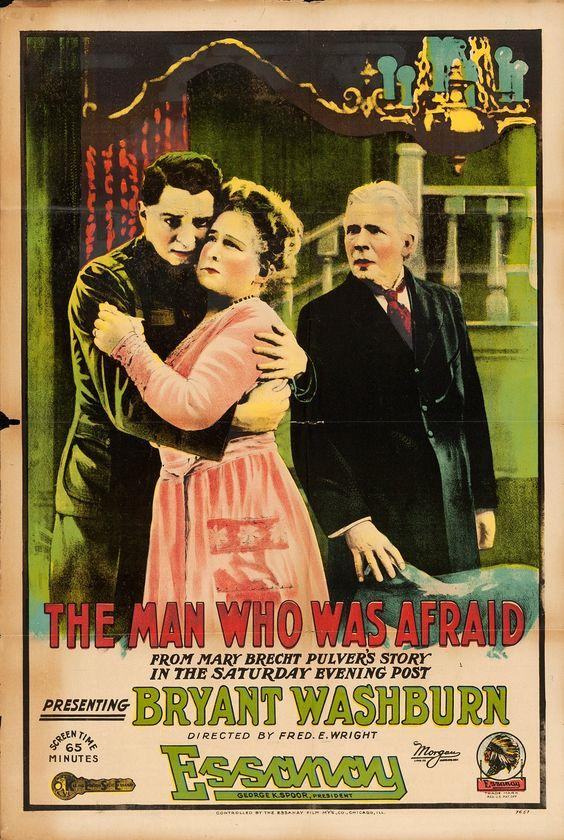
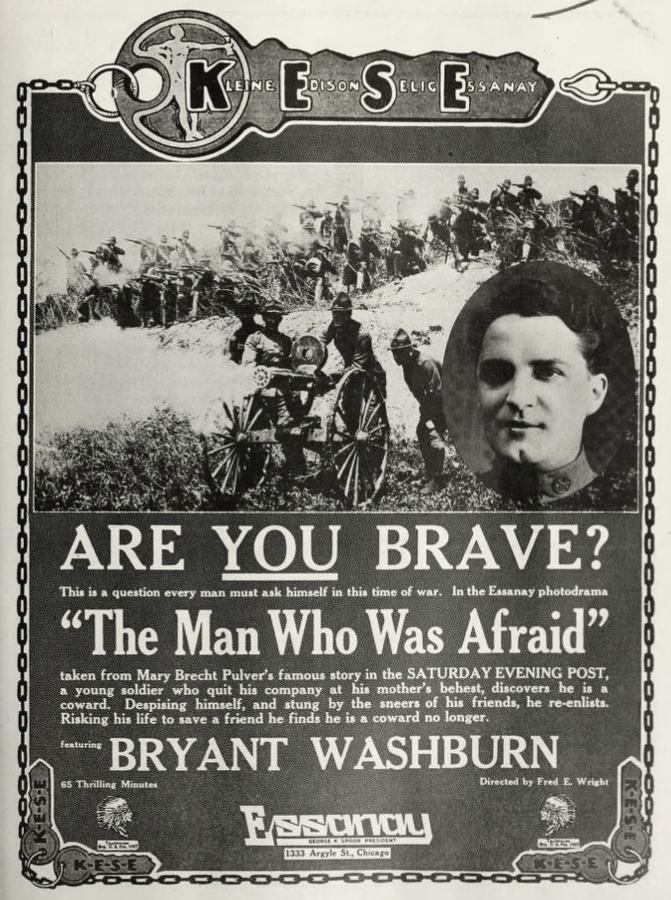
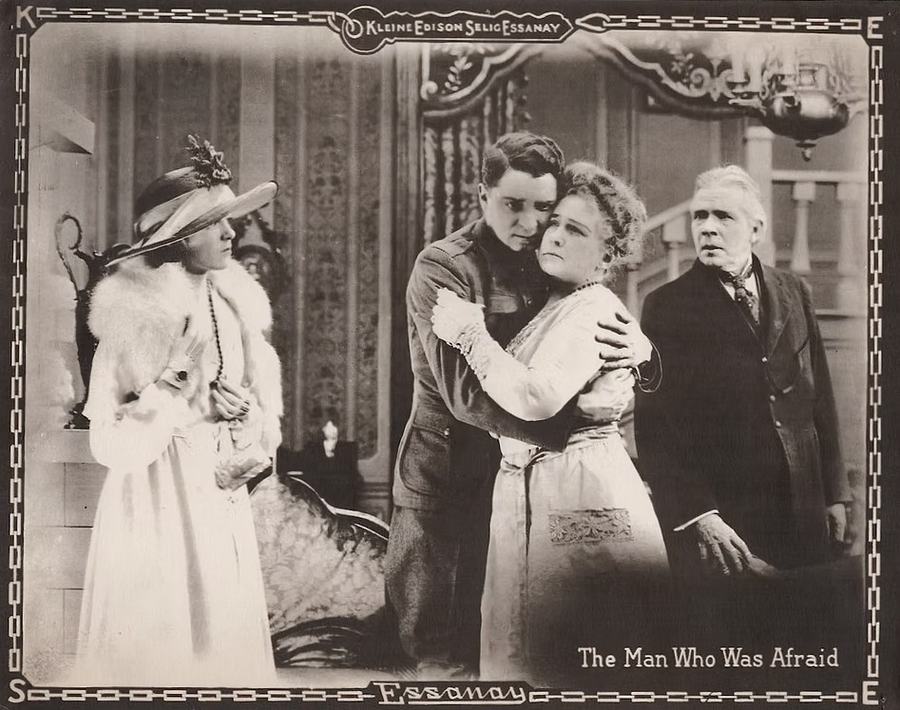
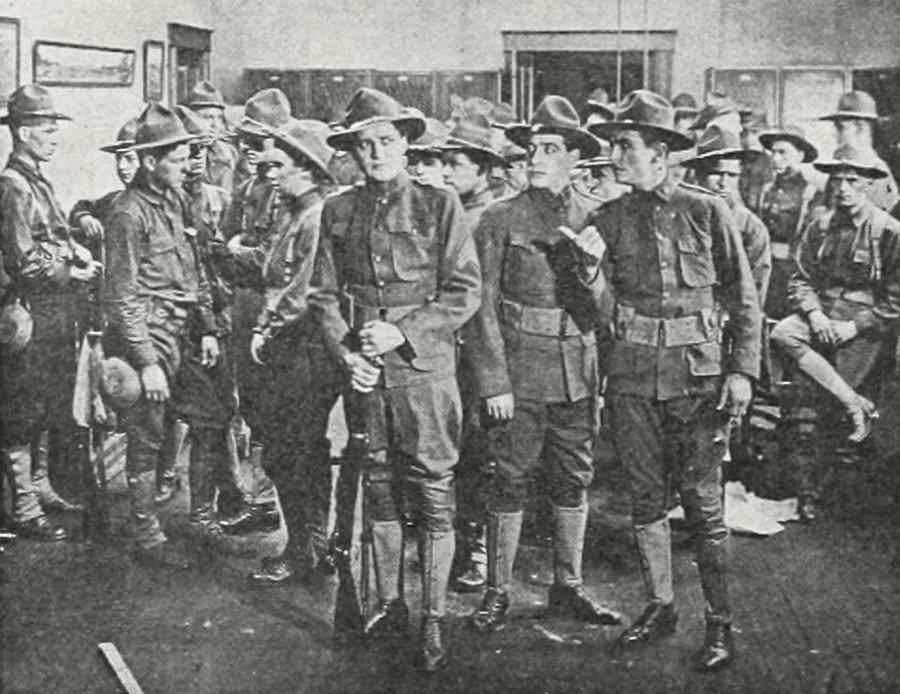
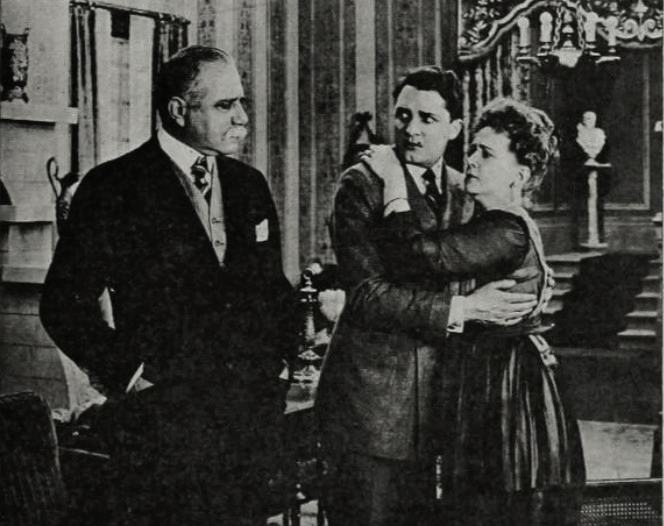
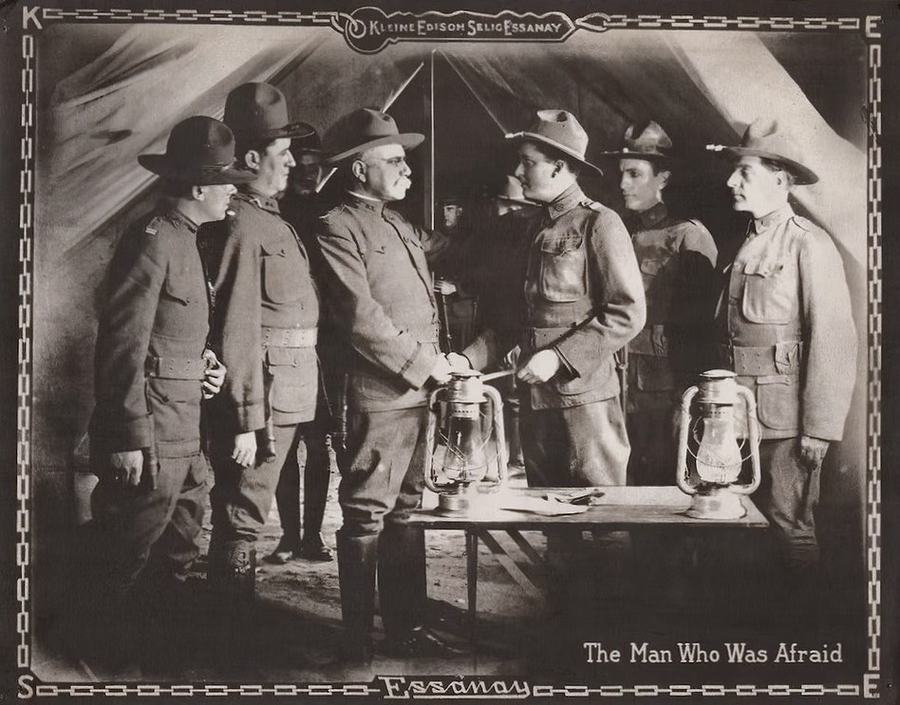
Young Benton Clune is not a coward at heart. He is a victim of over-zealous mother love which has grown to exert too great an influence over him.
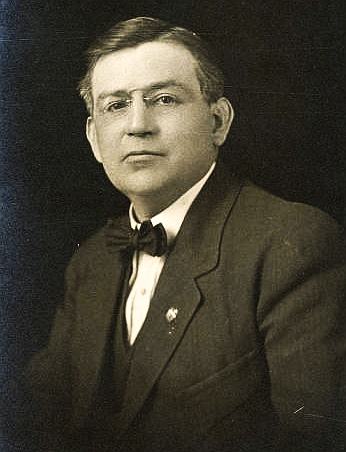
Mary Brecht Pulver, H. Tipton Steck
United States
Amid the celluloid avalanche of 1917, while Chaplin’s tramp blithely tilted canes and Griffith’s Intolerance still echoed across lecture halls, The Man Who Was Afraid slithered into neighborhood theatres brandishing a war-whoop masquerading as domestic psychodrama. The opening title card—white letters quivering like mo...
publicity
publicity
still_frame
still_frame
publicity

Comparing the cinematic DNA and archive impact of two defining moments in cult history.
Fred E. Wright
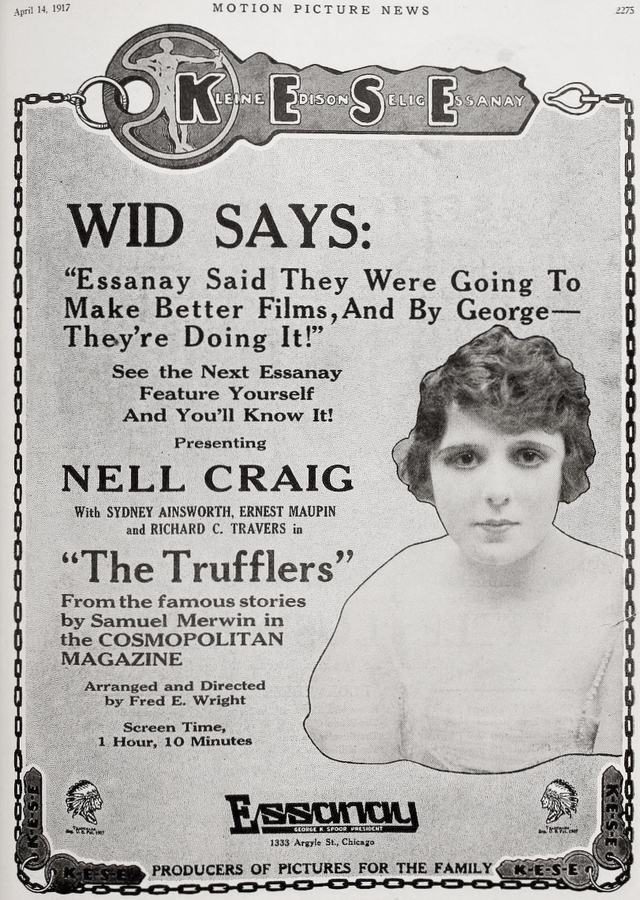
Fred E. Wright
Community
Log in to comment.
"Amid the celluloid avalanche of 1917, while Chaplin’s tramp blithely tilted canes and Griffith’s Intolerance still echoed across lecture halls, The Man Who Was Afraid slithered into neighborhood theatres brandishing a war-whoop masquerading as domestic psychodrama. The opening title card—white letters quivering like moth-wings against obsidian—warns of a “mother’s love grown monstrous,” and already the picture stakes its claim in Freudian marshes rarely mapped on nickelodeon screens of the era. ..."
Deep dive into the cult classic
Discover similar cinematic experiences
A Directorial Spotlight on Fred E. Wright