
DbcultAccessing Vault...
Director's Spotlight
Senior Film Conservator
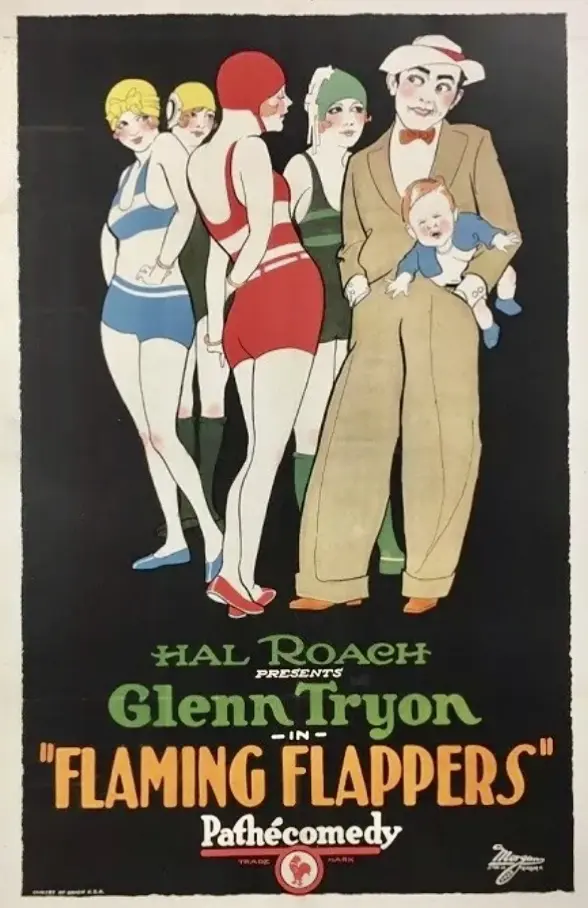
Director's Spotlight: United States
A Deep Dive into the 1925 Vision of Fred Guiol
The Comedy DNA of Flaming Flappers is a reflection of United States's the subversive storytelling techniques employed by Fred Guiol in 1925. Breaking the traditional rules of Comedy engagement, it leaves an indelible mark on the soul of the viewer.
In Flaming Flappers, Fred Guiol pushes the boundaries of conventional narrative. The film's unique approach to its subject matter has sparked endless debates and interpretations among cinephiles and critics alike.
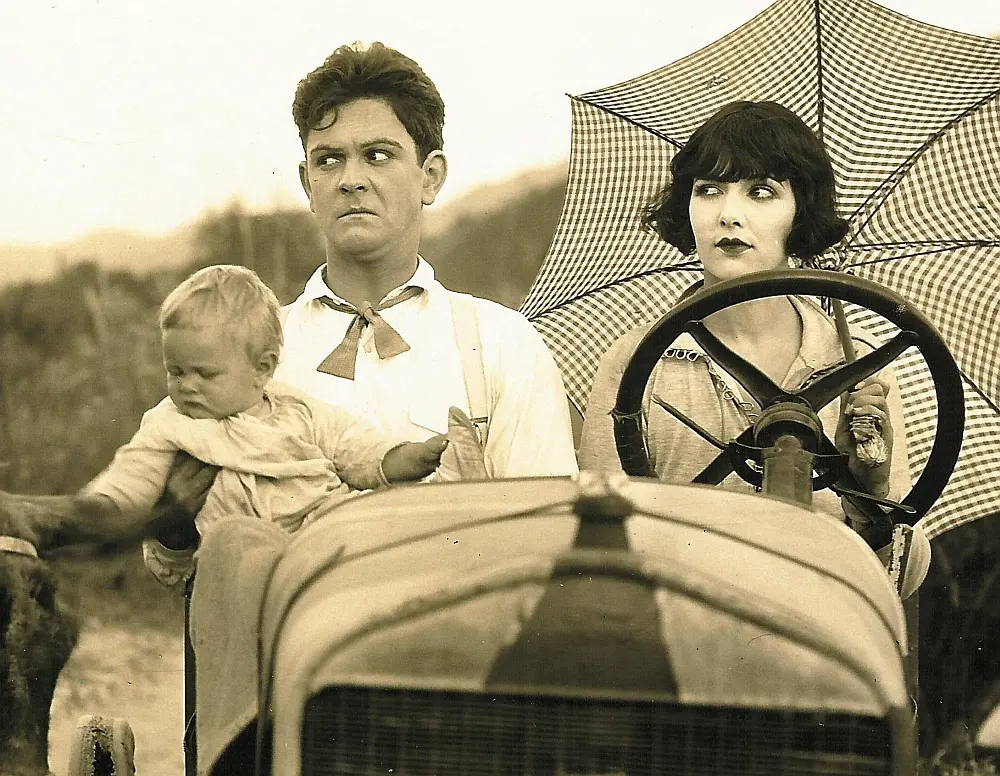
The visual language of Flaming Flappers is defined by its use of shadows and framing, a hallmark of Fred Guiol's style. By utilizing a 1925-era palette, the film creates an immersive experience that perfectly complements its Comedy themes.
| Cinematography | Noir-Inspired |
| Soundtrack | Diegetic |
| Editing | Rhythmic |
| Art Direction | Naturalist |
Visualizing the convergence of Fred Guiol's style and the core Comedy narrative.
Glen and his friends are attending a co-ed school and are managing to have a very enjoyable time of it - in fact so much so - that Glen becomes engaged to one of the fair co-eds. His sister precedes him to the home town and breaks the news of his engagement to the family. In the meantime Glen and his sweetie enlist the aid of a rickety old flivver lo make the visit to the relatives. They have a tough time keeping the old car together and to further add to their difficulties, decide to adopt an orphan baby on the way home. Most of the comedy is furnished by Glen's efforts to keep the old car in the road and the furor that they cause at home when they drive up with the baby.
Decades after its release, Flaming Flappers remains a vital piece of the cinematic puzzle. Its influence can be seen in countless modern works, solidifying Fred Guiol's status as a master of the craft in United States and beyond.