
Cult Cinema
The Fringe’s First Fever: How Early Cinema’s Misfit Narratives Birthed the Modern Cult Obsession
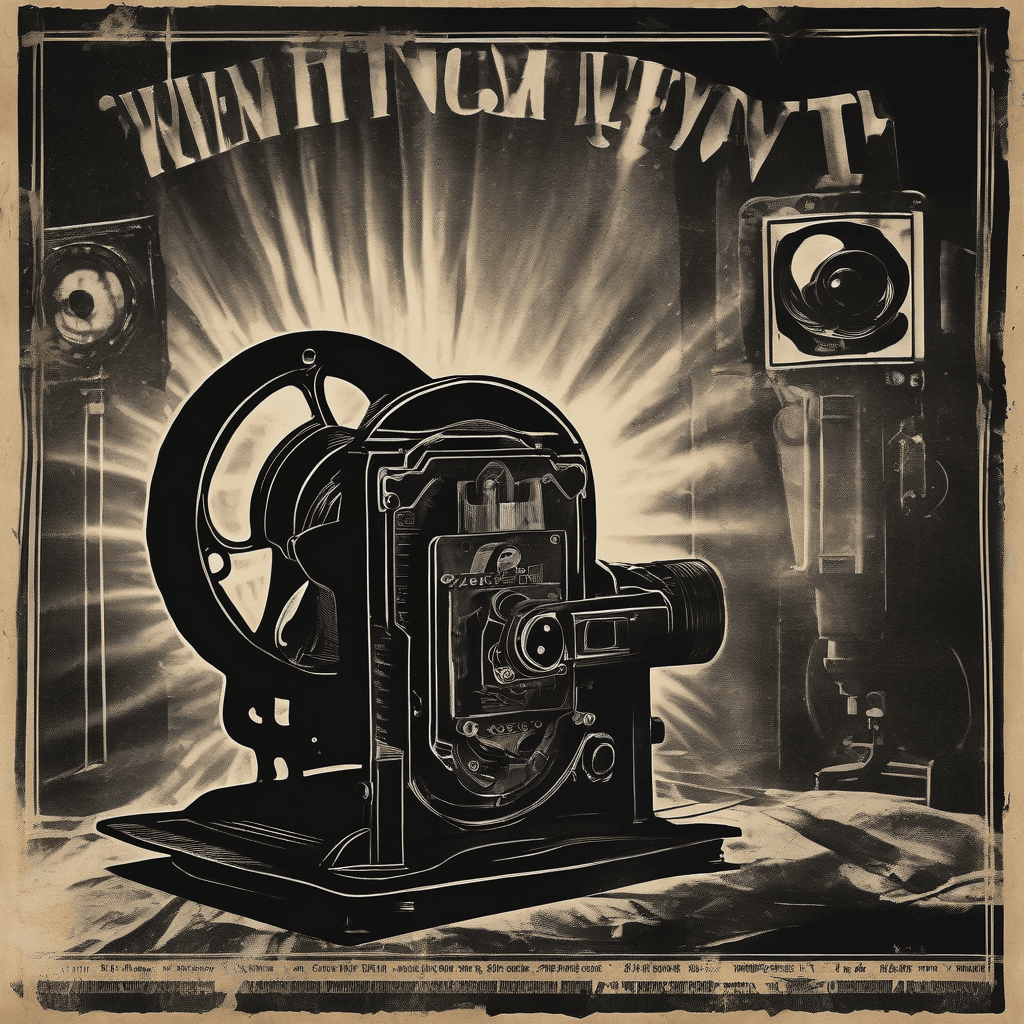
“A deep dive into the primal roots of cult cinema, examining how the silent era's most daring and unconventional films paved the way for the midnight movie phenomenon.”
The history of cinema is often told through the lens of the victors—the blockbusters, the Oscar winners, and the technical pioneers. However, beneath the surface of the mainstream marquee lies a darker, more eccentric current: the world of cult cinema. While many associate the term with the midnight movies of the 1970s, the genetic material of the cult obsession was actually forged in the silent era and the early days of the talkies. This was a period of radical experimentation, where narrative boundaries were fluid and the concept of 'genre' was still being written in blood and nitrate. To understand the modern cult gaze, one must look back at the outliers, the misfits, and the transgressive visions that refused to adhere to the burgeoning Hollywood code.
The Moral Outlaws: Subverting the Social Order
One of the defining characteristics of a cult film is its willingness to challenge prevailing moralities. In the early 20th century, films like The Disciple (1915) began this tradition of subversion. By presenting Jim Houston, the 'Shootin' Iron' Parson, as a man attempting to reform a frontier community through both scripture and lead, the film introduced a grit that stood in stark contrast to the saccharine melodramas of the time. This archetype of the 'moral outlaw' is a cornerstone of the cult experience—characters who operate outside the law to achieve a personal sense of justice.
Similarly, Should a Husband Forgive? (1919) pushed the boundaries of domestic drama. By exploring the fallout of an affair and a subsequent duel, it touched on the 'forbidden' themes that would later define the transgressive nature of cult cinema. These films didn't just tell stories; they provoked reactions. They forced audiences to confront the uncomfortable, much like The Girl from the Marsh Croft (1917), which tackled the stigma of unwed motherhood with a realism that was both shocking and deeply empathetic for its era. These early works were the precursors to the social-rebellion films of the counterculture era, proving that the 'fringe' has always been interested in the stories the mainstream prefers to ignore.
Genre Mutations and the Birth of the Strange
Cult cinema thrives on the 'weird'—the films that don't quite fit into a single box. The silent era was rife with these genre mutations. Take, for instance, The Intrigue (1916). This film blended espionage with early science fiction, centering on the control of a 'death ray' during World War I. This kind of high-concept, pulp-driven narrative is the exact sort of material that late-night television would eventually turn into cult gold. It represented a leap into the fantastical that felt dangerous and unpolished.
The Surrealist Slapstick of the Early Underground
Comedy in the early days was often more surreal than we give it credit for. High and Dizzy (1920) is a prime example. While ostensibly a comedy about a tipsy doctor, the imagery of a sleepwalker on a high building ledge taps into a primal, almost nightmarish vertigo. This 'comedic grotesque' is a recurring theme in cult classics, where laughter is derived from a place of genuine unease. Other shorts like Spot Cash and Hard Cider utilized a frenetic, chaotic energy that would later influence the manic rhythms of underground animation and punk cinema. Even the absurdist humor in By Golly! (1920), featuring presentations dropped into cuspidors and stag parties gone wrong, hints at the irreverent, 'bad-taste' humor that icons like John Waters would eventually champion.
The Outcast Experience: Alien Souls and Immigrant Dreams
Cult films are the spiritual home for the marginalized. The early century’s cinema was surprisingly adept at capturing the 'otherness' of the human experience. Tony America (1918) and Alien Souls (1916) are fascinating artifacts of this. The former explores the virtual slavery of the padrone system, while the latter deals with the pursuit of a Japanese maiden by an unscrupulous American. These films, though products of their time, highlight the 'outsider' status that has always been the heartbeat of cult fandom. When we watch The Little Liar (1916), we see a protagonist who uses fiction to cope with the bleak reality of the slums—a meta-commentary on the power of cinema itself to provide an escape for the downtrodden.
This theme of class struggle and the 'unseen' worker is further explored in Upstairs (1919), where a scullery worker dreams of the fashionable life above. It’s this yearning for a different reality, often expressed through unconventional means, that resonates with the cult audience. Whether it's the 'rough-tongued' Viccy in East Is East (1916) or the abandoned child in Just Peggy (1924), these characters represent a defiance of circumstance that is inherently rebellious.
The International Underground: From Homunculus to the Soul of Bronze
The cult phenomenon has never been limited to Hollywood. In Germany, the Homunculus series (specifically Homunculus, 6. Teil - Das Ende des Homunculus) created an enduring archetype of the artificial man seeking a soul—a precursor to the myriad of sci-fi cult classics that would follow. In Russia, Lyubov statskogo sovetnika (1915) explored the oppressive nature of 'boring family life' through the eyes of a ballerina, a theme of domestic ennui that would later be explored by the likes of Chantal Akerman. Even the French production The Soul of Bronze (1918), distributed in the US by Houdini’s company, brought a European sensibility to the narrative of industrial tragedy and romantic loss.
These international works, often brought to American shores by maverick distributors, provided a template for the global exchange of 'weird' cinema. From the Australian bush stories of While the Billy Boils (1921) to the Mexican revolutionary backdrop of Hitting the High Spots (1918), the early fringe was truly global. This cross-pollination of ideas ensured that the cult ethos was not a local anomaly but a universal human urge to see the world from a skewed perspective.
The Mystery of the Hidden Narrative
Many early films that we now consider 'proto-cult' were pioneers in narrative structure. The Mystery of the Yellow Room (1919) is a masterclass in the locked-room mystery, a trope that requires a specific type of obsessive viewership to fully appreciate. Similarly, The Active Life of Dolly of the Dailies (1914) utilized the serial format to build a dedicated, recurring audience—the literal definition of a 'cult' following. These films taught audiences how to engage with cinema as a puzzle or a ritual, rather than just a passive experience.
Identity, Masquerade, and the Maverick Soul
The recurring theme of the 'masquerade' in films like The Road to London (1921), where a Yankee and a duchess's niece pose as a society couple, or Alias Mrs. Jessop (1917), featuring identical cousins and mistaken identities, speaks to the cult obsession with identity. Cult cinema often celebrates the idea that we can be someone else—that the self is fluid. This is seen in The Fortunes of Fifi (1917), where a failed play becomes the catalyst for a veteran's newfound purpose, or The Eagle (1918), where a man becomes a thief to reclaim his family's stolen fortune. These narratives of transformation and reclamation are the bedrock of why certain films become 'sacred' to their fans.
Even the more obscure titles like The Isle of Conquest (1919) and Nice People (1922) explore the fringes of human behavior—shipwrecked misanthropes and jazz-age partygoers caught in moral storms. These are the 'unconventional' visions that the mainstream often dismisses as mere curiosities, but for the cult enthusiast, they are the main event. They represent a time when cinema was a wild frontier, unburdened by the heavy expectations of the modern industry.
Conclusion: The Eternal Flame of the Midnight Movie
The films of the early 20th century were more than just silent relics; they were the first sparks of a fire that still burns in the hearts of cinephiles today. From the 'death rays' of The Intrigue to the 'Shootin' Iron' Parson of The Disciple, the elements of cult cinema—transgression, genre-bending, social rebellion, and aesthetic deviance—were all present from the beginning. To watch The Enemy Within (1918) or The Menace (1918) is to witness the birth of the 'midnight' mindset, a way of seeing that values the unique, the strange, and the uncelebrated. As we continue to unearth these forgotten gems, we realize that the 'cult' has never been a modern invention; it is the primal pulse of cinema itself, beating in the shadows of the fringe since the very first frame was exposed to light.
Community
Comments
Log in to comment.
Loading comments…