Summary
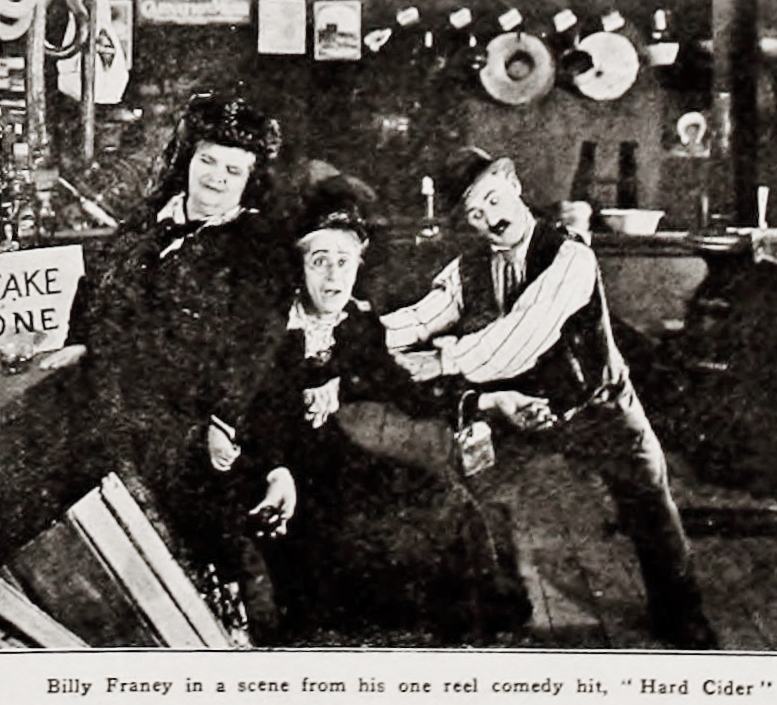
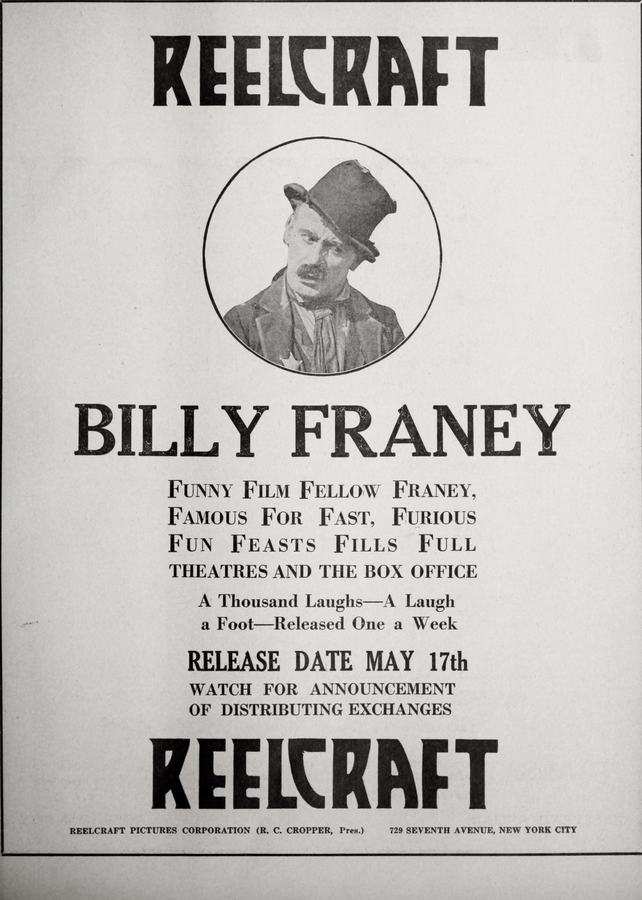
In a sun-scorched orchard where the air hangs thick with bruised apple-skin and bootleg gin, a one-eyed tramp named Finch—half-hobo, half-heretic—stumbles upon a rusted cider press that gushes not juice but memories: every golden drop replays a townsfolk’s sin in flickering micro-cinema inside the drinker’s iris. Billy Franey, all whip-crack gestures and soot-smudged innocence, incarnates Finch with the elastic物理ity of a Mack Sennett refugee who’s read too much Blake. He barters sips of this hallucinatory hard cider for buttons, bootlaces, and confessions, until the local temperance tsar—Reverend Braxton, a man whose collar is as starched as his soul—declares the orchard a moral smallpox and rallies a torch-bearing brigade of ledger-clad deacons. Meanwhile, a mute war-widow named Elsabet (her face a silent sonata of loss) sketches the orchard’s decay on butcher paper, convinced that if she can capture the exact moment a worm leaves an apple she’ll resurrect her husband from a trench in Flanders. The plot spirals like cider sediment: midnight séances inside potato cellars, a child’s coffin repurposed as a fermentation vat, a Ferris-wheel erected by a traveling carny who claims it’s Jacob’s Ladder with ticket stubs. When the final keg is broached during a thunderstorm that tastes of copper pennies, the whole town becomes a single organism—pulse, gulp, hiccup—until the screen itself seems to ferment, bubbling and blistering into over-exposed white that smells of vinegar and forgiveness.
Review Excerpt
"
The first time I watched Hard Cider I was nursing a fractured molar and a cup of burnt-coffee moonshine in a Rochester archive basement; the projector’s carbons hissed like serpents, yet the 11th-reel nitrate still smelled faintly of fermented apples—an olfactory ghost that clings to the emulsion itself. That’s the devilry of this 1916 one-reeler: it doesn’t just depict hallucination, it secretes it.
Billy Franey, often dismissed as a Sennett also-ran, moves here like a rag-doll possessed by ..."