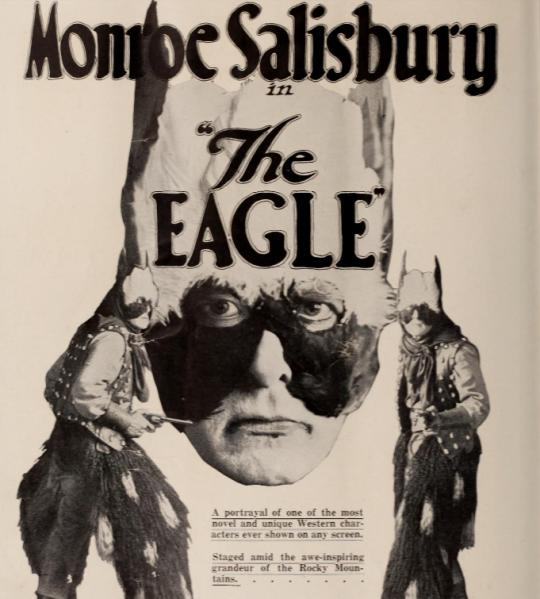
After his mother's death, John Gregory becomes the "Eagle," a thief determined to get even with the mining company that stole his family's fortune. No one suspects that he is a bandit, not even Lucy, the girl he loves, and her brother Bob.
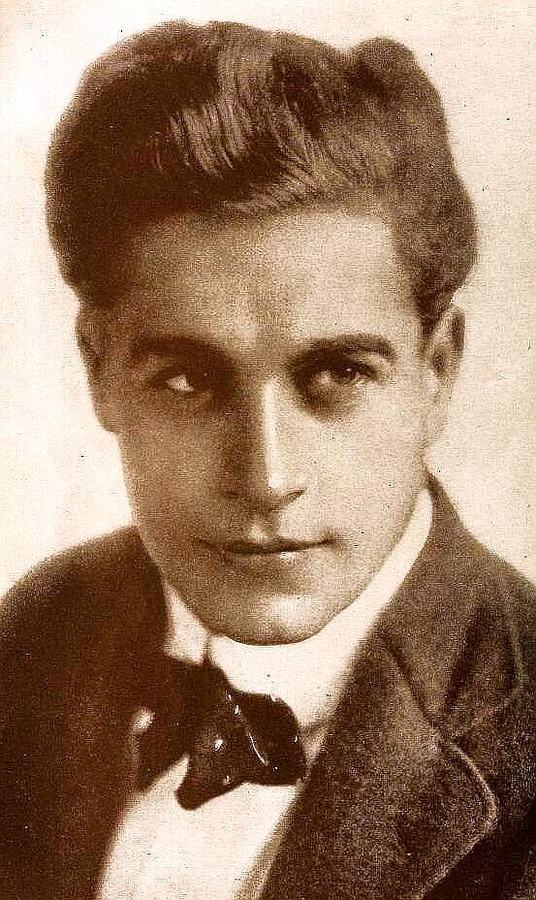
Henry Christeen Warnack, Ethel Hill, Eugene B. Lewis
United States
Shadows stretch like spilled molasses across the 35-millimeter frame that opens The Eagle, a 1915 one-reel marvel too often left to molder in climate-controlled cans. Director Reginald Barker, brandishing chiaroscuro the way renaissance masters wielded walnut ink, plants us in a frontier where morality is dynamite wra...
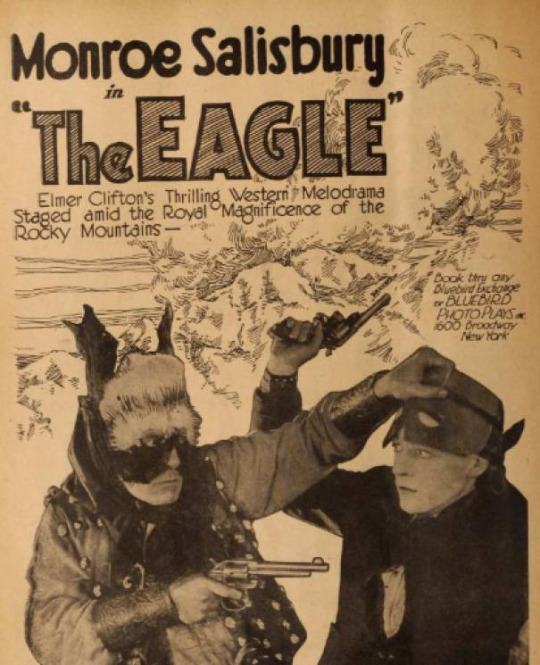
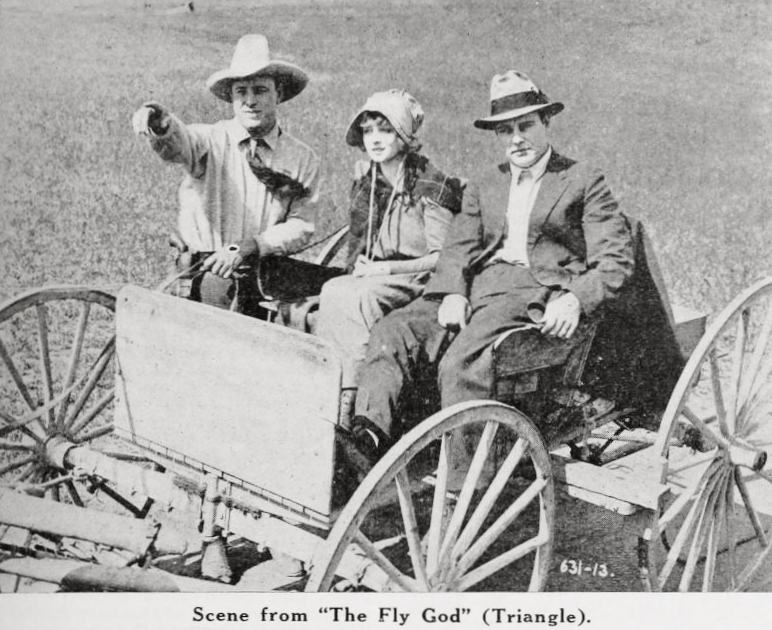
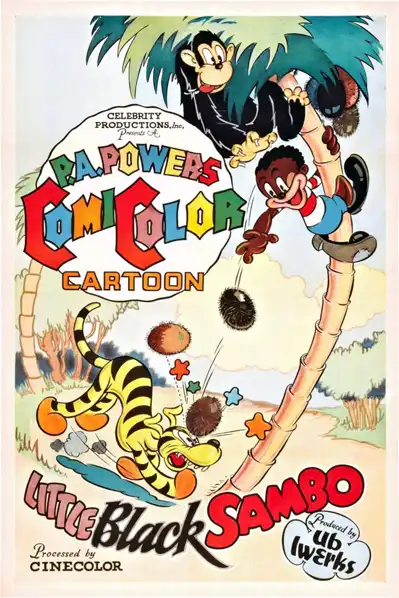
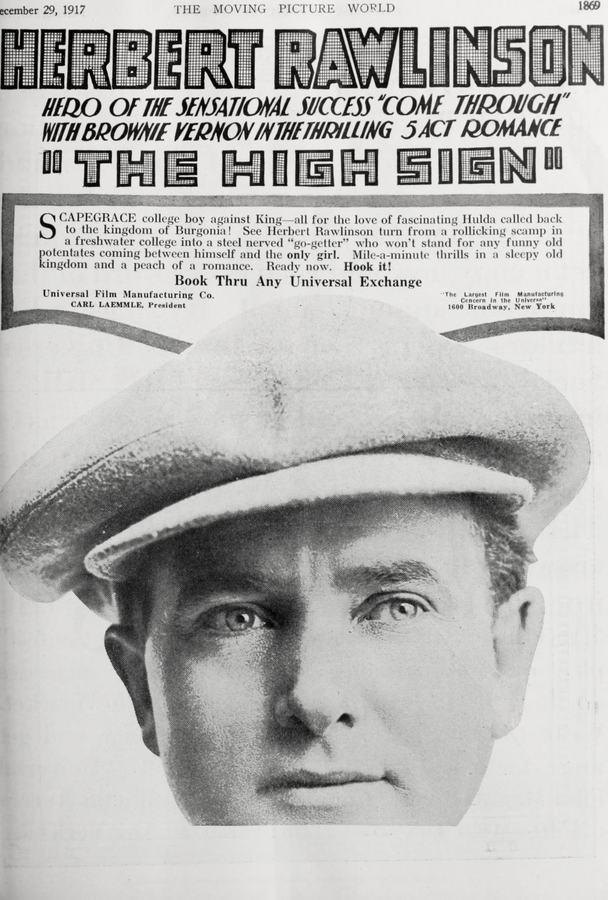
publicity
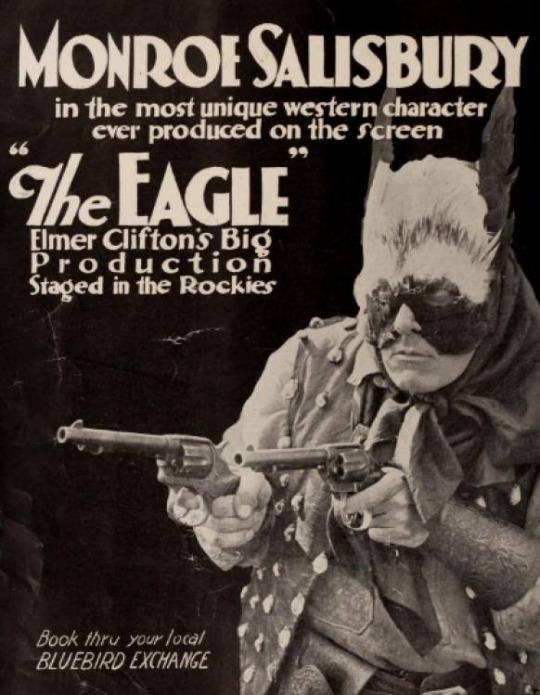
publicity
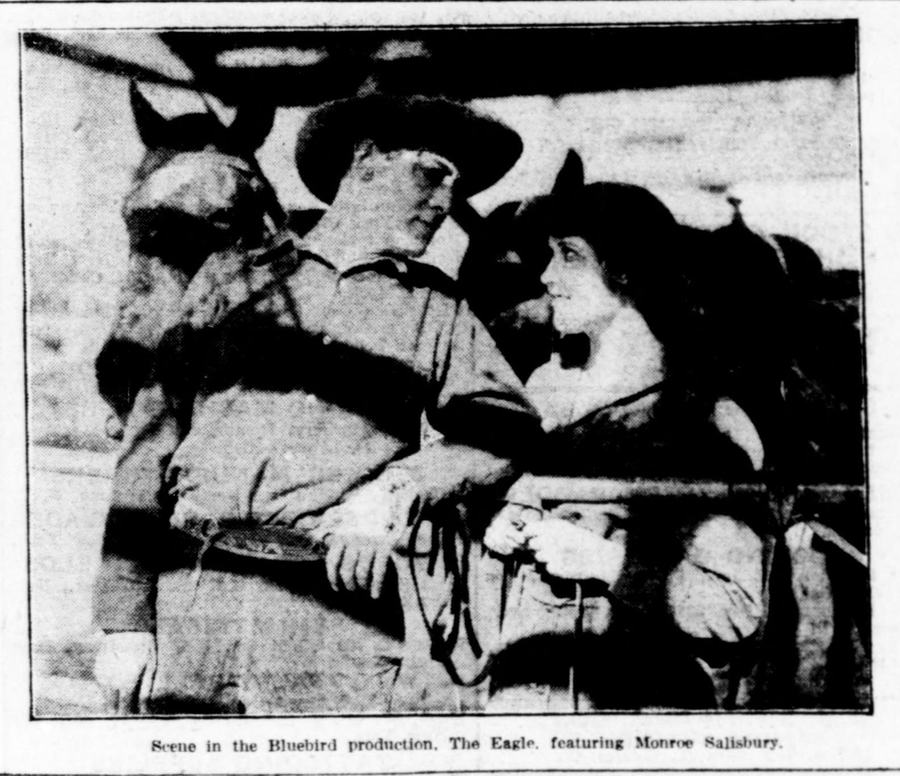
still_frame
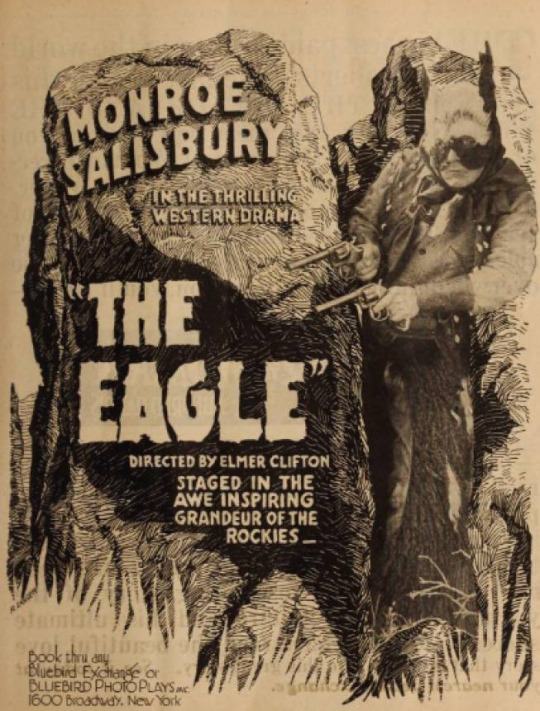
publicity
Comparing the cinematic DNA and archive impact of two defining moments in cult history.
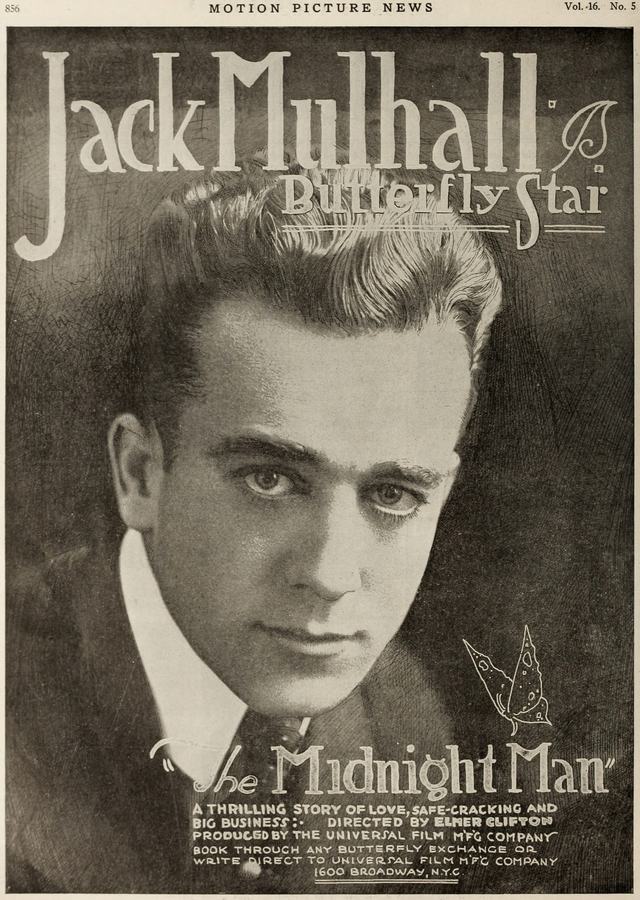
Elmer Clifton
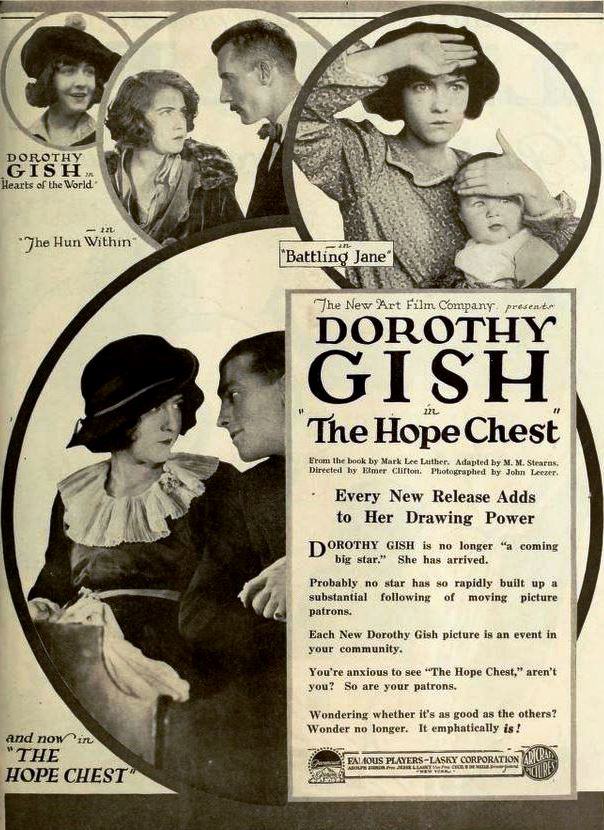
Elmer Clifton
Community
Log in to comment.
" Shadows stretch like spilled molasses across the 35-millimeter frame that opens The Eagle, a 1915 one-reel marvel too often left to molder in climate-controlled cans. Director Reginald Barker, brandishing chiaroscuro the way renaissance masters wielded walnut ink, plants us in a frontier where morality is dynamite wrapped in gunnysack—unstable, sweating, ready to flash. The film’s very title is a sleight-of-hand: we expect majesty, talons, the wide-winged justice of dime-novel iconography; what..."