
DbcultAccessing Vault...
Director's Spotlight
Senior Film Conservator
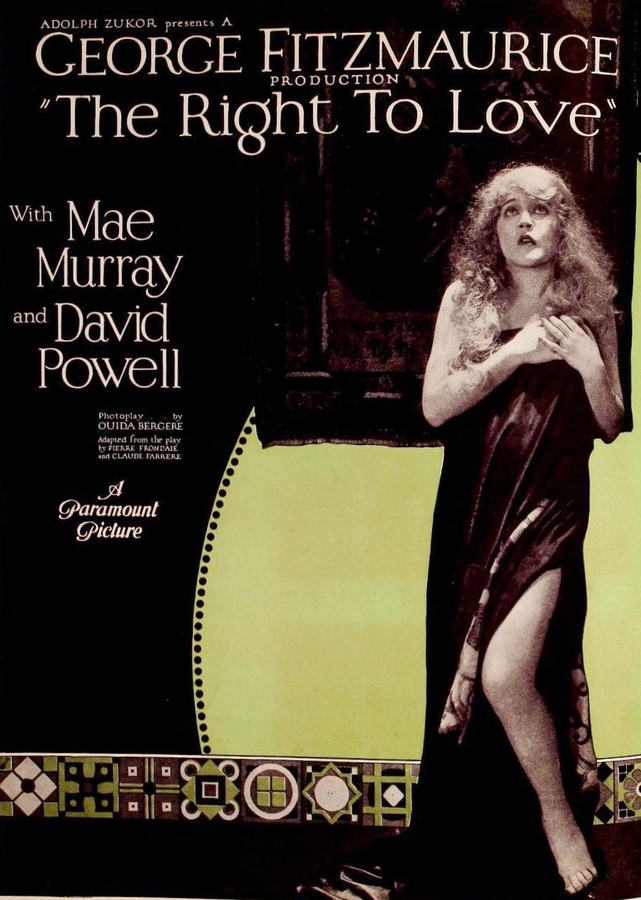
Director's Spotlight: United States
A Deep Dive into the 1920 Vision of George Fitzmaurice
When we examine the cinematic landscape of United States, The Right to Love emerges as a landmark work of the unique directorial voice that George Fitzmaurice brought to the screen. This film stands as a masterclass in visual storytelling, it demands to be seen by anyone who cares about the art of film.
In The Right to Love, George Fitzmaurice pushes the boundaries of conventional narrative. The film's unique approach to its subject matter has sparked endless debates and interpretations among cinephiles and critics alike.
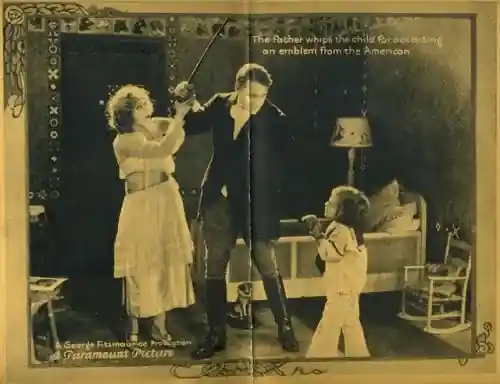
In this work, George Fitzmaurice explores the intersection of Drama and United States cultural identity. The meticulous attention to detail suggests a deep-seated commitment to pushing the boundaries of the medium, ensuring that The Right to Love remains a relevant topic of study for Drama enthusiasts.
| Cinematography | High-Contrast |
| Soundtrack | Orchestral |
| Editing | Invisible |
| Art Direction | Kitsch |
Visualizing the convergence of George Fitzmaurice's style and the core Drama narrative.
While living in Constantinople, the wife of Sir Archibald Falkland is forced to co-exist with his mistress, Lady Edith. Falkland plots to frame his wife for adultery, thereby forcing her to consent to a divorce, by placing her in a compromising situation with Prince Cerniwicz. However, an old flam of Lady Falkland's, Colonel Loring, comes to her defense.
Decades after its release, The Right to Love remains a vital piece of the cinematic puzzle. Its influence can be seen in countless modern works, solidifying George Fitzmaurice's status as a master of the craft in United States and beyond.