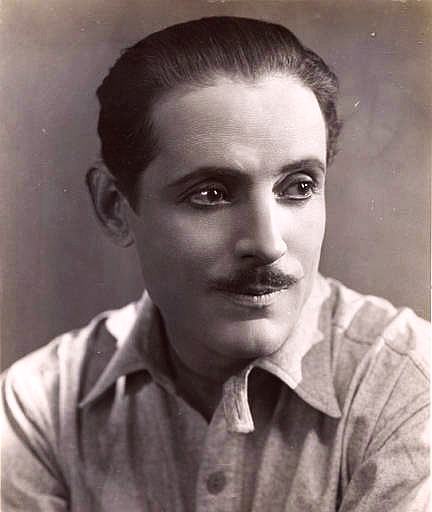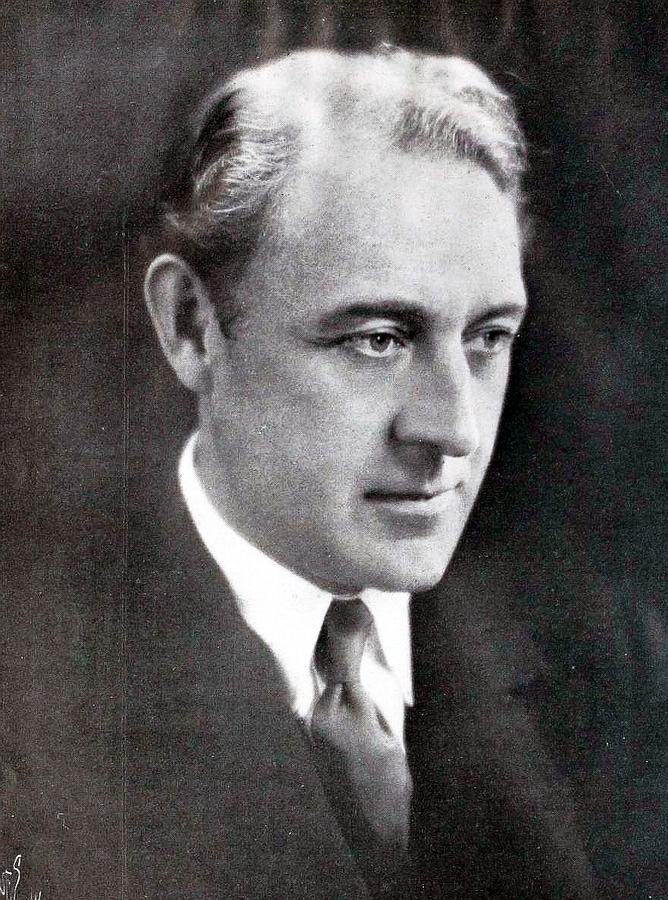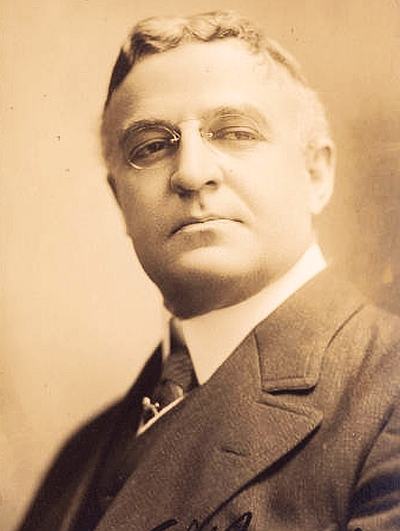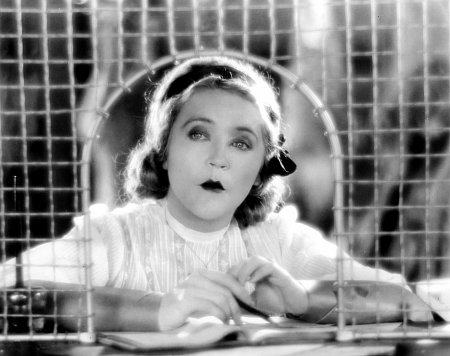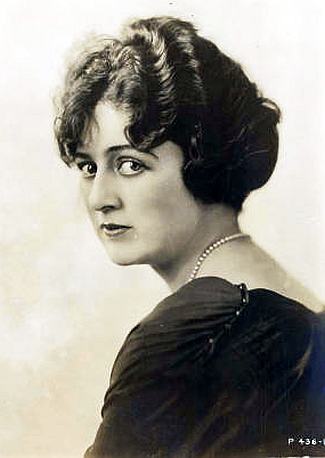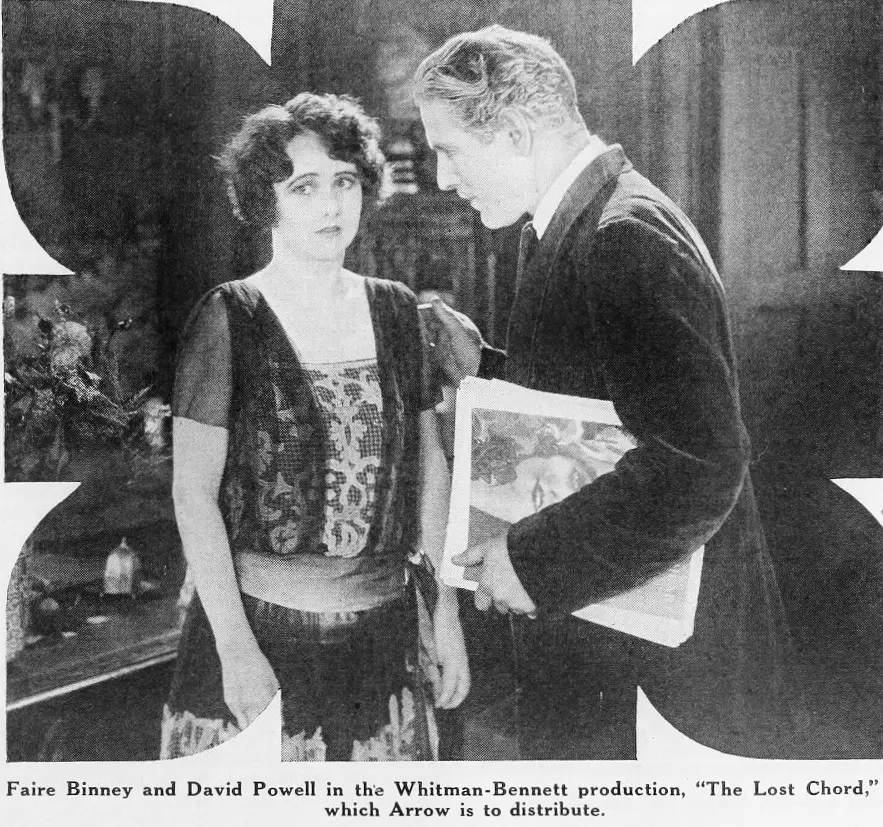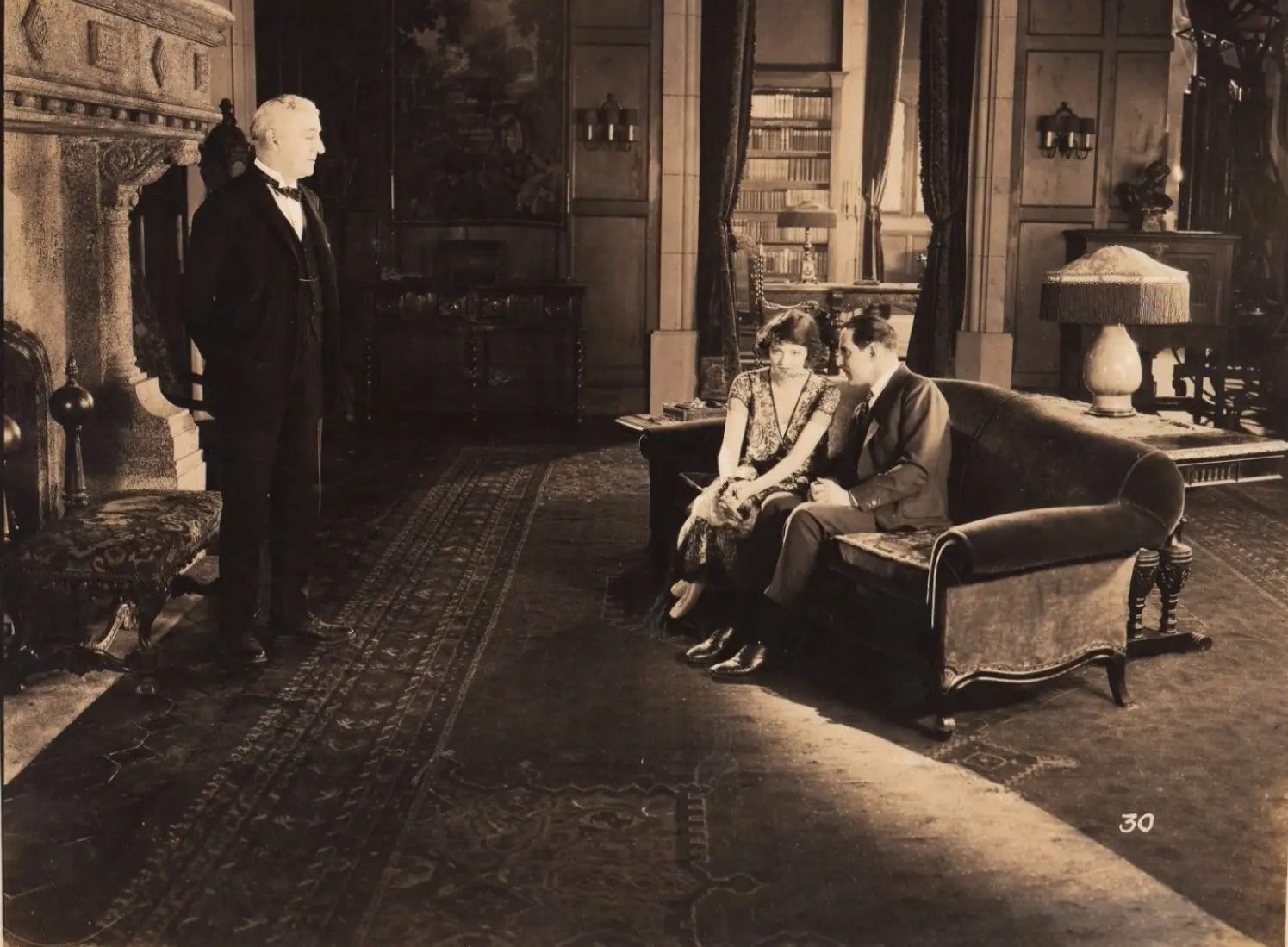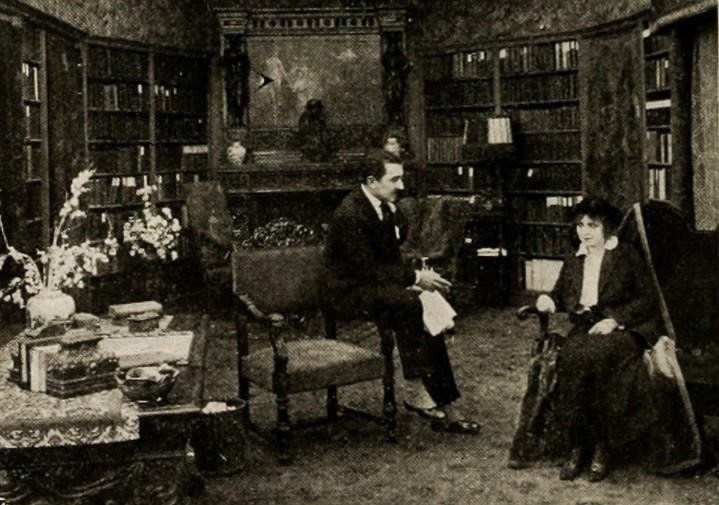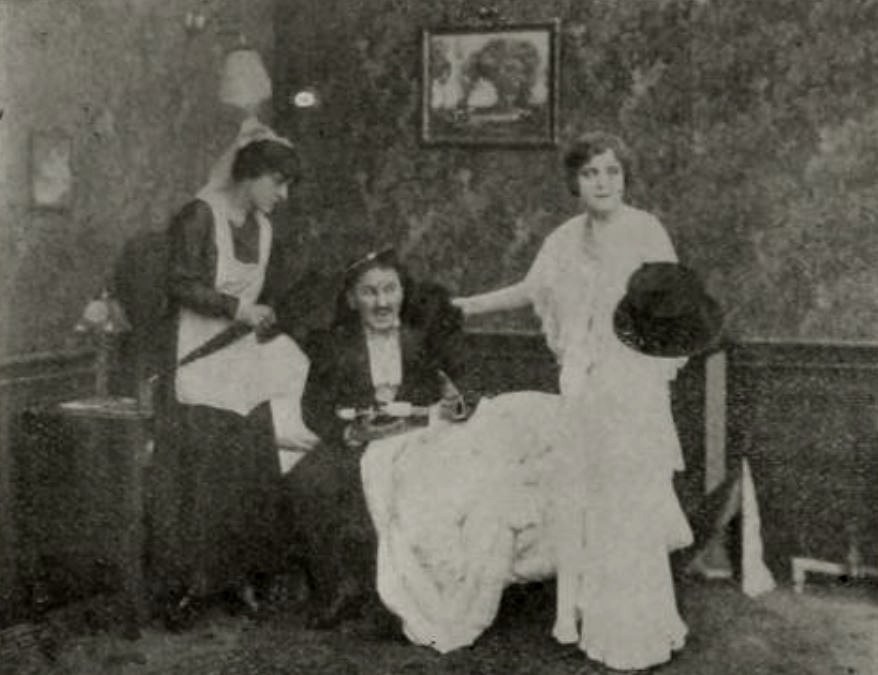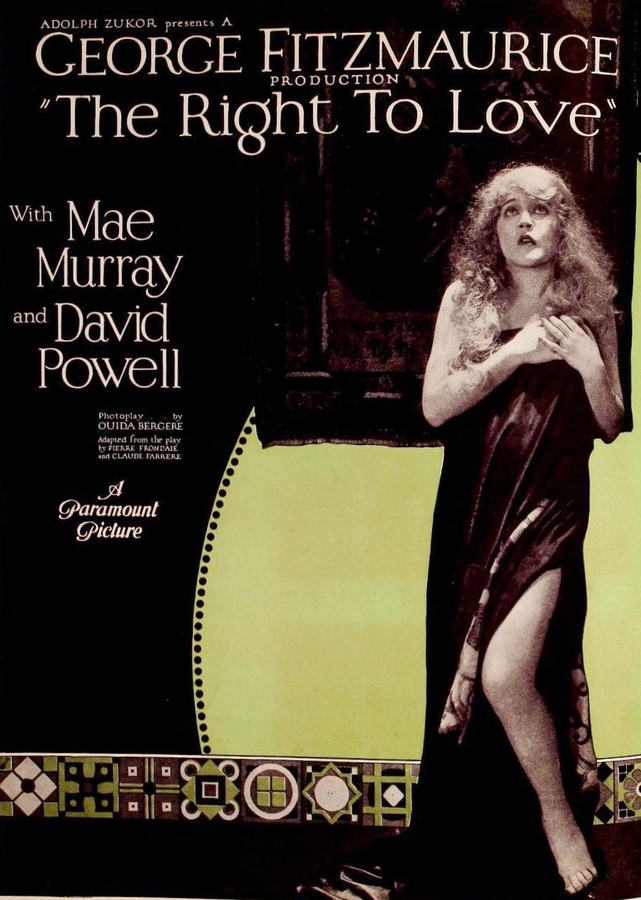
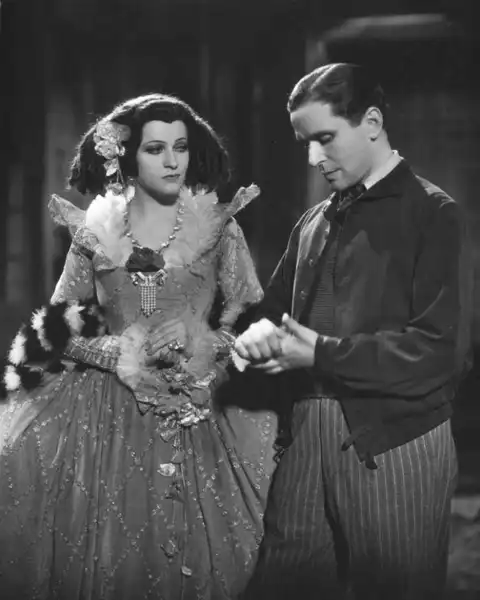
While living in Constantinople, the wife of Sir Archibald Falkland is forced to co-exist with his mistress, Lady Edith. Falkland plots to frame his wife for adultery, thereby forcing her to consent to a divorce, by placing her in a compromising situation with Prince Cerniwicz.
Picture Constantinople circa 1919: electric streetcars rattle past minarets still draped in Ottoman blackouts, champagne smuggled from Marseilles arrives in violin cases, and every embassy soirée is a chessboard where queens are traded for bishops. Into this fever dream steps The Right to Love, a picture that—despite ...
production_art
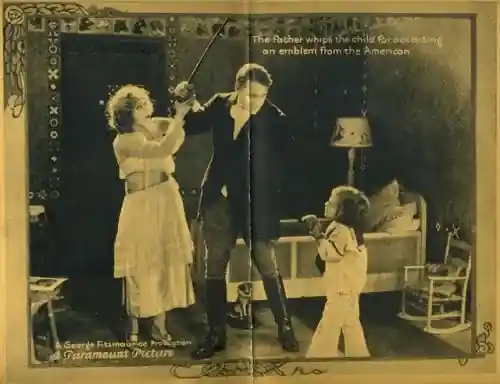
production_art

Comparing the cinematic DNA and archive impact of two defining moments in cult history.
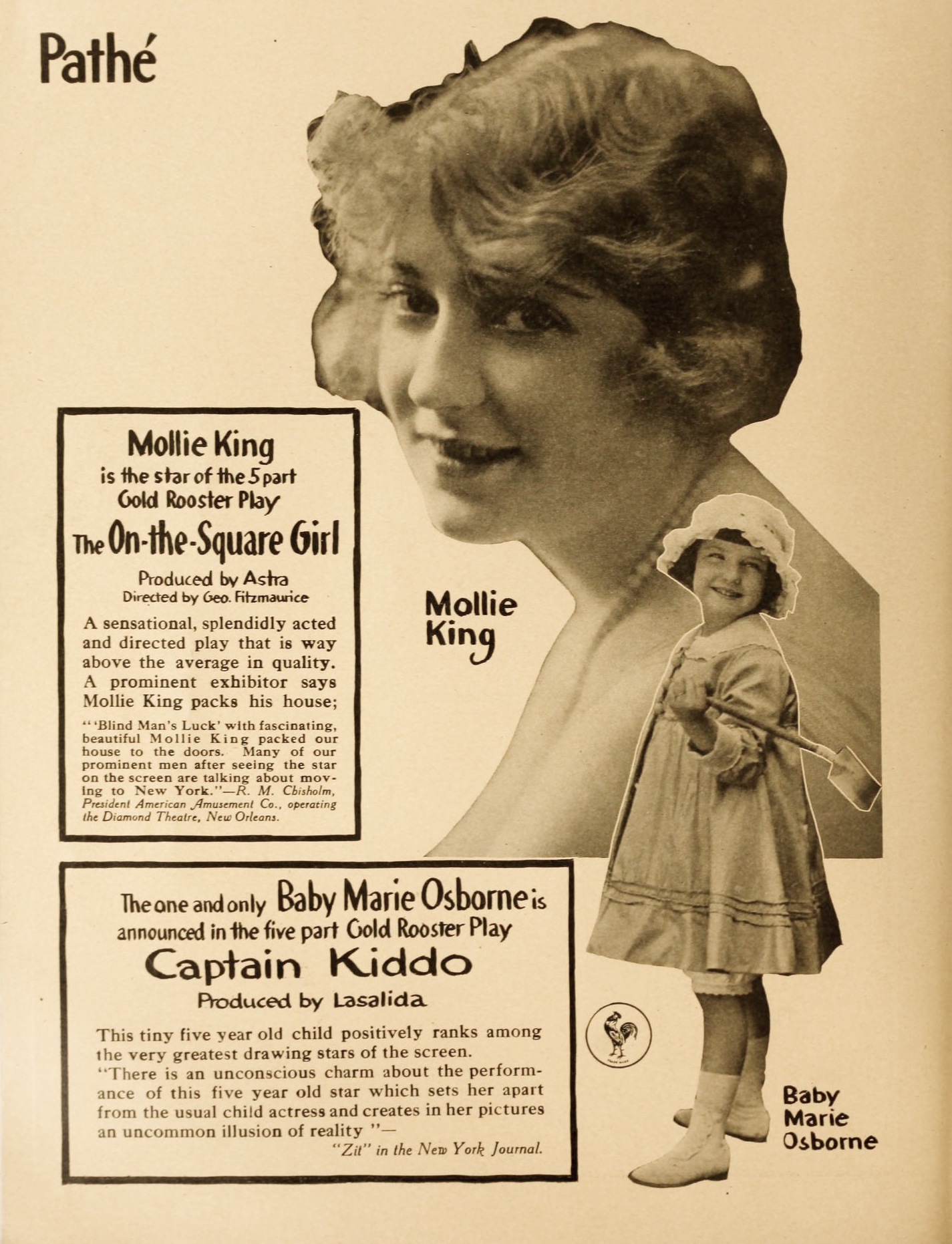
George Fitzmaurice
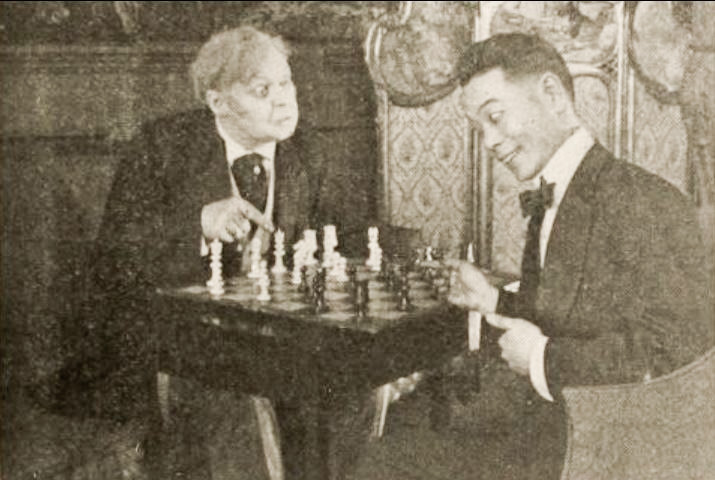
George Fitzmaurice
Community
Log in to comment.
" Picture Constantinople circa 1919: electric streetcars rattle past minarets still draped in Ottoman blackouts, champagne smuggled from Marseilles arrives in violin cases, and every embassy soirée is a chessboard where queens are traded for bishops. Into this fever dream steps The Right to Love, a picture that—despite its deceptively polite title—unfurls like damp silk to expose the raw flesh of marital capitalism. Forgotten for decades, the film survives only in a 35 mm nitrate print at Gosfilm..."
Macey Harlam
Claude Farrère, Pierre Frondaie, Ouida Bergère
United States
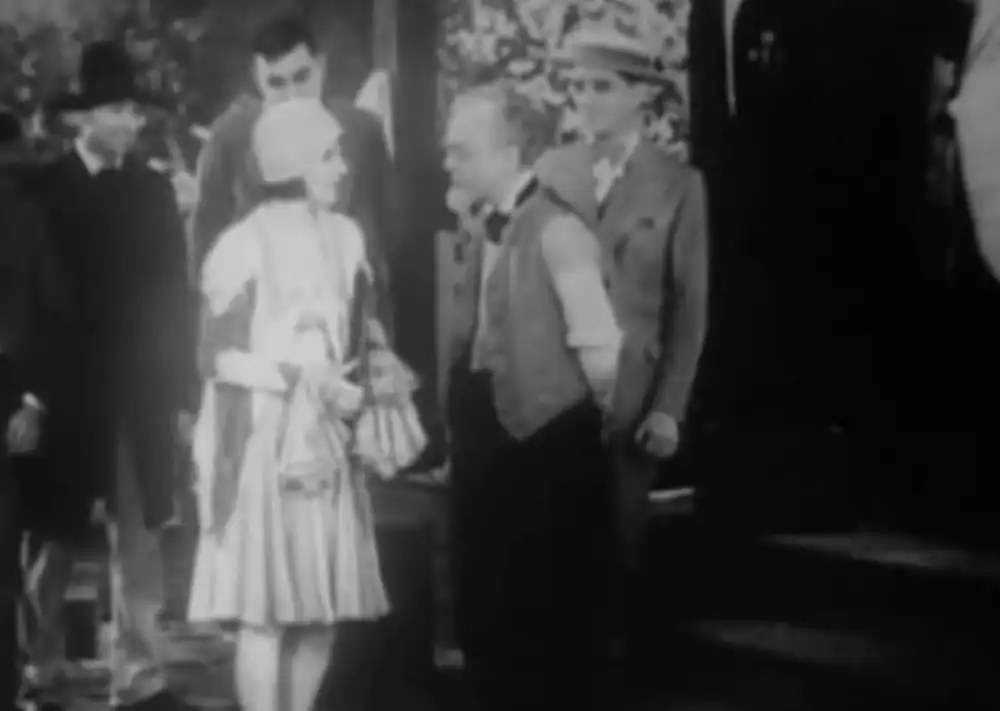
Deep dive into the cult classic
Discover similar cinematic experiences
A Directorial Spotlight on George Fitzmaurice